Author: Bhuvnesh

  • Dead Trees

    Dead Trees

    We are taught to look away when something dies. Nature does not.

    When something dies, we often assume that it has lost its meaning and relevance. That is what death is supposed to be about. Nature, however, sees things differently.

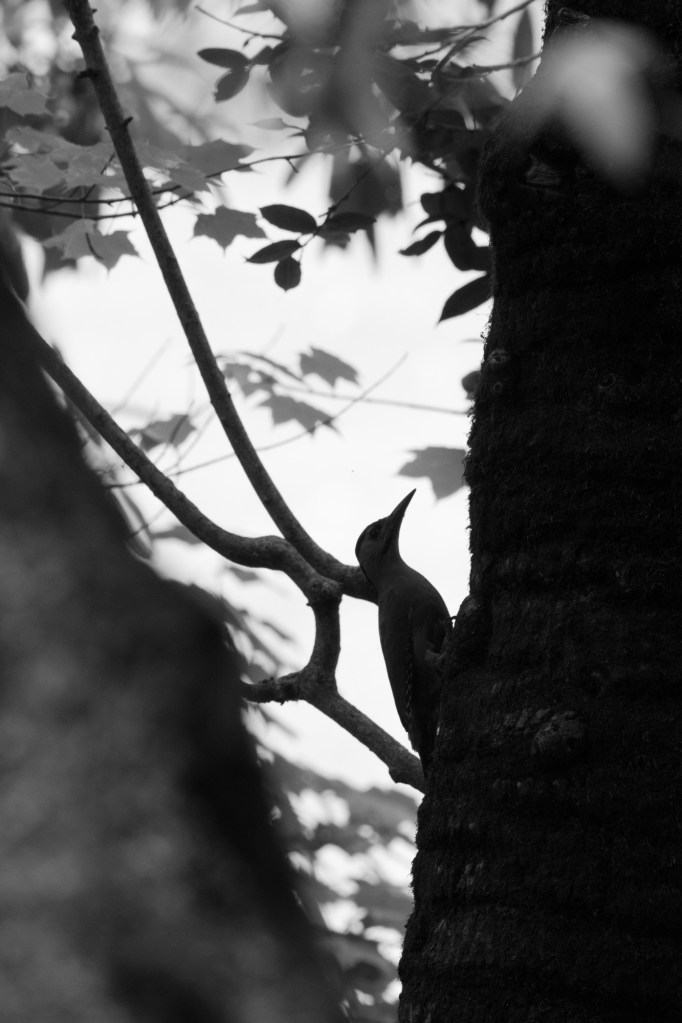
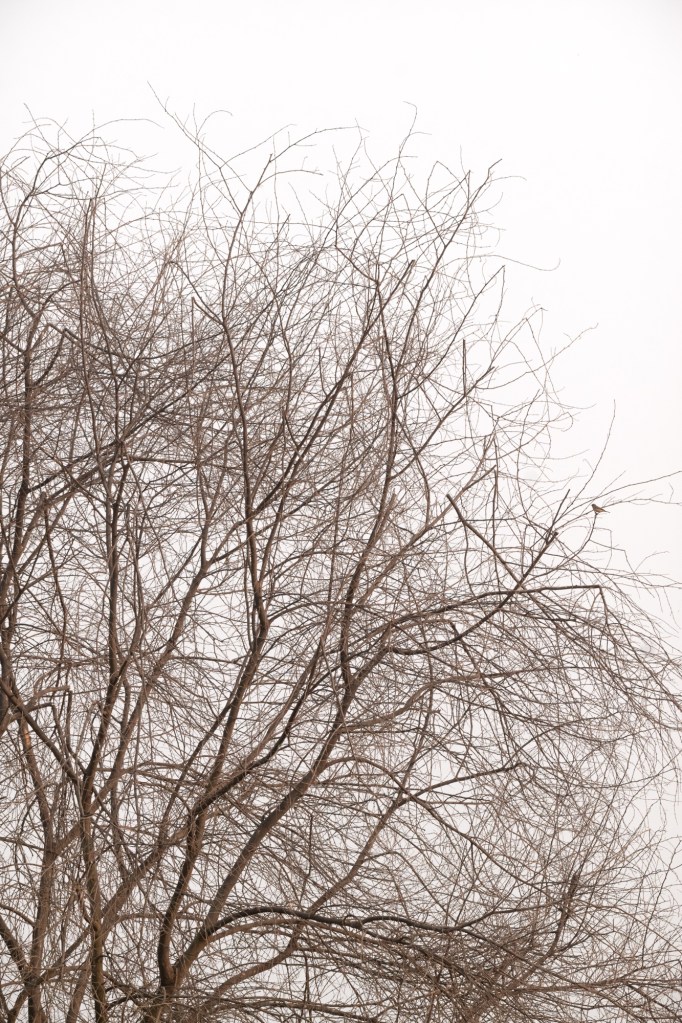
    Walking through the Bharatpur wetlands, one can notice stretches of grassland surrounding the water. Among the green trees, dead ones stood apart in silent contrast. They once sustained life; now they wait calmly seemingly devoid of it, until a bird comes and settles on their bare branches.

    A warbler, sharing a moment with the tree, before darting off in search of insects

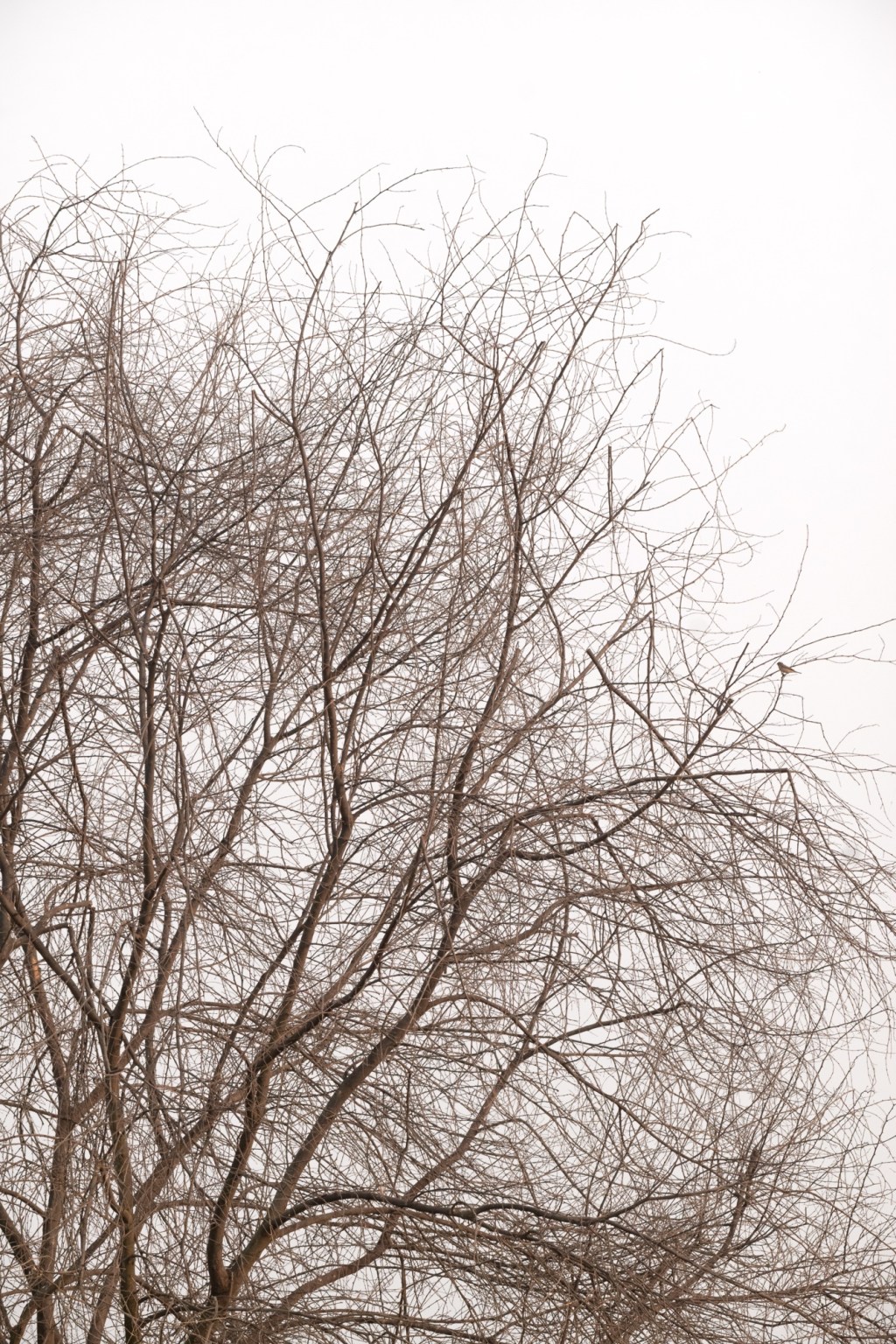
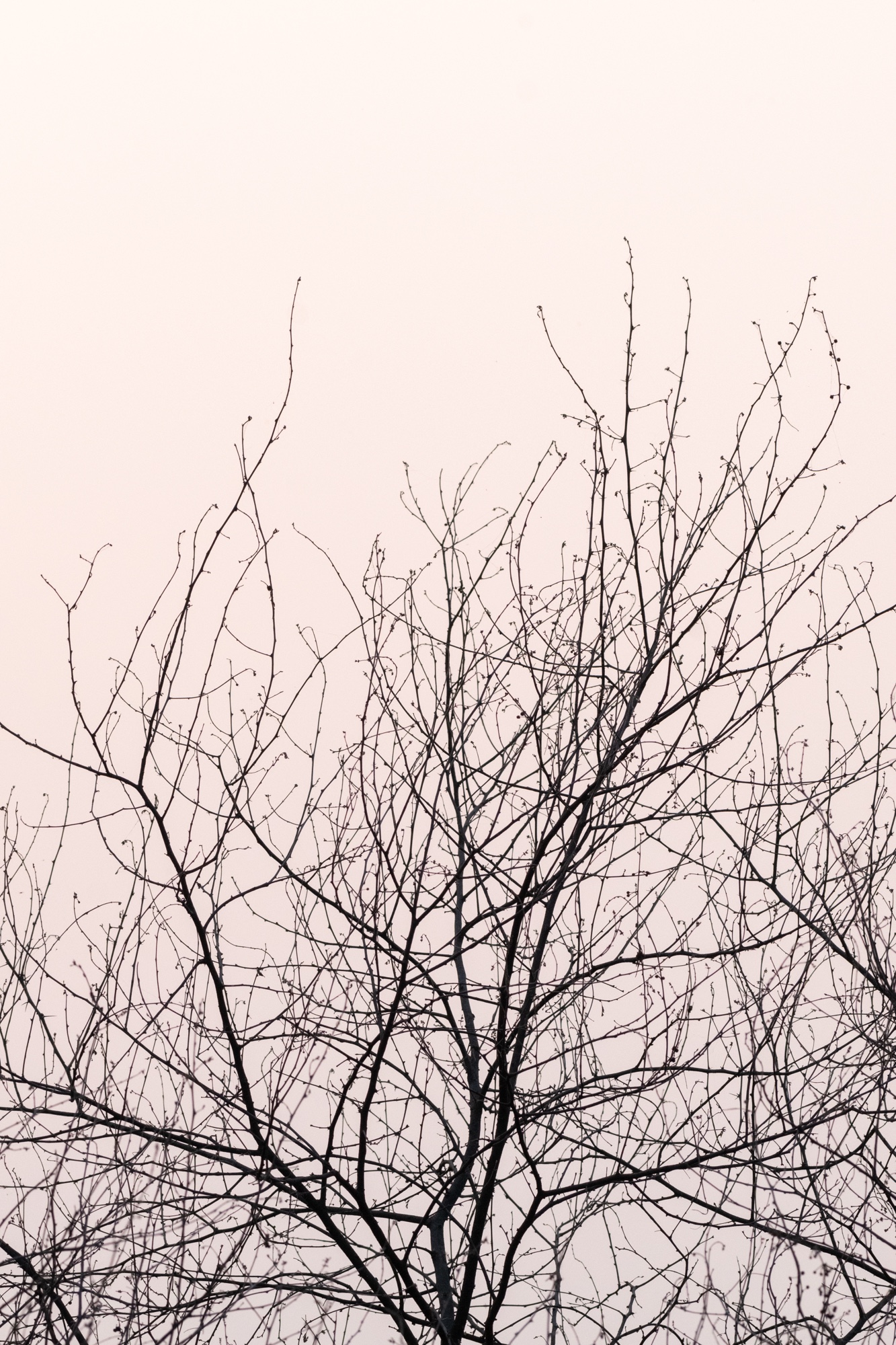
    Dead trees possess a unique kind  of beauty. Their large branches rise upward, shaped by years of reaching for sunlight, while smaller secondary branches spread outward, once holding dense foliage for photosynthesis.What remains now is a bare mesh of branches exposed to the sky.

    Yet, if we look more closely, these trees have a purpose beyond aesthetics. Nature continues to keep them standing alongside the green ones.

    Supporting Life Even in Death

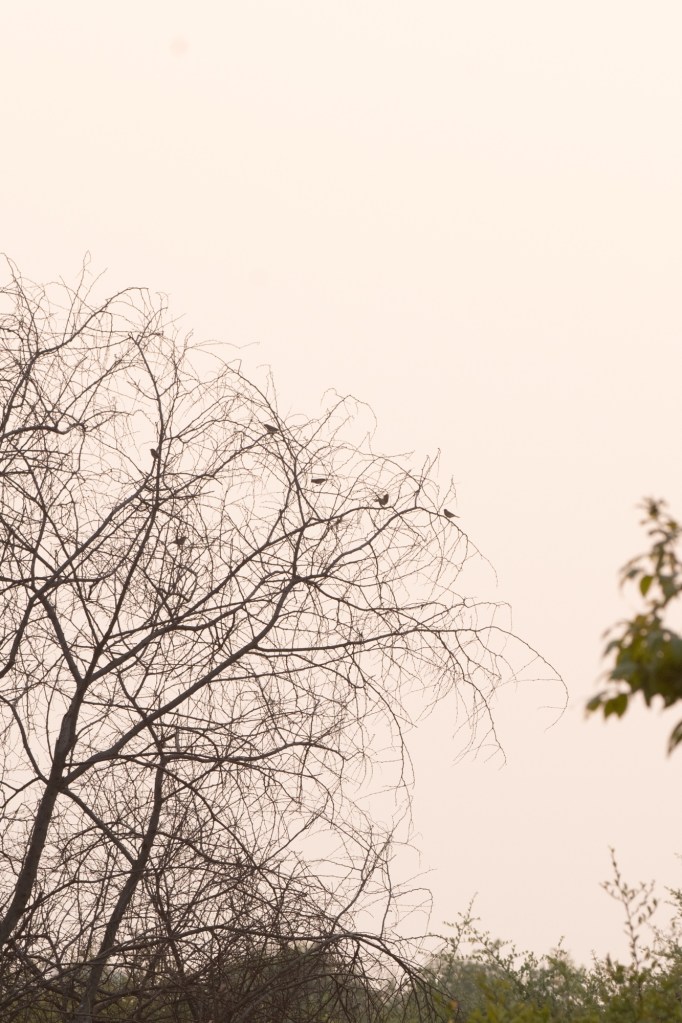
    Small birds, find dead trees as good perching sites. During dawn or dusk, birds arrive to rest and play on these branches. The tree provide them protection through itโ€™s branches, gives them clear visibility, and a comfortable resting place.

    The birds, in turn, do not leave the tree empty, and fill it with their plays and their songs. As if they donโ€™t see death of tree as sorrow, but as a continuation of life.

    Different Birds, Different Uses

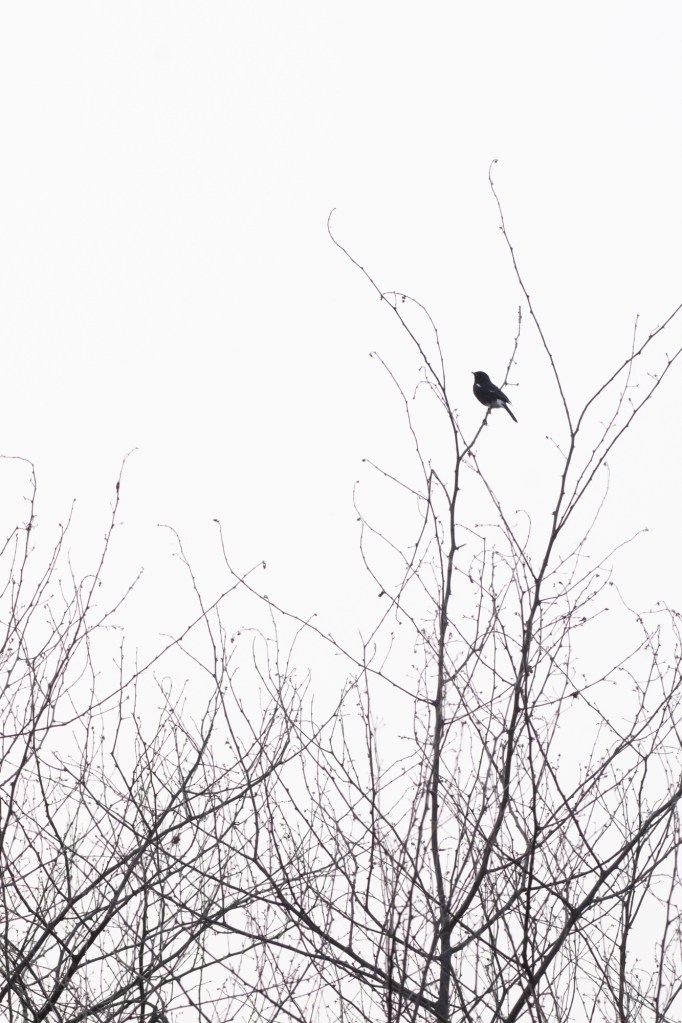
    Some birds, particularly insect-eaters like robins, use dead trees as perching sites, as they provide good visibility, for the bird to fly and catch insects mid air.

    A robin scanning for insects before launching into flight.

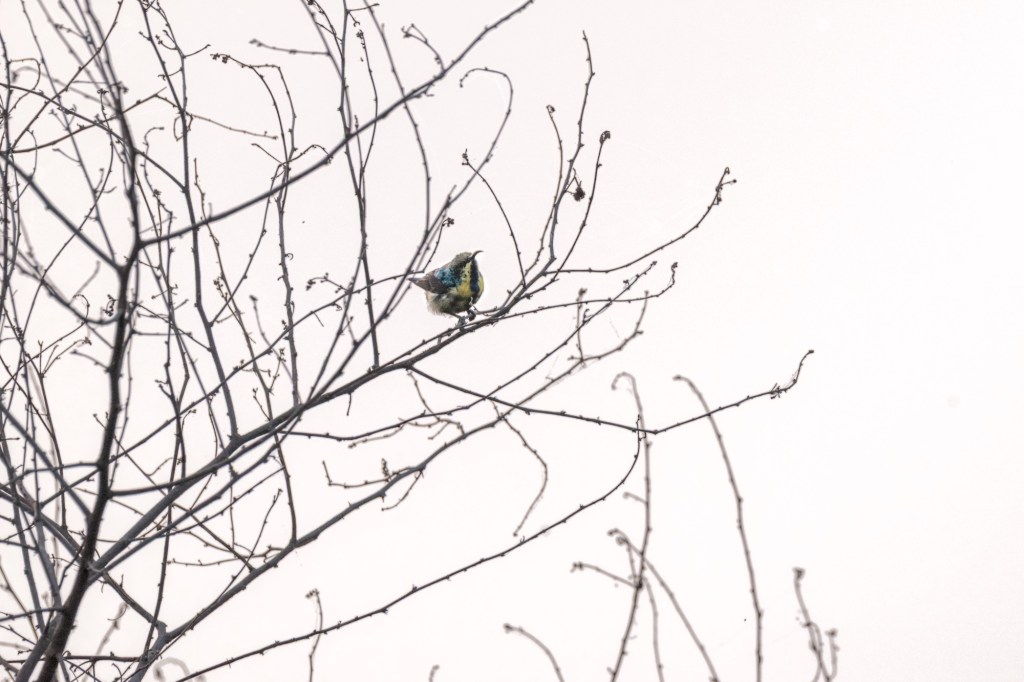
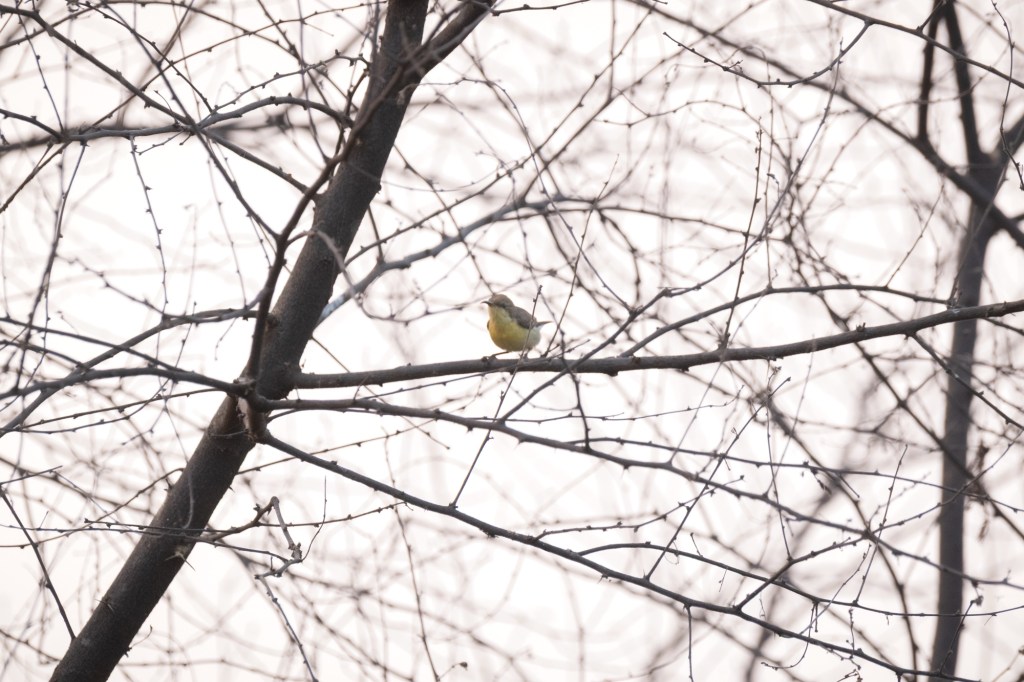
    While the others, like Sunbirds, use to pause and perch briefly, while they scan for next flowering plants to hop on.

    Purple Sunbird (male) in non breeding plumage

    Sunbirds are active nectar feeders, constantly on the move and rarely sit still. Dead trees provide them with a place to pause and rest briefly before moving on to the next cluster of flowers.

    Purple Sunbird (female) โ€” the mesh of branches also offers safety.

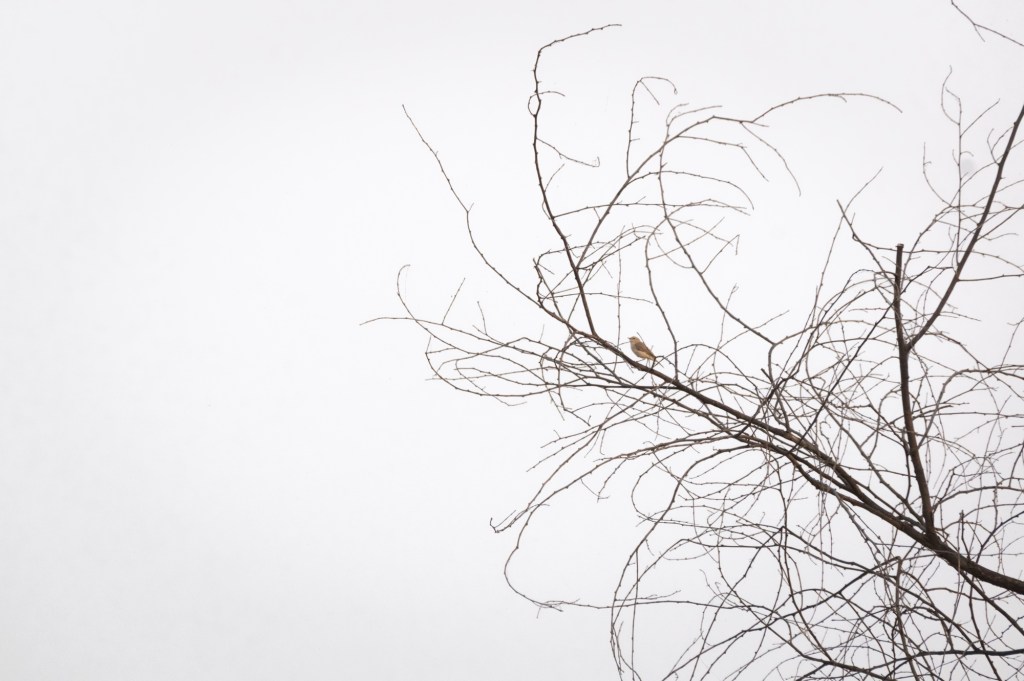
    Warblers, on the other hand, often use the lower branches of dead trees to move back into nearby bushes, where they forage for insects

    The large bushes can be disorienting, and here the dead tree acts as a reference point, helping the bird reorient itself.

    Sykes Warbler- a winter migrant to Bharatpur

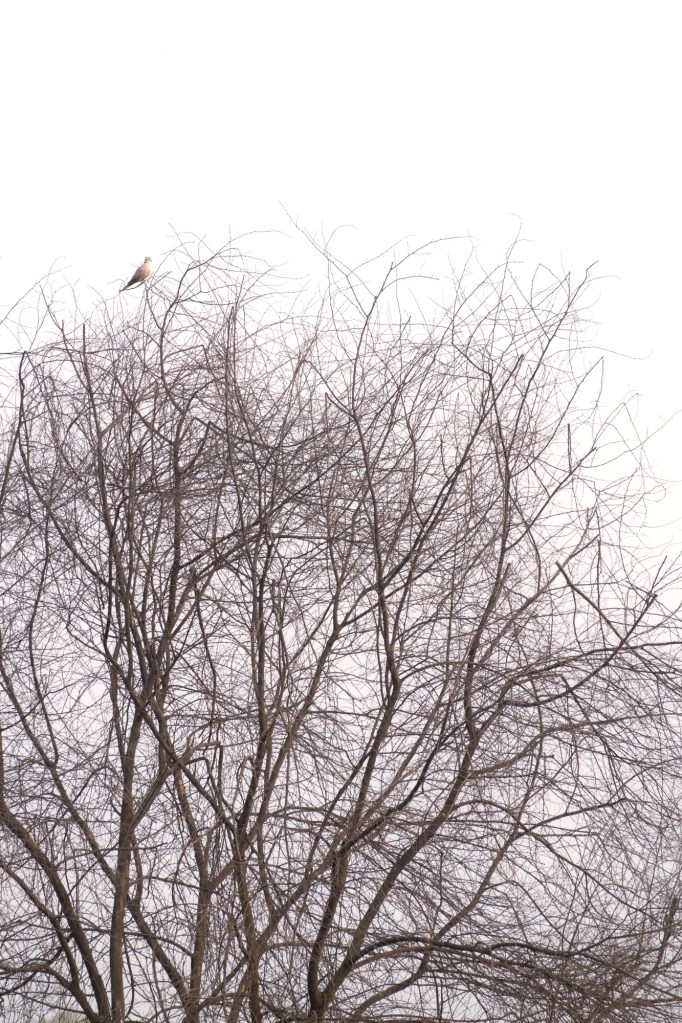
    Doves are cautious birds, alert to threats from both land and sky. They prefer perching on dead trees because the height offers a clear view and an easy escape.

    Height gives the dove a clear option to flee.

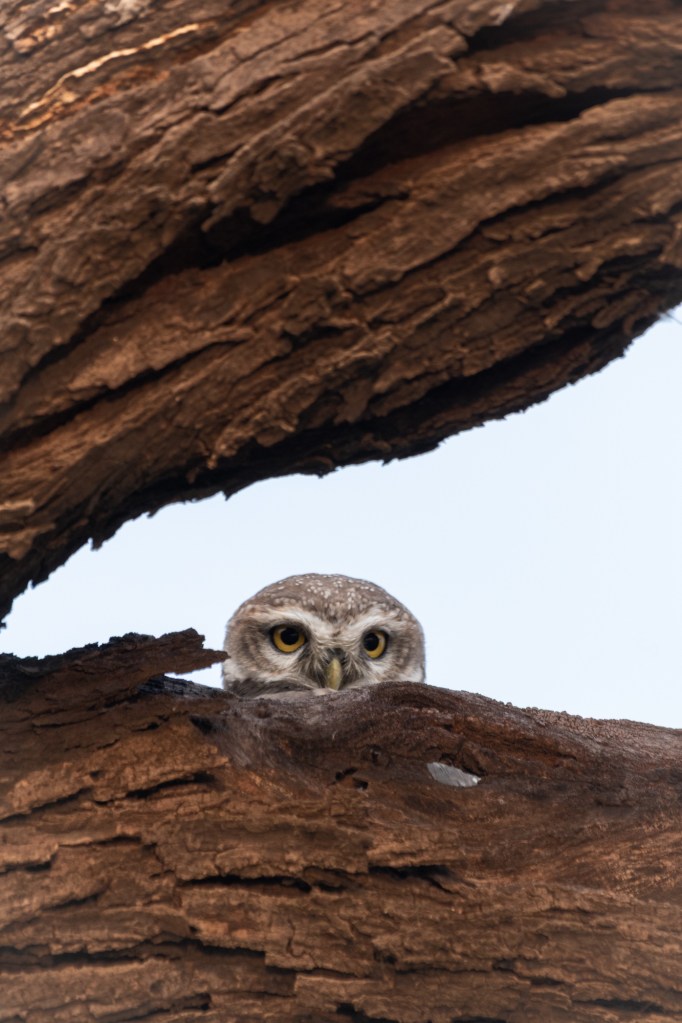
    For some birds, dead trees are not just perches but homes. As with this owlet.

    Spotted Owlet peeking from its hiding place

    Dead trees provide natural hollows for the owlets to hide and rest during day time, as they are nocturnal hunters. Only to emerge at night, listening silently for the rodents and insects. Then also, they prefer perching on dead trees, for less obstruction and silent flights.

    A Human Perspective

    As humans, we often remove things that appear useless, rarely thinking about the role they may still play. Saying dead trees should remain because birds need them is a sound ecological argument.

    But it also raises a deeper question: how do we define irrelevance?

    In nature, everythingโ€”dead or aliveโ€”has a place. We tend to value things by their usefulness, and when we cannot see that use, we stop noticing them.Yet these overlooked things continue to exist and hold value in nature. When we say dead trees seem unimportant, what we really mean is that we do not yet know how to appreciate them.

    Perhaps irrelevance is not a quality of things themselves, but a limitation of our own understanding โ€”and a good place to begin is by seeing them the way birds do: open-minded and unjudging.

    Birds play around dead trees, as if celebrating life even after death

  • A Storkโ€™s Journey Through Time

    A Storkโ€™s Journey Through Time

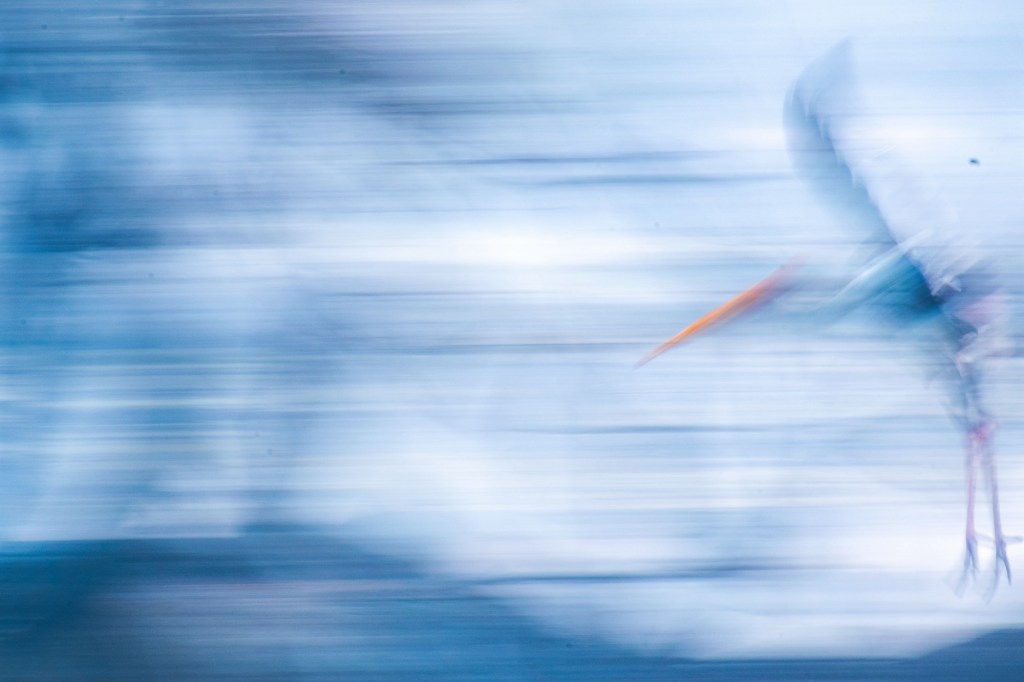
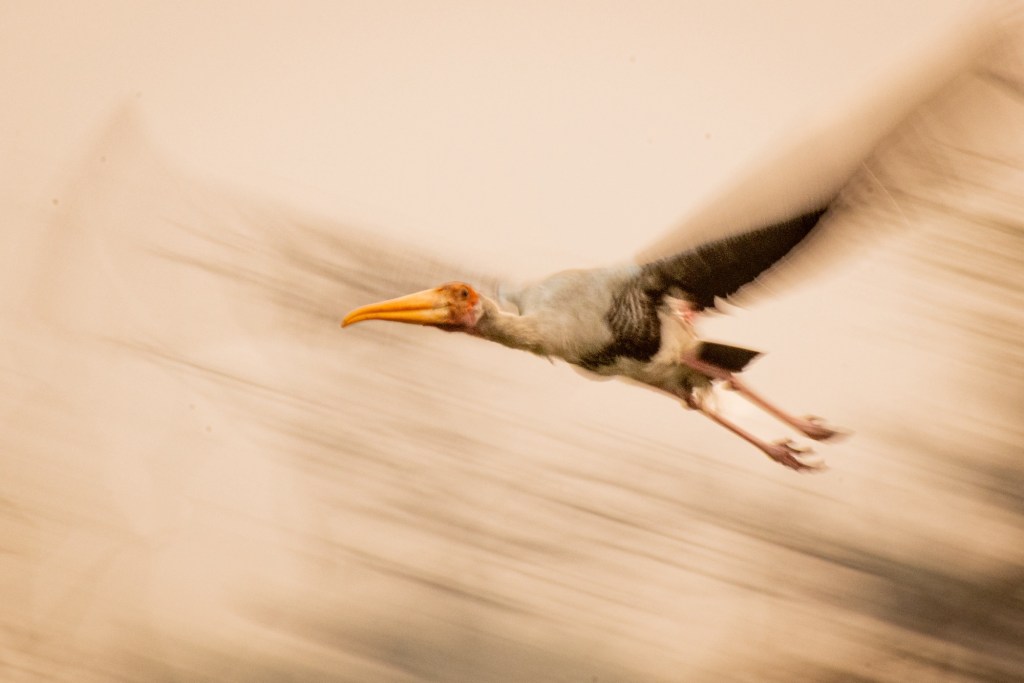
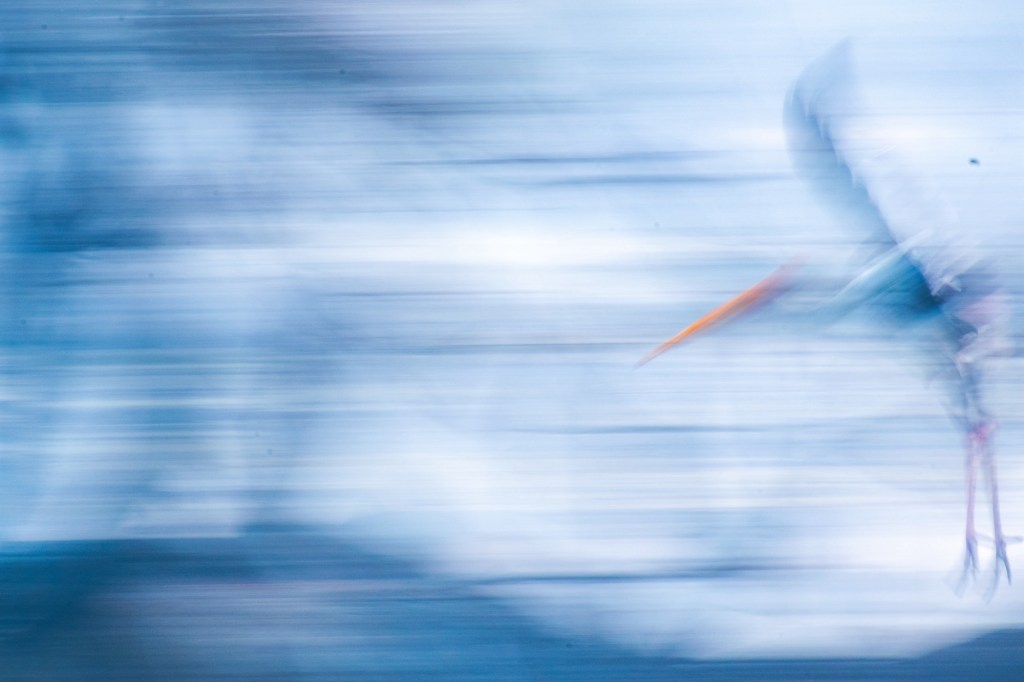
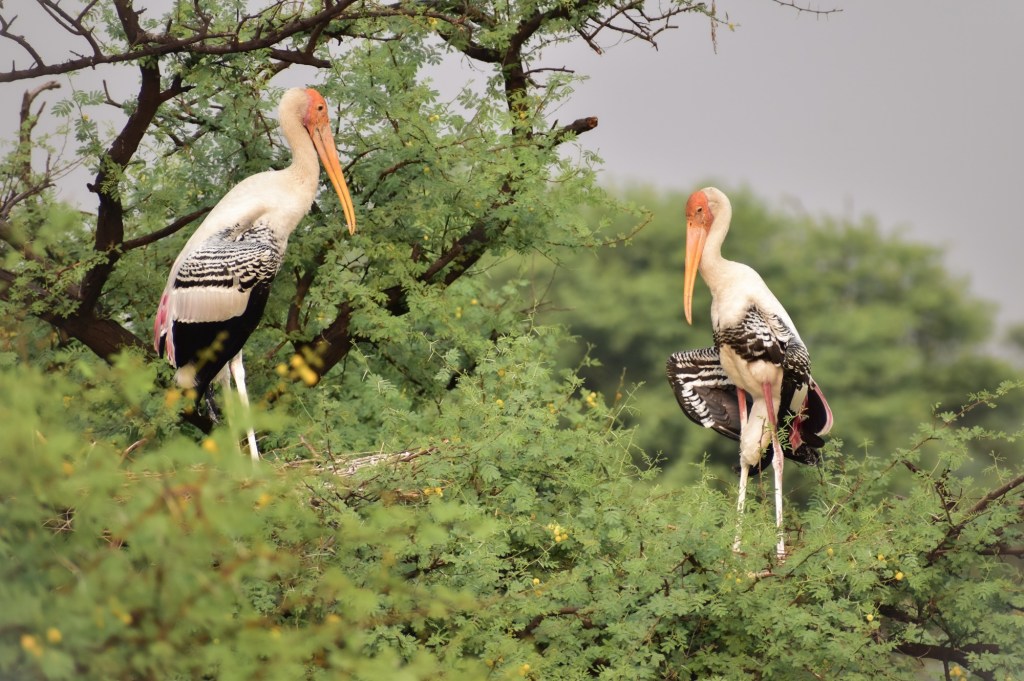
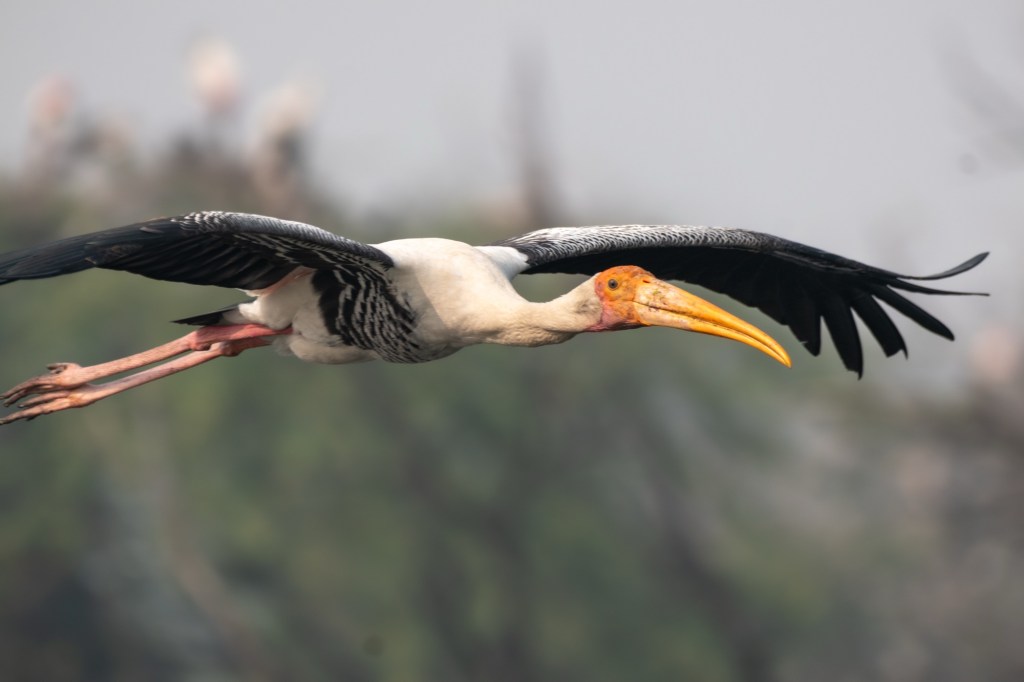
    Painted storks are human sized, colourful storks. They are among the first species to catch your eyes, if you happen to visit a wetland. These photos take a deep dive into their live below the surface

    Flying Strong

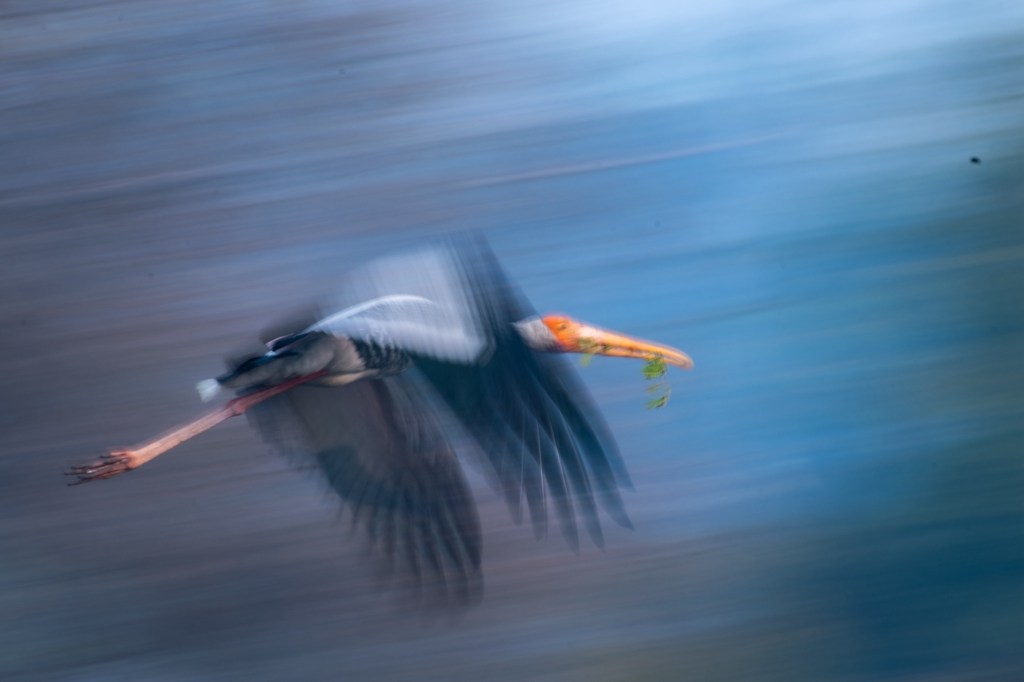
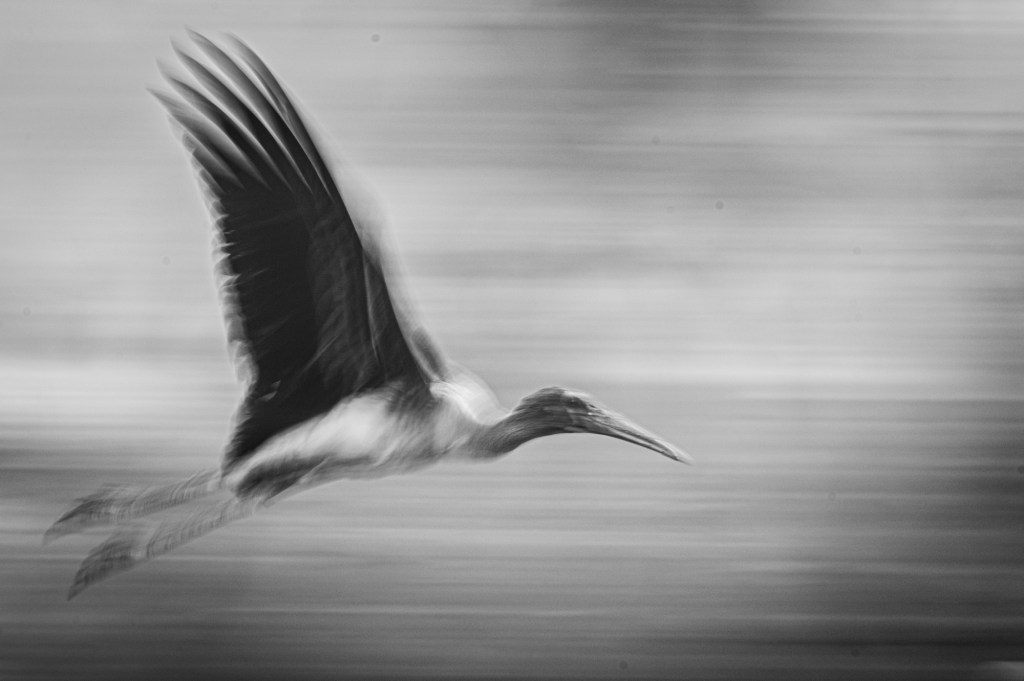
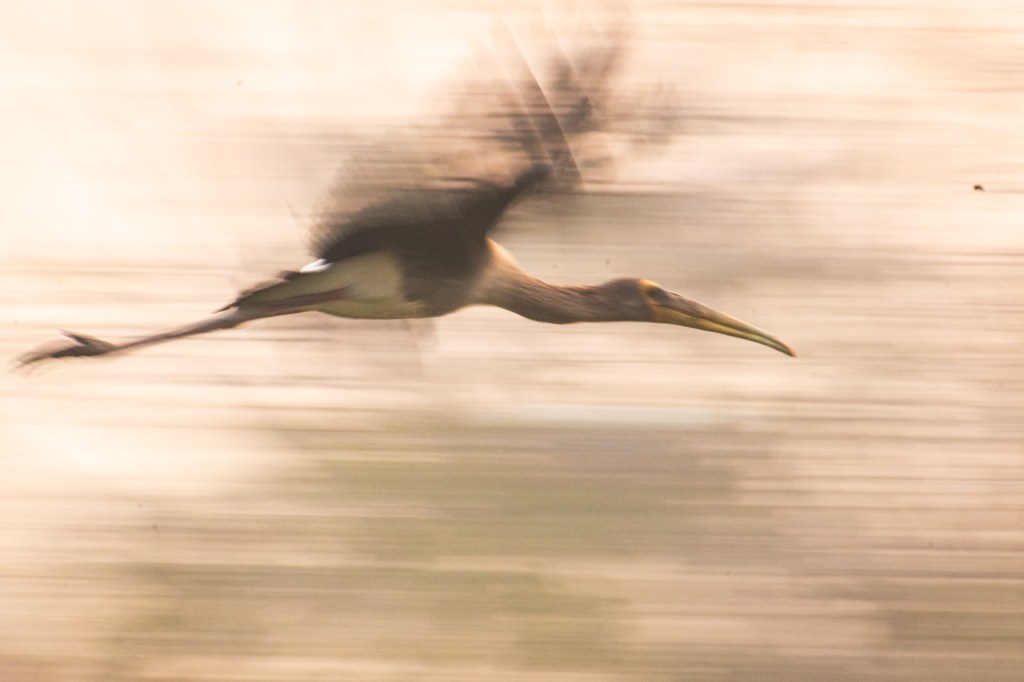
    The storks have to make a lot of flights in a day, foraging , scouting wetlands and returning back to feed their growing chicks. The chicks are born blind and rely on parents to feed them food. Their ever growing hunger keep both the parents on toes to find them food. The storks, have adopted biparenting roles to meet these demands.

    The Landing Challenge

    Once the bird has dived from its tall nesting tree and picked up speed through flapping and short glides, it must slow down to perch safely without breaking the delicate branch beneath. Along with strong wings to support their heavy bodies, this moment demands precise timing โ€” the bird must drop its legs and tilt its body upright to create drag and brake quickly. Itโ€™s a skill they master while growing up, after many attempts, corrections, and small errors.

    Parental Duty

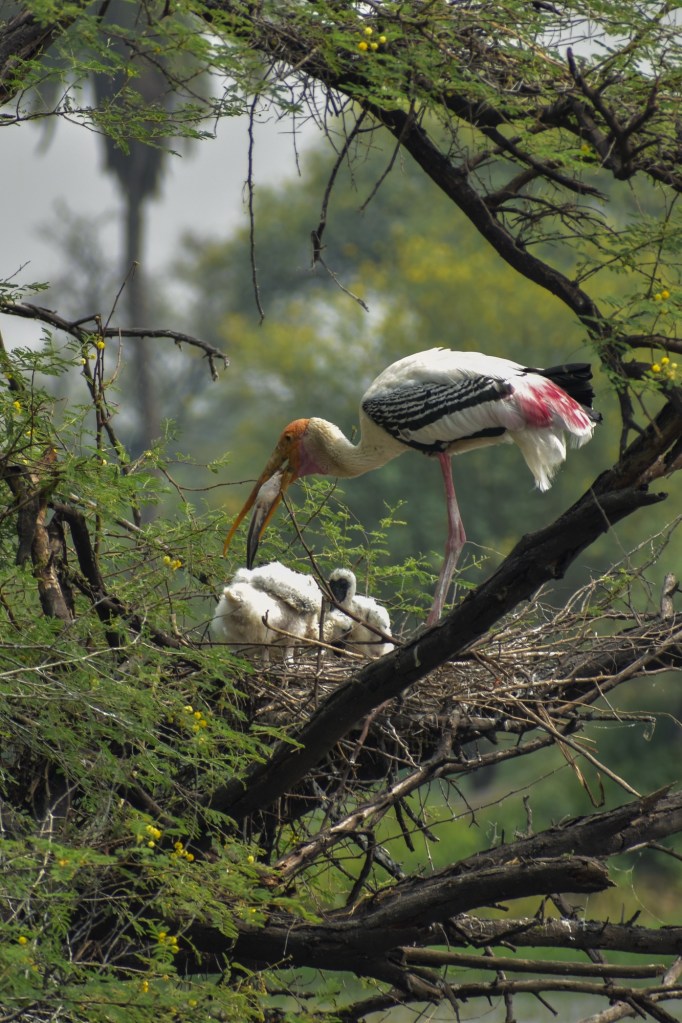
    Surprising as it may sound, the stork makes many to-and-fro flights to bring fresh branches and strengthen the nest โ€” often just as frequently, or even more, than it brings fish. It must do this to prevent chicks from falling, a risk that is almost always fatal. Fallen chicks cannot climb back, and parents rarely feed them on the ground, leaving them weak and vulnerable to predators.

    Juvenile Learning to Fly

    Flying is an important skill a juvenile must learn before it can leave its parentsโ€™ nest. As chicks grow into juveniles, their wings become strong enough for small jumps between branches, but true independence begins with their first real flights. They take this step in faith โ€” jumping, flapping, and making short, shaky circles around the nest. Juveniles often drop their legs long before landing, a natural part of learning as they adjust to wind, height, and distance. With each attempt, they gain steadiness and confidence, slowly preparing for the day they finally leave the nest

    Steadier in Flight

    As the juveniles become steadier in flight, they promote themselves to a new found juvenile colony on nearby trees, away from their parent nests.Their faces carry a new sense of independence, and their calls for the adults become less frequent. The next challenge is learning to fish โ€” a skill for which they still depend on their parents. Adult storks hunt by sweeping their open bill through shallow water and snapping it shut the moment a fish touches it, a technique that demands patience and quick reflexes. Juveniles, meanwhile, miss far more fish than they catch, slowly improving with each attempt.

    Gentle Arrival

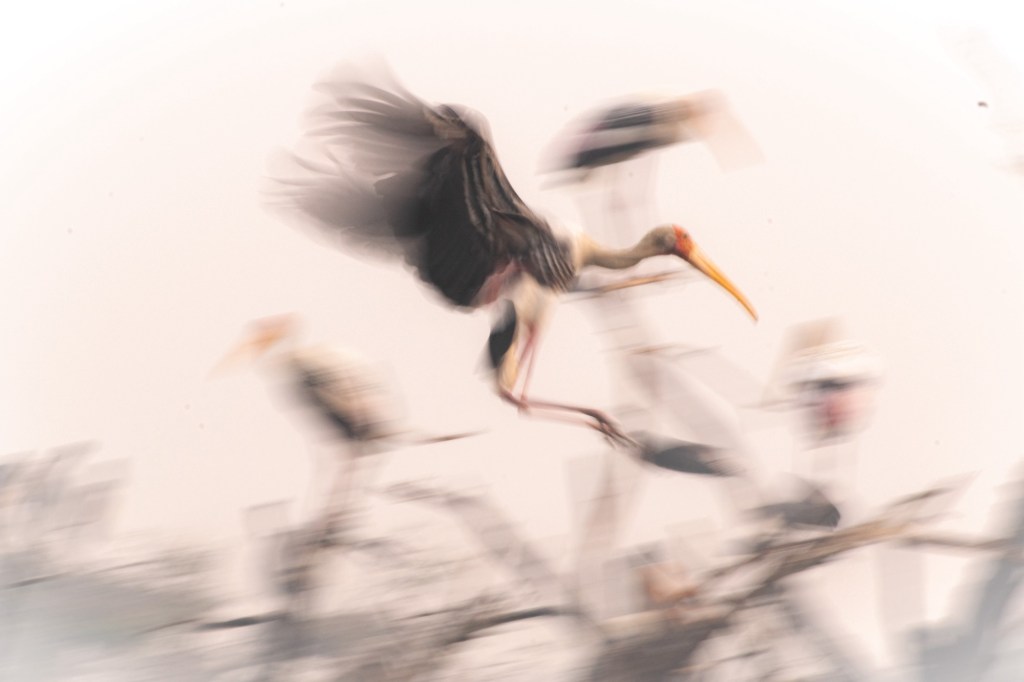
    A stork descends onto a tree in its nesting colony, wings beating in soft blur. Around it, other storks form a gentle, panned backdrop โ€” a glimpse of the communal life that young storks will eventually become part of. These colonies, especially during the winter breeding season, provide safety from predators, guidance in foraging, and a sense of belonging. Once breeding concludes, storks disperse to a more nomadic life during summer when wetlands shrink, only to return to their โ€œbreeding citiesโ€ in the following winter.

    The unlikely resemblance of the live of storks to us, makes us wonder whether we are so different? Or, just like storks our lives also revolve around parentage, growth and finding home in the cities !

    Gallery

  • The Ghosts of Wetland

    The Ghosts of Wetland

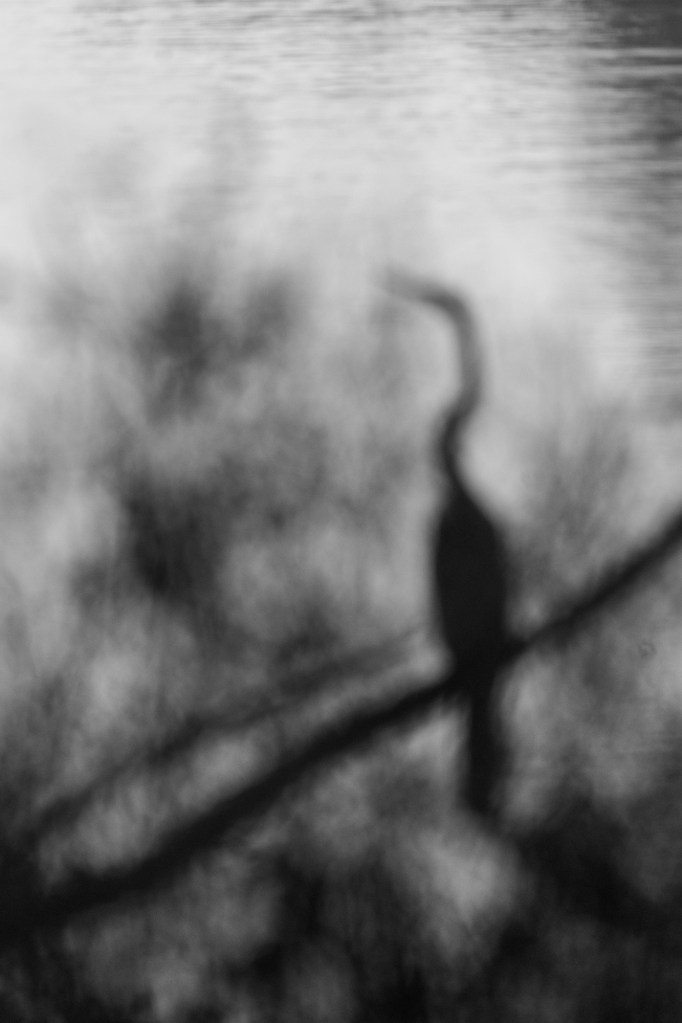
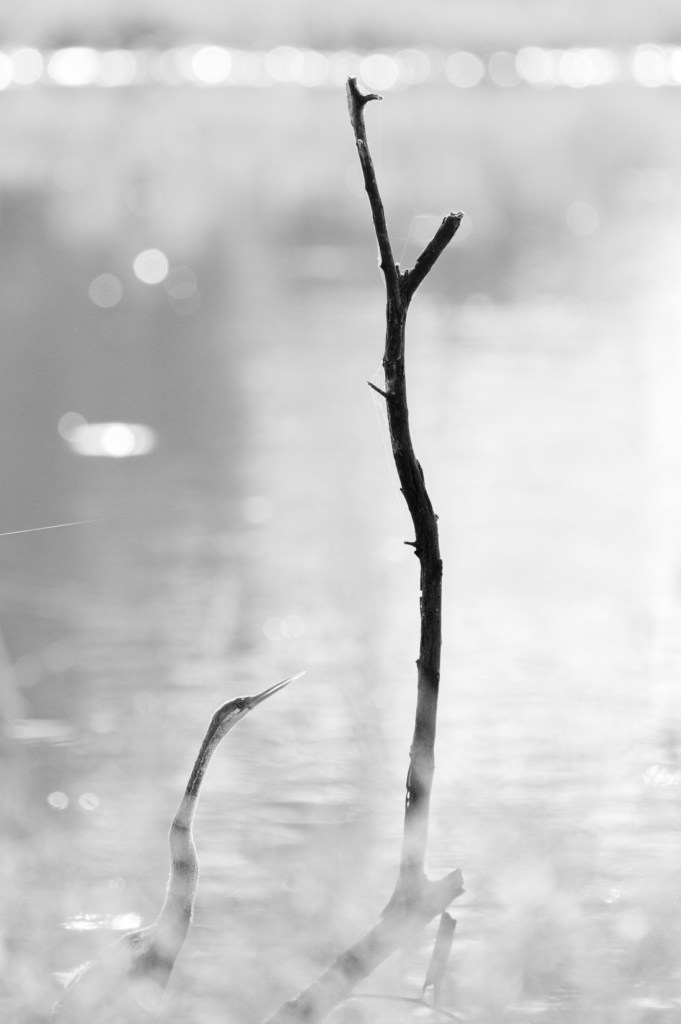
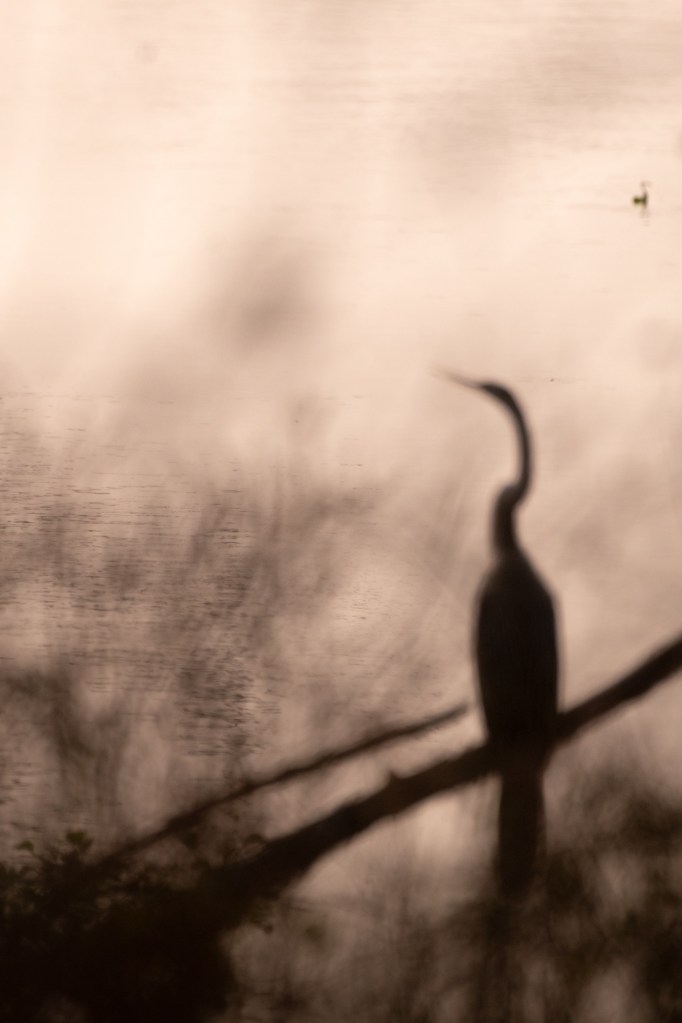
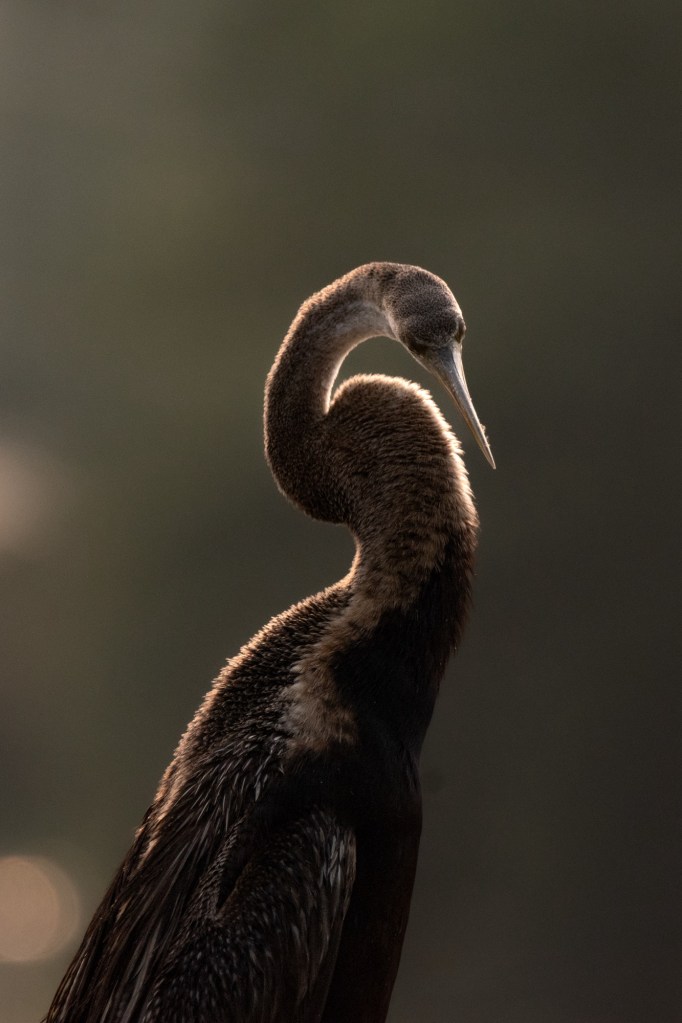
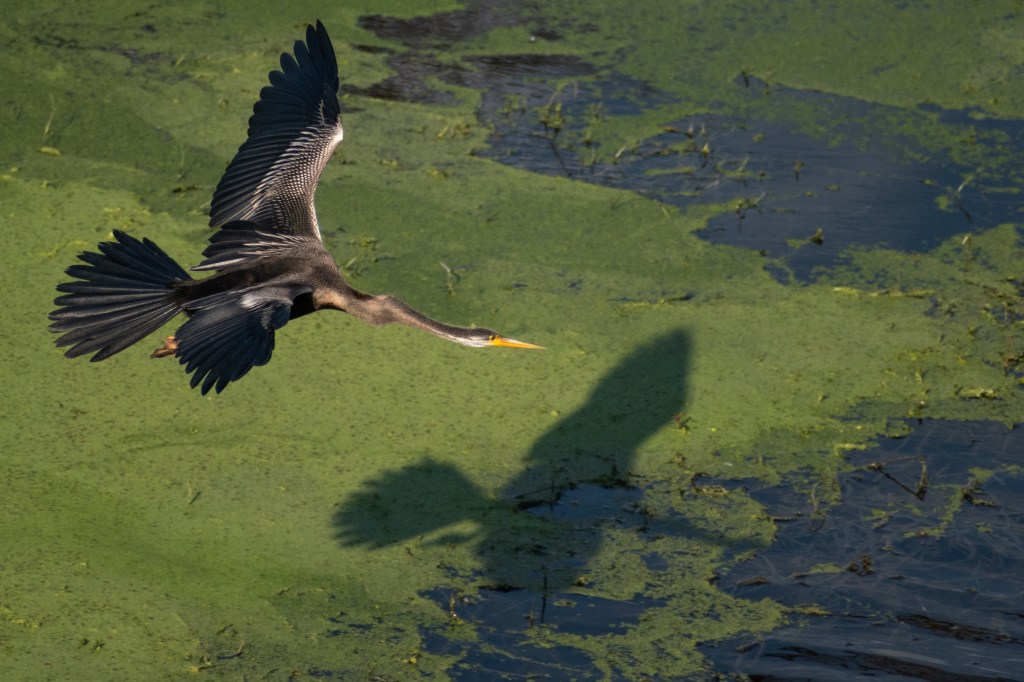
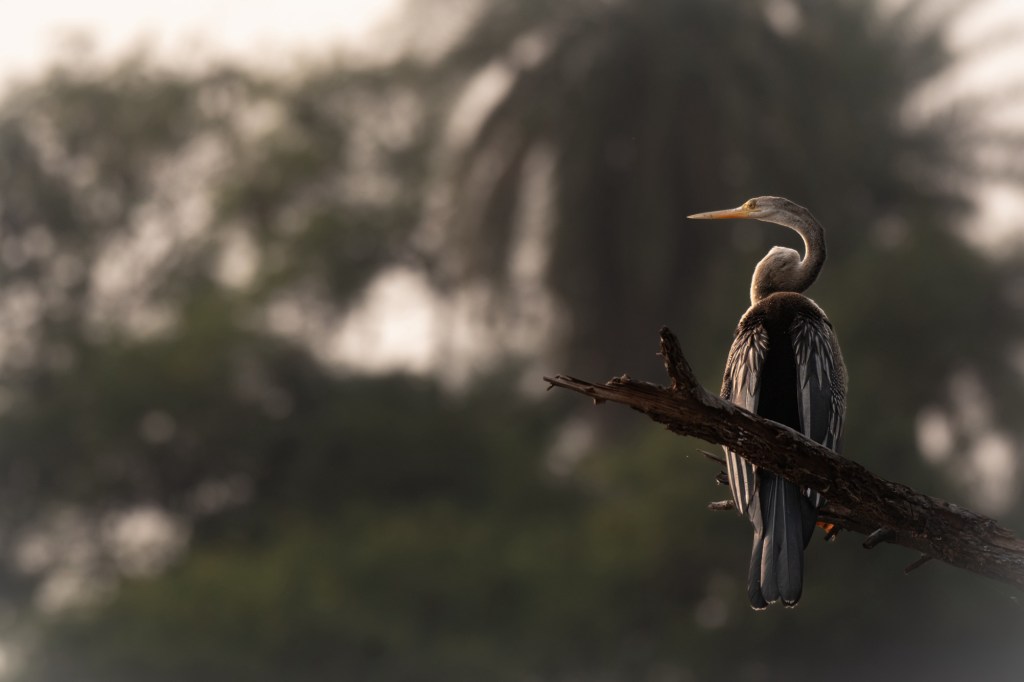
    An Ahingya โ€” the Snakebird โ€” perched on a dead branch, watching the water like a silent ghost that haunts the fish below.

    The encounter

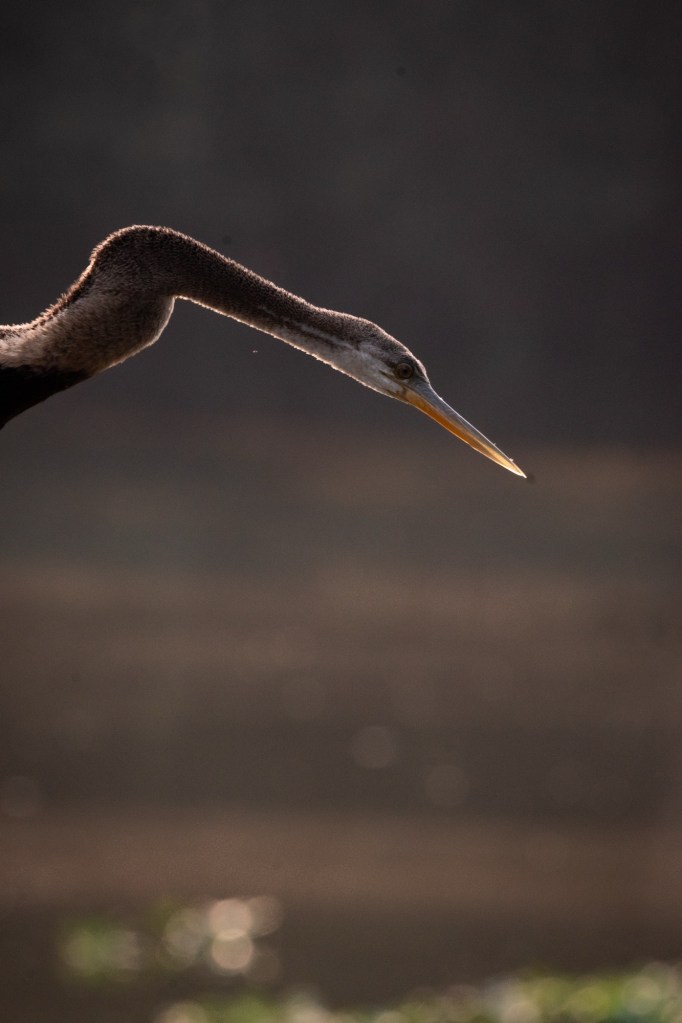
    I was on a secluded trail, surrounded by tall grasses and still water. Earlier, this same patch had given me close moments with deer hiding in the bushes. But that day, everything felt motionless. Then a shape moved behind the vegetation โ€” long, dark, sinuous. For a moment, it looked like a snake. But it was a bird: the Ahingya. If youโ€™re a fish, this bird is a nightmare.

    I had seen this bird often, yet from inside the bushes it looked entirely different. I wondered if the camera could capture that uncanny, snake-like presence I felt.

    The Solitude of the Bird

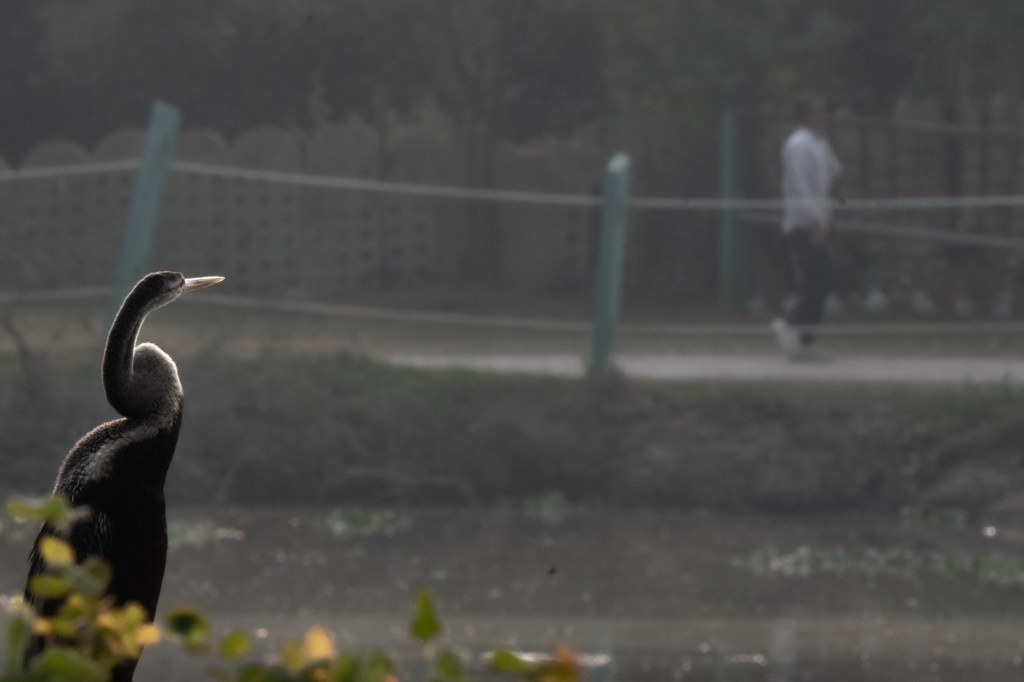
    The snakebird, also called darter waits for long periods on a perch near water โ€” perfectly still, with its elongated neck and piercing eyes scanning the world. It is shy of humans, especially when it realises itโ€™s being watched.

    Spending time with it feels like entering its solitude. The silence of the wetland wraps around both of us. Looking through the camera, it feels you are with the bird โ€” not literally, but in spirit.

    Its neck moves slowly, then freezes, then sways again. Through the bushes, the bird keeps disappearing, blending into the tangle of branches, as if it has become part of them.
    So, why shouldnโ€™t the photograph reflect that same feeling? A slight blur, a vanishing silhouette โ€” a reminder of how seamlessly this bird dissolves into its surroundings.

    Behind it, the glowing water seems to invite the bird back into the world where it is truly at home.

    A Creature of Two Worlds

    Watching it, Iโ€™m amazed by how a bird โ€” a creature of air โ€” has mastered the world of water so deeply. On land it vanishes into bushes; in water it becomes an arrow, spearing fish with its neck.
    It carries the reflections of both worlds.

    What the bird feelsโ€” a mystery

    Birds do not offer human-like expressions. Only subtle body language. When the darter stares into the water, we can only imagine:
    Is it bored?
    Is hunger rising in its belly?
    Is it relaxed, or does it have its own quiet reflections like we do when sitting silently?

    We never know.
    But one thing is certain โ€” the bird is comfortable in its solitude, perched like a patient ghost at the edge of the lake.

    Master Hunter

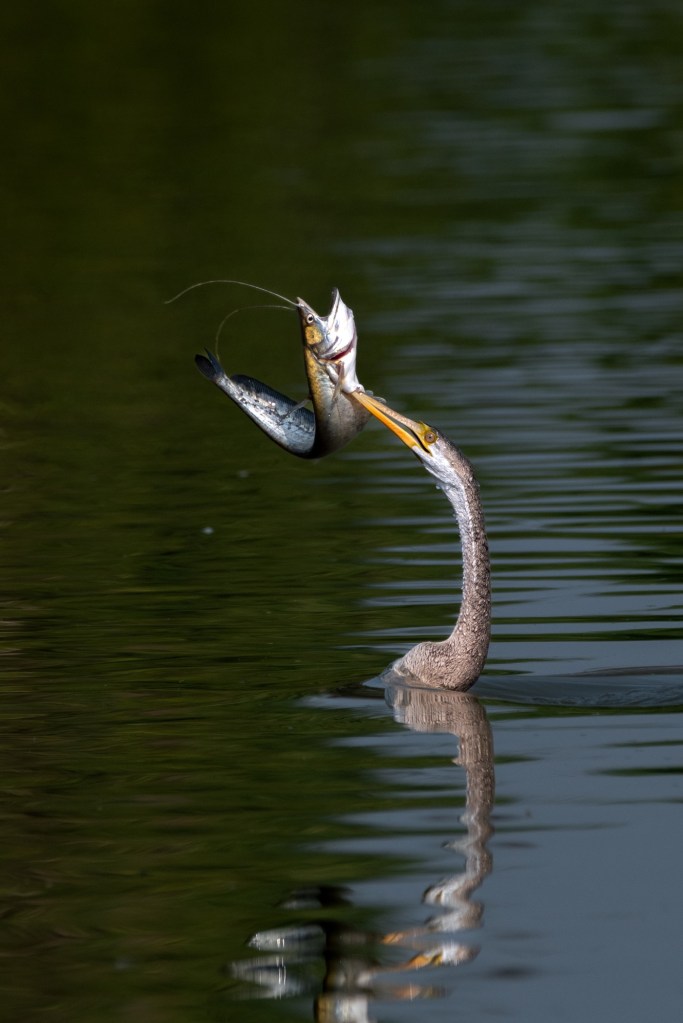
    The darter, is a highly specialised underwater hunter. It spears fish sideways while submerged, helped by its dense bones and wettable wings that keep it from floating up. Its slender body cuts drag, and its webbed feet provide strong propulsionโ€”perfect tools for underwater spear-fishing.

    For a photographer, the moment lasts only a few seconds: the bird rises to the surface with a fish pinned to its long bill, then tosses it before swallowing. In this frame, the catchโ€”a large catfishโ€”made that final toss unexpectedly difficult.

    The Fragility behind the Mastery

    The very adaptations that make the darter a specialist hunter also make it vulnerable.

    • Its long neck helps it spear fish, but swallowing is slow and awkward, as the fish gets stuck in the beak. The fish must be tossed and caught mid-air, often giving egrets and cormorants a chance to steal it.
    • It needs clear, mid-depth water to see fish, so dirty or deep wetlands fail it.
    • After diving, its wings get soaked โ€” unlike waterproof birds โ€” making it heavy, cold, and briefly unable to fly.

    This is when the bird is most vulnerable.
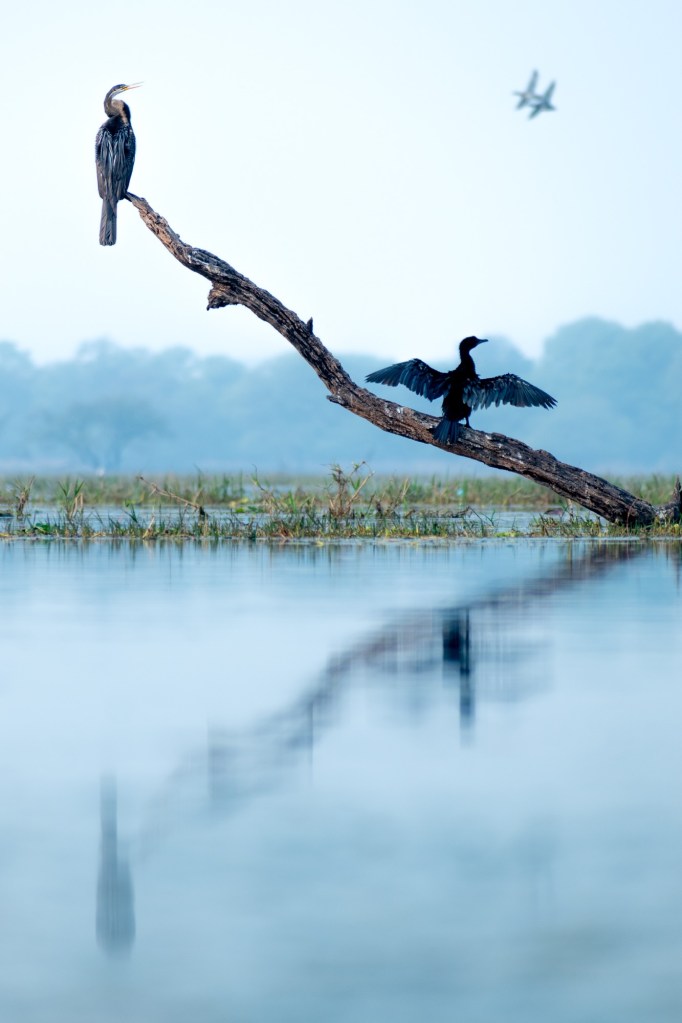
    That is why dead trees near water are essential. From these elevated perches, the bird can dry its wings while keeping an eye out for danger. A fallen tree becomes a safe harbour โ€” a sanctuary for survival.

    Darter perched on a dead tree along with smaller Cormorant

    Why Evolution kept its Wings ?

    If the darter is such a perfect diver, why did it not lose its wings like other specialised swimmers?

    Because wetlands change.
    Water rises, dries, gets polluted, or disappears.
    When a habitat becomes unsuitable for hunting, the darter spreads its wings and flies to another wetland.

    Its wings are its insurance policy โ€” the freedom to move, to survive.
    Nature was wise to keep them.

    How photography helps

    Photography can turn a moment with a bird into something magical. When beauty is captured, awareness grows. People begin to appreciate a species they might never see themselves.

    Images spark curiosity. A few may visit wetlands, supporting tourism and, indirectly, conservation. Local communities benefit, and that interest often circles back to protecting wetlands.

    From another perspective, the bird never asked to be seen or photographed. It already belongs to nature completely, without needing our attention. Photography simply helps us noticeโ€”so we respect its presence, keep our distance, and admire without disturbing it.

    What the bird teaches us ?

    The darter becomes a mirror.

    Specialisation brings strength, but also challenges โ€” just like in our own lives. Awareness of those challenges helps us grow.

    The bird also shows that nature is more intelligent and refined than we imagine. Its adaptations humble the human mind and widen our curiosity.

    And lastly, the darter teaches something deeply human:

    It doesnโ€™t seek attention.
    It doesnโ€™t demand validation.
    It simply exists โ€” complete, marvellous, and grounded in its own nature.

    Perhaps we, too, can learn to live like that โ€” trusting that we are enough simply because we are alive.

    Gallery

  • Bhramtal trek

    This trek happened to be one of my most intense treks, probably after Churdhar trek.

    The trek starts from Lohajung village, which is a very beautiful secluded small village among the mountains. I was accompanied by a friend, Dhruv, who was new to trekking on the Himalayas. Our bus dropped us at Lohajung in the evening. There was visible snow over the mountains. One particular mountain held our attention, as the snow there looked more greyish than white. On closer look from the camera, we saw snow over the canopy of long coniferous trees, together they gave the grey impression. The next day, we came to know from our local guide, that this is the mountain we need to cross on route to Bhramtal.

    Our Plan

    At night, after dinner, we made two plans. The first, ambitious plan, was to complete the whole trek in a single day, as the distance seemed less (10 km to the top). But as there is snow, which may slow us down. We made a second less ambitious plan of 2 days. On the first day, we will reach the top and stay there and then descend the next day.

    We aimed for the first plan, although we had the feeling of landing in the second plan, both due to snow and also because Dhruv was new to Himalayan trekking.

    Start of trek

    Early morning, I along with Dhruv and the guide left for the trek. We had some breakfast but were thinking of eating something on route. The landscape started with beautiful rhododendron trees and the sight of some beautiful birds like paradise flycatcher. Soon, as we ascended, there were snow and ice patches, along with boulders and mud. Then there were some dhabas where we had Chai. From there on, we entered the forest, where vegetation was denser, and the trees started to grow longer. Also now snow started to dominate the landscape.

    I remember coming across a beautiful waterfall, which we crossed using a bridge. We took some photos there. After this, the altitude increased further, and the landscape transformed into complete white. The trees were long conifers and their leaves were covered with snow. This was the grey snow mountain we saw the previous day from Lohajung. Now we are into it.

    Mesmerized, we keep walking, recording, and taking photos. Then we came across a Dhaba, where we had some food. Suddenly, a large bunch of snow came crashing down from the top of the tree. The sun had brightened up, as it was coming close to noon time, thus the snow over tree tops started to loosen up and fall. It appeared as if the trees had come to life, and were now drooping snowballs. We were also a bit concerned about it, as it may land on our heads, so we moved ahead, covering our heads with the hoods, and trying to dodge the falling balls. It was more like a game, dodging the balls thrown by the trees.

    Finally, the playful forest gave way to a more open snow valley. This was no less than a wonderland. We were surrounded by deep soft snow all around us. It appeared as if it invited us to jump in. We sat there for some time trying to absorb the view. As we were getting late on the schedule, we resisted jumping in the snow. We started back on the trek. The trees became less dense now, and the snow deepened. Finally, we reached our first milestone โ€œ Bekaltalโ€. We finally jumped in the snow there and had some food. There was a partially frozen lake in our front, and people had set up tents around it. The place was a good camping site. Also, a banner there read at an altitude of 3000 m above sea level.

    A problem

    It was 2 pm when we decided to leave Bekaltal. Dhruv had started to feel exhausted and had difficulty in breathing. After trying for half an hour, his fatigue increased. After deliberating for some time, we decided that we needed to split up. Dhruv would be staying at Bekaltal, while I would go to Jhandi top, and stay there for the night. If his condition improved, he would come to Jhandi top next day, or otherwise, I would descend back to Bekaltal and then we together would return to Lohajung. Meanwhile, the guide would stay with Dhruv.

    As it was already late, and I was now on my own, without the guide, I decided to rush the trek ahead, to make it to the resting point before sunset. The feeling that I would be alone was fascinating as I would be free to deeply engage with nature, and also made me feel a bit vulnerable for safety. Every step in the snow was a step in the unknown. It made me feel freedom and vulnerability together. I tried not to worry about the vulnerability part and engage with the freedom.

    The initial section was a hike, where I followed the premade trek over snow. After the hike, I reached a flatter section called the Tilindi site. There were no longer any trees, and the site was in full open. It looked like a beautiful desert of snow. Endless snow somehow makes you feel small, and you experience the dominating presence of nature. Also, the air felt thinner. I couldnโ€™t remember much wind. It felt like the air was no longer flowing. The sun was past noon, but still, it was bright to see in the snow, so I wore sunglasses. After a short break, I started to move over the snow desert, which ascended at a very gradual rate. So, it was a walk in deep but otherwise flatter snow, with a trek being made meandering through it.

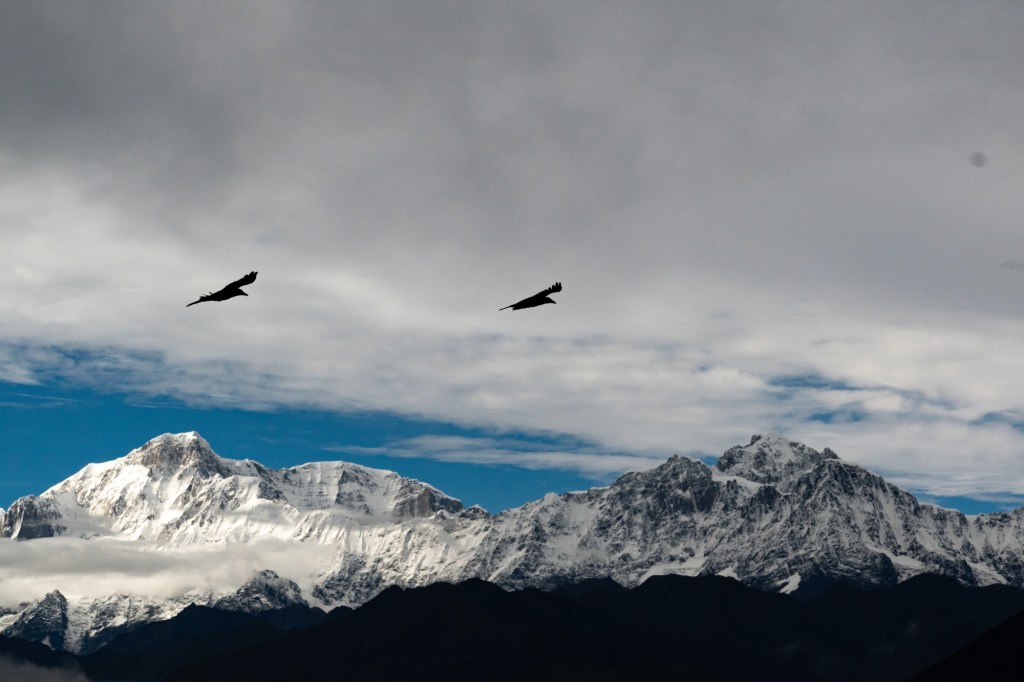
    I saw two large birds of prey, passing by me very calmly. They were scoring the landscape in deep silence. As I had a place to reach, and already feeling a bit exhausted, I resisted the temptation to take out the camera from my backpack. I only took pictures from my mobile.

    The landscape that unfolded was hypnotizing. The sky was blue, lit with bright sun. There were clouds at eye level, which seemed frozen in the sky. The land was all white with snow. A thin trek (made from earlier footprints) goes meandering in the snow. What appeared as short distance took bit of a time to move. With thin air, some fatigue, and a backpack to carry, I had to pause in between to take rest. When I reached the end of the visible trail, I could see a new trail to follow, but the landscape remained the same beautiful snow desert. It was like moving in infinite space, not much changes to judge your motion. Time seemed to have frozen.

    Finally meandering through the route, soaked in the snow landscape, and pushing my boundaries (both mental and physical), I reached Jhandi top. Here snow has markings made by high-speed wind. As this was the top point, it was exposed to the winds. The views from here were mesmerizing, but I was feeling tired now, so I was looking for shelter first. There was a tree house on top and an elderly man inside, I entered the shelter.

    Jhandi top

    I came to know that I, along with the tea house owner would be alone at the top, and we would be spending our night together. It was thrilling to think that I was going to have an exclusive engagement with nature, while there was no human being around us for a 4 km radius of deep snow. It was a new world for me. A world of extreme weather and natureโ€™s elements at its best. I felt excited to experience it. (No one to see us, tell us anything, I could do anything I want)

    After having some quick food, I sat out to explore the top. It was deeply covered in snow. Numerous ways extended down from the peak in several directions. There were mountain peaks like Mount Ghunti on one side and Bhramtal Lake on the other side. The peak itself was marked with a few empty tea houses and there was a Trishul in the snow. I took out the camera and took photos. The sky, was crystal clear, with very thin air, and few clouds extending like frozen fragrances. A thin streak of orange light spread over the sky, over the Tilandi route from where I came. I sat on a protruding rock from the snow, took several photos, and then kept on observing the view. It was an immense feeling of deep silence. Never-ending sky and snowscape, with only a flag over a tree house that was fluttering, which gave a sense of some known. Otherwise, the whole landscape was extreme nature.

    The feeling resembled as if an astronaut having come into space. Everything seemed so beautiful from here. Earth seemed so beautiful and new. The feeling of nature being immense, and it had taken effort to reach here. Further, the fact that I am alone here (with the tea house owner), exacerbated this feeling of wonder and discovery. I felt privileged to be able to visit this place. for I had sufficient fitness, health, money, time, and courage to be able to do so, and I was thankful for it. Especially the health and fitness, I felt somehow grateful for it.

    The feeling of the new world breaks everything thatโ€™s inside you. Every thought, idea, and perception about yourself is broken, and you get to experience yourself afresh. You realise there is depth in you similar to depth in nature and somehow both are connecting together. An intense feeling of transformation.

    The sun, as I thought sat behind the clouds, I could only see the orange streak of light spread over the horizon. I thought to wrap up and go inside the tea house, as it began to feel cold, especially in the feet, as contact of snow with the shoes started to feel cold. But then I got the urge to just spend some more time soaking in the environment, so for the next 10 minutes I decided to meditate and set the Pomodoro timer on. As my thoughts settled down and I soaked in the environment a bit, I could see a very dark red light appear in the clouds behind where the sunset happened. Apparently, the sun was still out there, and it was my first pure red sunset to witness (no pink or orange). I had never seen it before, and it was very unique and beautiful. I took photos. Finally, it was over and I returned to the tea house.

    The night

    We chit-chatted over a bone fire made by the man. He told me about his life, and that he likes to be at this place, which becomes so harsh, so often for any person to stay. And when every other tea house owner leaves due to bad weather, still he remains there. Everyone at Lohajung knows that even if no one is there at the top, but still the old man would still be there, that was his image. At times, for weeks, there was no one on the entire trek, but still, he remained. It was a very courageous thing to do, and he attributed this to his belief in lord Shiva, from which he derives the strength. Although my beliefs arenโ€™t the same, they were good to hear and very admirable. (He owned that free land on his sheer courage to be there)

    I told him he was living a very free life, where he was his own master, with no rules, pure nature, and all the space in the world. He can choose and do as per his convince. He was very happy to hear it. We had food, he played radio, and then finally went to sleep. I was considering waking up early for the sunrise.

    At 10:40 pm, I woke up with a headache inside my sleeping bag, and a heightened heart rate. I checked my oxygen levels, and it was dipping below 92. I was suffering from altitude sickness (lack of oxygen). I opened up the bag to get some fresh air, it felt better than I tried to make sense of the situation. I was in a tea house covered with plastic sheets, and outside cold wind was blowing strong. I was on a summit where no help could be asked for, as no humans were there for a 4 km radius. I didnโ€™t have medicine except for ors (all medicines were left in Dhruv’s bag, while we split), and a fleeting mobile network ( I couldnโ€™t communicate with Dhruv). Also, itโ€™s night, I couldnโ€™t ask anyone to come, but could I go down? ( as going down to low elevation was the only solution). But itโ€™s night, and it might become worse due to the cold, and I may have difficulty finding the way. But if I stay, the lack of oxygen may exacerbate, as I had the whole long night to pass. It was a very bad situation to be in (it is surprising how life suddenly goes to the edge, the feeling of grasping for oxygen, makes you realize how easily life can be lost), where there was no immediate escape to safety, and the fact I am alone in this was also scary. I also thought, about what my loved ones would think if something happened (shock to them), and there might be inquiry and the trek agency and guide be questioned, and also what the old man would think (we had a good talk at night and suddenly this happened). All the sad thoughts were there. I decided not to slip into these thoughts and should focus on the situation at hand. I had a whole night that I had to remain awake to, monitor my oxygen level, and inhale faster and deeper to increase oxygen levels. I also figured that increased heartbeat is not to be worried about, as my heart is working extra hard to ensure oxygen supply throughout the body. I made sure I had water to drink (mixed ors in it), and I was well insulated (wore an extra jacket). Then I sit out for the night. I didnโ€™t have the option to sleep (as my breath rate slowed in sleeping). A few hours passed, and I could maintain my optimal oxygen level by hyperventilating. Then post 12 am, I woke up the elderly man, just to inform him of my sickness. He consoled me that everything would be fine, and it might be that it was just something else than a lack of oxygen. I said yes probably it is dehydration. His talk was comforting to me, although I knew it was a lack of oxygen I didnโ€™t want to stress him out. I asked him to sleep, and that I would wake him up if I faced any problem.

    By 2 pm, I felt to urinate and had to wake him again to open the sealed door. He also felt the same urge, so together we went outside, and relieved ourselves. I looked up at the night sky, it was so clear and lit with stars and constellations. I felt so near to them. It was like a dream to see that view. But then I was reminded of my desperate situation, and I felt the cold outside. A sober sense came to me and I decided to wait out the whole night and leave for low altitude early morning. So, I canceled the trekking at night option. When I returned to the sleeping bag, I pulled up my mind and now I was determined to make out alive. (In a way I was now experiencing and absorbing the higher altitude well by being in natureโ€™s elements; something I felt to experience in a tree house)(I have some control over my life now by hyperventilating; so initial Panic now changed to experience over the edge; something similar to swimming for the first time in the water where you somehow figured out how to float).

    Hours after hours passed, I took 10-15 min nap and woke for hours. Increasingly it became difficult to stay awake, but I kept pushing. At last sun came up at about 5:45 am. I woke up the old man and told him I would be leaving. I packed my stuff and wore the essential equipment. My stomach was really upset, but I couldnโ€™t find any nearby place to loosen up. Also, I wanted to get to the low altitude as quickly as possible. We took a selfie together, and I bid him goodbye. The old man suggested there is a steep alternate route that passes down to Lohajung, and that I could take it to reach low altitude sooner, but as Dhruv was on the earlier route and waiting, so I decided to take the same route. I asked him how much time, would it take for me to reach Bekaltal, and he said 2-3 hrs. It was a long time, and my health can go anywhere. So I decided to hurry up. I took one photograph of the sunrise, and then I left.

    I walked quickly, in a hurry to lower the altitude, after half an hour I reached Tilndi, and then to my relief step descent started to Bekaltal and there were trees. I could sense better oxygen and felt relieved that now I would recover. It took me around 1 hr 15 mins or less to reach Bekaltal from Jhandi top, a record time, that I was very happy with. The first person I saw reaching Bekaltal was Dhruv, we were happy together. Soon our guide joined in, he was also surprised to see me reach so early in the morning. It was a happy moment. The first thing I did was to relieve myself of the upset stomach. Later, I came to know Dhruv also suffered from altitude sickness at Bekaltal and had difficulty sleeping. So we both had a troublesome night. (I was feeling happy seeing Dhruv, a familiar face, itโ€™s joyful actually, a familiar happy life from the alienated life I experienced that was both beautiful and unwelcoming; heart longs for love after such experience to soothe the weariness; similar to birdโ€™s feeling happy in the flock)

    We had breakfast, and after some rest started to decent down happily. We jumped in snow valleys, threw snowballs, and lay down in the snow with no intent to get up. We had all the time ( whole day to decent down), there was no hurry, and we just wanted to live our moments. Our guide also joined us in the fun with the snow. The life thatโ€™s inside me felt so valuable now that I wanted to enjoy it)

    Later we descended down safely and then took a lot of rest and food.

    Afterthoughts

    I could never forget the experience I had at Jhandi Top, it was another world, but not a very habitable one. It is surprising that we live in a thin envelope of the atmosphere above which life could not exist. And this thinness we can begin to experience after a few 3-4 km rise above the sea level (without proper acclimatization). This makes our current places where we live, more beautiful to exist.

    This experience further nudged me to look deeper at the life at hand and experience it more deeply. As probably covering the length in nature ( going to extreme peaks) may not give me the answers I seek, but looking deeply into it might.

    Further, the view and the journey to the peak were beautiful. I would like to undertake a few more, but with better preparation and caution. Itโ€™s fitness and health that enable us to go. But we need to respect the fact that it is the mountain for some reason (I.e. it is difficult to access, and it can make us feel its presence anytime).
  • Golden Deer

    Golden Deer

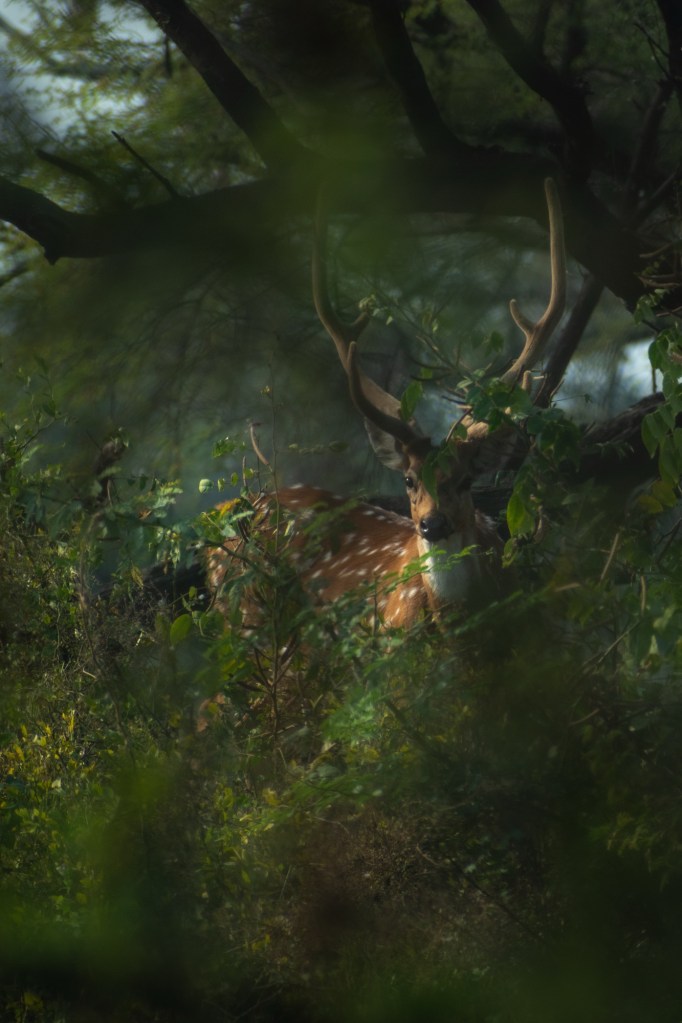
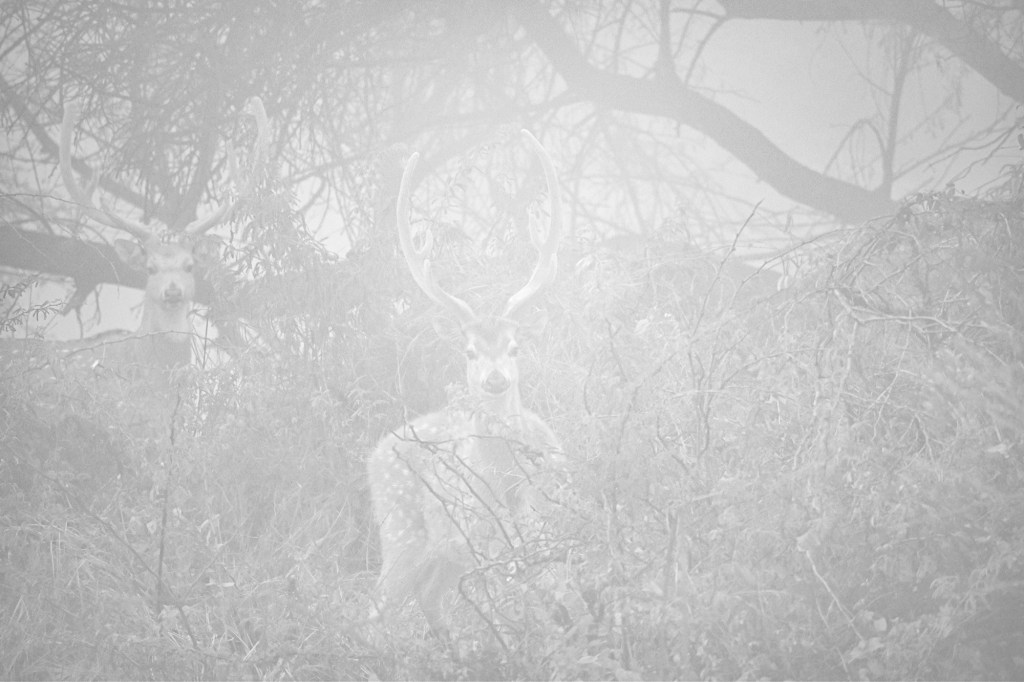
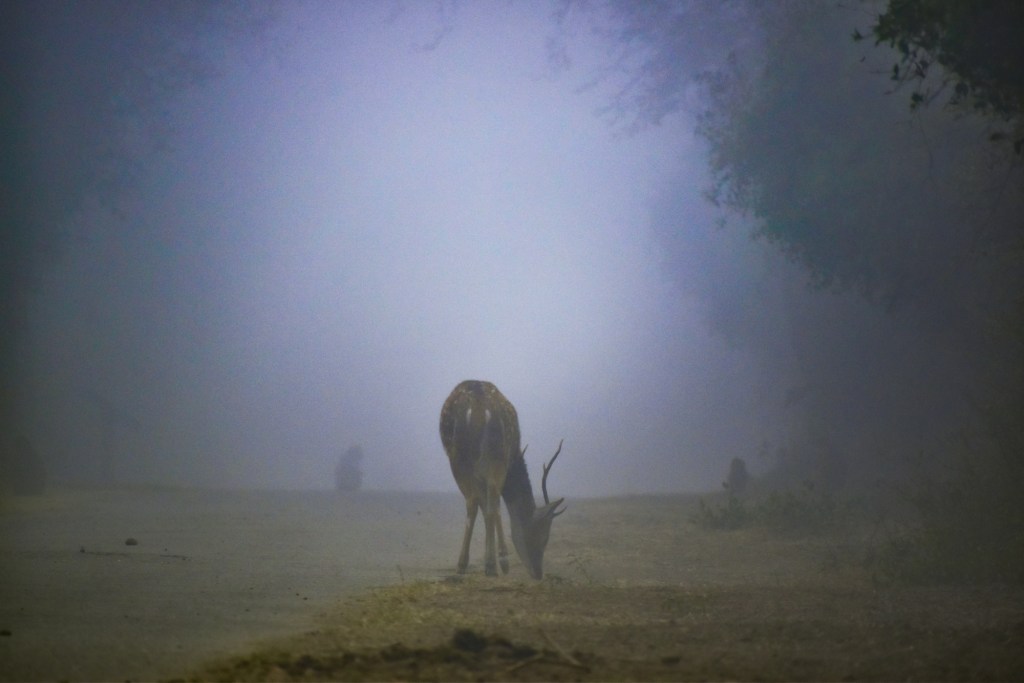
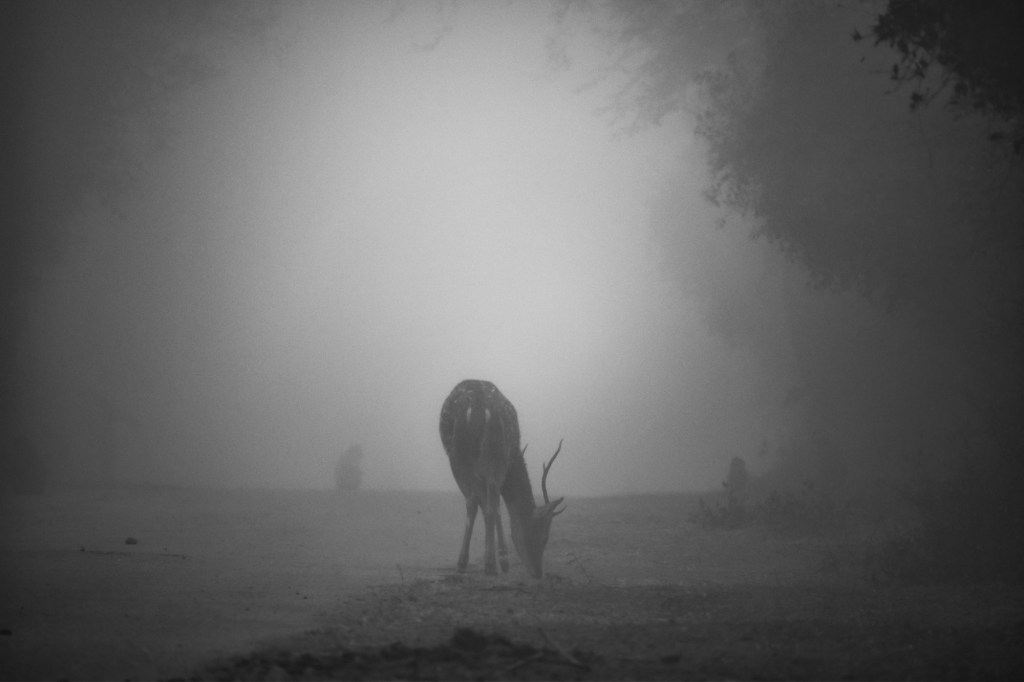
    “Through the fog, I could see the antlers almost lost in the haze. Soon I could see the eyes watching me. The deers have already noticed me, but this was the last opportunity I could get. The place was so good that I didnโ€™t want to leave”.

    Morning pursuit

    It was last week of December, 2020. It was still early in the morning when I entered the national park. The fog was very dense. According to locals, it was the foggiest morning of the month. The morning smell of forest mixed with the mist was very refreshing. As I started the solo walk deep into the woods, I had mixed feelings. On one hand, visibility was so poor that I couldnโ€™t even see a few meters ahead of me. The fog together with my winter clothing had also dampened the sound. The rubbing sound of my jacket was the only thing that I could hear. While on the brighter side, the same dampened sense would also be true for deers. Chances are good that I may get close to them without getting noticed. Fog reduces the distance !

    The unexpected

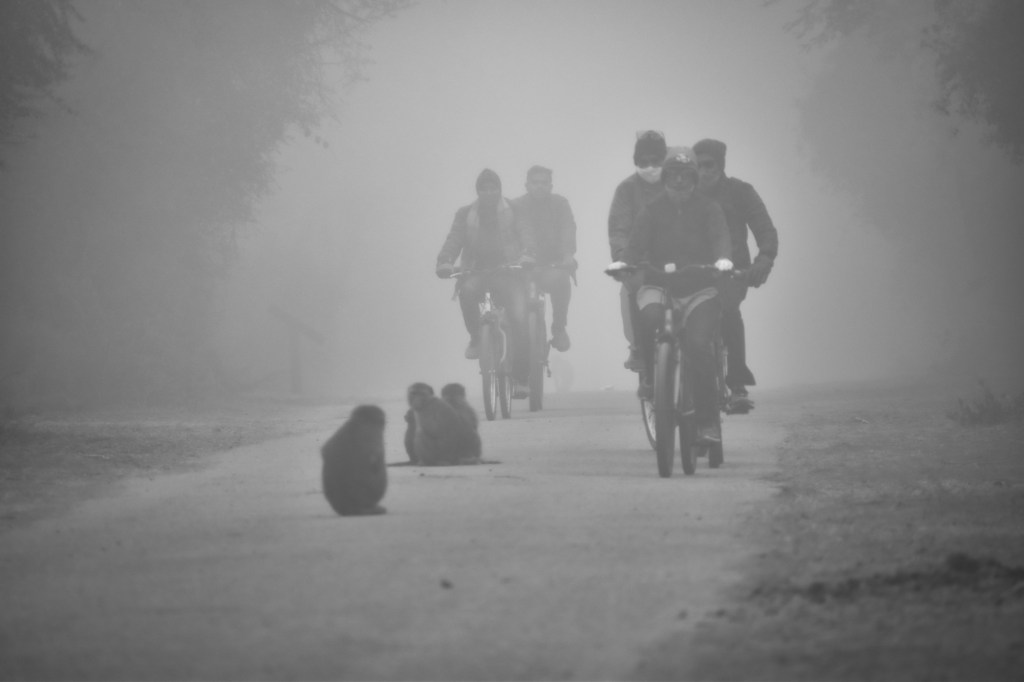
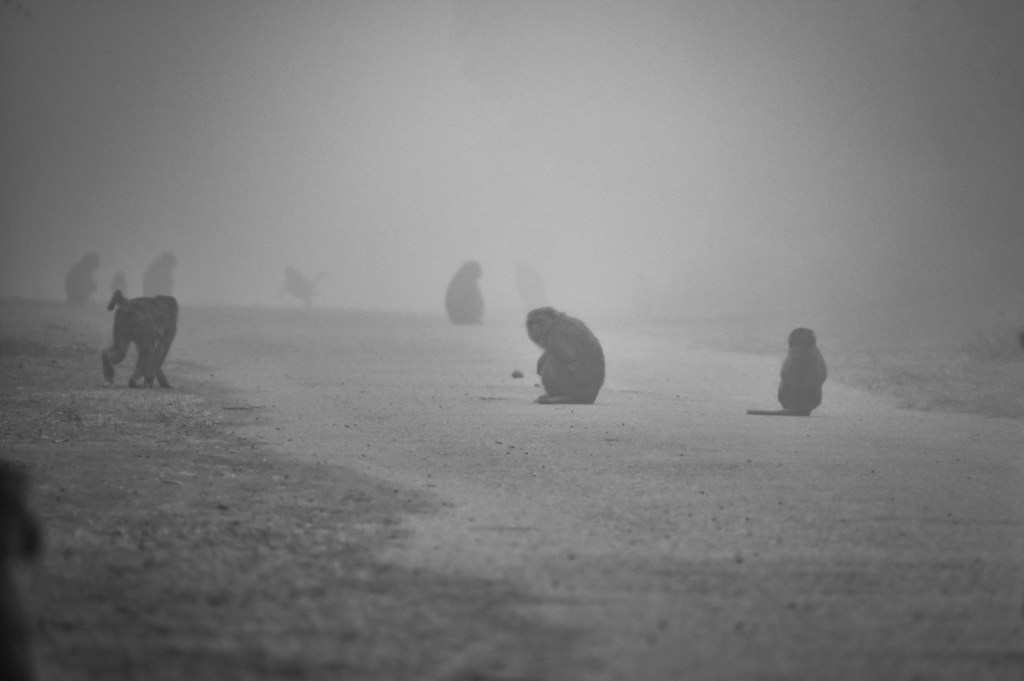
    The road that I was walking on, passed through the woods on both sides. I had been walking on it for sometime now. There was not a single soul that I came across. I was quite inside the forest. Then, to my fears, something unwelcoming happened. I came across a large group of monkeys sitting ahead of me. The road as far as I could see through the fog had monkeys sitting on it. The group was making angry chattering sounds. At this moment, fear gripped me. I was alone in the jungle with no prior experience with wild monkeys.

    Chances were the monkeys who grew up in the jungle and had limited experience with humans, would have different behaviour than those in cities. Any misunderstanding that might happen between us could become dangerous. Even the sounds of all the commotion happening in this part of the jungle would not make very far away in the fog. No help could arrive on time. Also, I didnโ€™t want to go back, as that would mean a waste of the whole effort. If I had to photograph wild deers the early morning fog was my only chance. All these thoughts quickly ran through my mind. The angry chattering sounds of monkeys grew deeper, and now I could see a monkey advancing toward me.

    I resisted the temptation to go back, so I stepped back a few steps. I decided to hold my nerves and take time to understand the situation. The monkey sat and advanced towards me. I too stood my ground, took a few steps backward, and maintained the distance. In the next few seconds, I could see two more monkeys coming from behind the monkey in the front. They were aggressive and making sounds. The front one was not aggressive but was staring at me. While the monkeys behind him were looking at him instead. Something was different. It soon occurred to me that I was not the target. The monkey in the front was the actual target. Some ruckus might have happened in the group, and the monkeys seemed to be chasing him out of the group. While he was trying to escape, he saw me standing in his way, and was thus looking at me. I could now sense the nervousness on his face. Hoping for the best I decided to move sideways from the path and opened up the space. Then I waited for the monkey to cross. Time seemed to stop as the first monkey advanced. He crossed me while I stood still, and then he ran. Soon the rest of the two crossed and chased him. Now, I became sure that the group didn’t perceive me as a threat, I was a neutral outsider. I then decided to cross the monkeys. The road ahead was full of monkeys, as I walked in, they made space and moved sideways. Gradually, I kept moving in, and gradually they kept giving up the space. The trust that those living souls showed to me while I walked by was humbling. This unsaid understanding of not bothering each other, while sharing the same space was very unique for me.

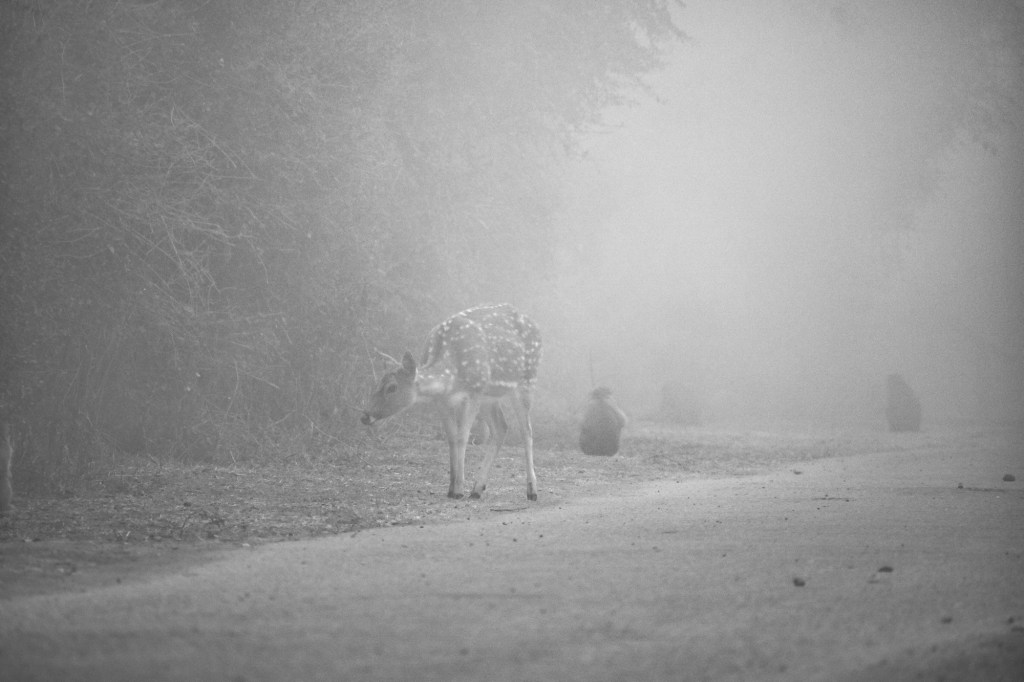
    Photo of the group from behind

    The first appearance

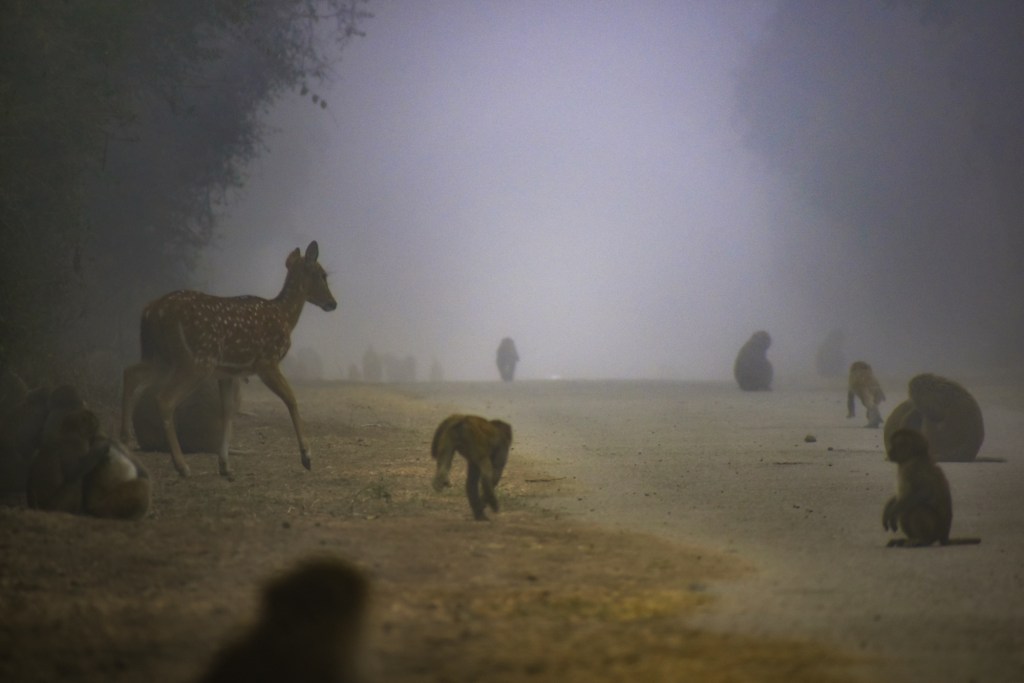
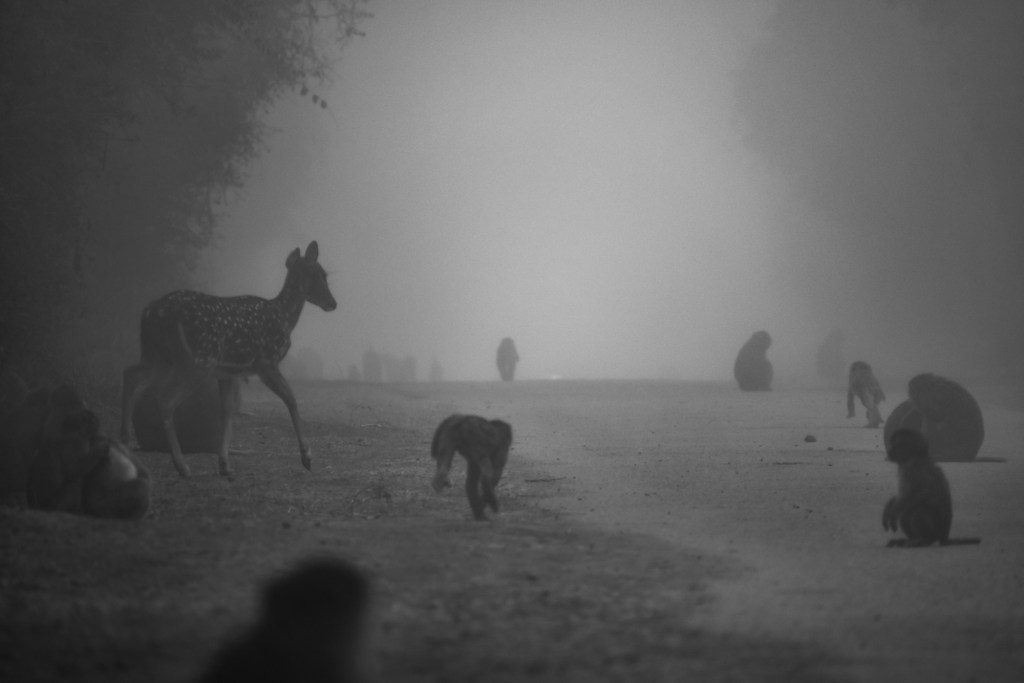
    Soon I crossed the last of the monkey. I moved a bit ahead, so as not to disturb them and then sat down to take some snaps. As I was adjusting the camera focus, a loud barking sound launched the nearest monkey off its feet. What I saw was the glimpse of a deer vanishing into the woods. It was a female deer. She was coming out of the thickets to cross the road. But because of fog, she could only see me very close, thus the surprised reaction. Now, this was something that I came early in the forest for, which is to photograph deers up-close. But now she had seen me and alerted all the herd of an outsider. From my earlier experience, I knew that the deer won’t return to the same spot where it had earlier felt threatened. Thus, I decided to step back a little, so that the deers could re-emerge from some other location. After a brief moment of no activity, deers reappeared deep into the same monkey group that I had now crossed.

    Deers emerging in monkeys group

    Monkeys provided them a sense of security, as there are more eyes to watch for any possible intruder. The deers were standing relaxed now, venturing on the road. It was very serene to watch. I took some photos, but the camera keeps failing to focus in the fog. I switched to manual focus and waited if some deer chooses to move nearby. It was quite sometime now for me being in a squatting position with camera and I felt a bit of a cramp in my leg, so to ease out I adjusted my legs a bit. As soon as I did it, all the deers ran away into the bushes, no deer can be seen anymore. I was left puzzled, Did I make a sound?

    There was a tweaking sound while I adjusted my legs. But it wasn’t loud enough. And why all of them ran away. None of them even looked at me while running. I sat bewildered for moments not knowing how to react. A minute or two passed by, and then I saw my answers coming.

    A group of cyclists arrived chattering among themselves, and they now stood facing the monkeys. Seeing such a large endless group of monkeys, they came out of the cycles, undecided whether to go ahead or not. They must be having similar thoughts as mine about going back or not. The deers must have heard them from a distance, either the sounds they were making or the cycles. And all of them cleared out of the way, long before cyclists even arrived. This was eye-opening for me. That the deers can hear the sounds long before and clear space, spoke a lot to me about their heightened senses. I could now understand my own difficulty in spotting deers, they all must clear the path long before I arrive on the spot.

    The cyclists were still standing. Two of them have crossed their cycles to flee away if the situation demands so. I was pretty sure that the deers won’t arrive again here, at least not before half an hr. Also as the day will be setting in, the fog may clear up and more people might arrive, so I will keep missing the shots. I thus decided to abandon the spot, in search of a more secluded one. As I stood on the ground, the cyclists saw me at the far end. Their doubts cleared up and they too decided to cross the monkey group!

    Search for the spot

    As the cyclists passed by, I too moved ahead. It happened to be a long solo walk. The thickets around me soon gave way to lakes on both sides. The boundary was marked by trees and bushes. There were moments when I could see large waterbirds very close to the pavement. The fog was doing its magic. But it wasnโ€™t the birds that I wanted to photograph, I was looking for deers. The walk soon became a long one. I started having doubts about my decision to leave the monkey spot now. The place wasn’t very well secluded. But atleast there were deers, and the possibility to photograph them. But now, the forest landscape has given way to lakes. Can there be deers in the lake? Of course not. And would there be any forest landscape again, chances seemed grim. Even so, I kept moving ahead.

    Tea break

    After a brief walk, the main road came to an end. There was an old canteen at the end of the road, also a less walked unpaved road goes to the left. The fog was still very dense. I choose to take a look at the canteen if by any luck it’s open. The canteen seemed closed from the distance, but as I went near, I could see a bonfire. To my surprise a young boy was there, igniting the fire. He invited me to warm myself. With little chit-chat, I came to know he works in the canteen and has joined recently. His father expired early, and he was given the job in his place. He arrived early every day as it was his first new job and he wanted to be punctual. Also, it happened to be the peak time of the season with the tourists were arriving in plenty. The demise of his father and the hardships he and his mother underwent, held my mind. But the boy was light in his head, and I didn’t want to make it heavy for him. Our discussion about his studies and work soon went to young boys and girls hanging out in the park. He shared many stories of how young boys and girls arrive in the park, asking him to be a partner in crime, by showing them a secluded place. We had these refreshing talks for sometime. I warmed myself, had tea, and then bid him farewell, to see him again before I leave. The fog was still dense and there was still sometime to try again for the deers.

    The less walked road

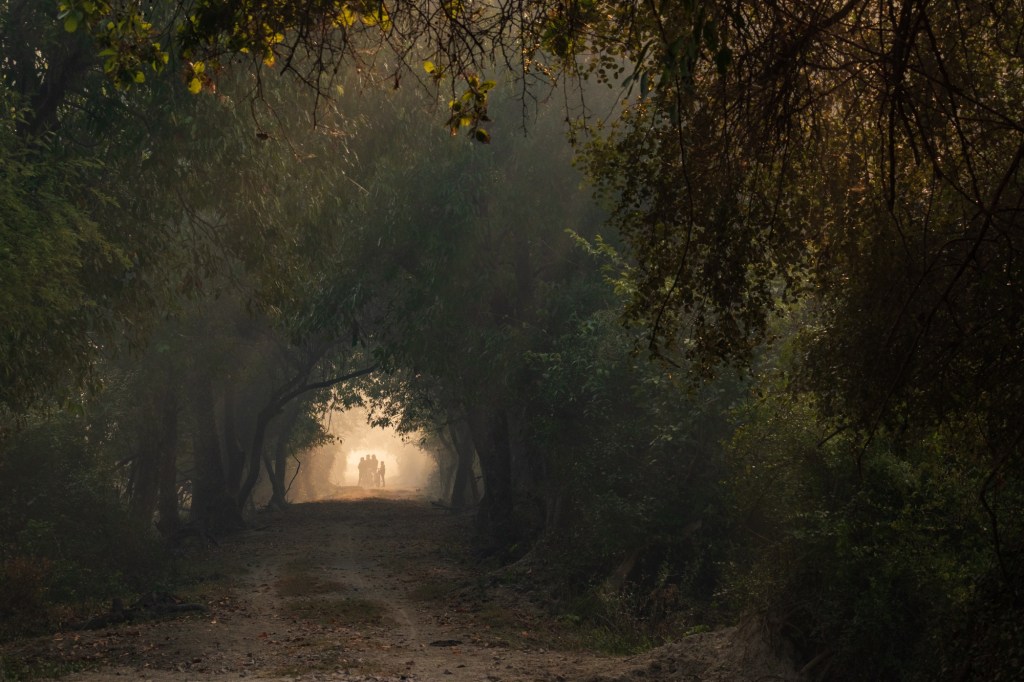
    The road to my left appeared to be less traveled. It wasnโ€™t also well leveled. There were lakes on both sides, marked by bushes and trees. Hardly had I walked a few hundred meters, that I came across a surprise opening in the bushes. There I could see a forested path going meandering inside the lakes. As far as the fog allowed me to see, I couldnโ€™t see its end. A sense of mystery surrounded my mind. Was this the one path that I was looking for? Would there be deers?

    A moment of silence and then very carefully I stepped in. First, I crossed thorny bushes making sure not to make a noise. Then I advanced very slowly inside the forest. Taking the help of trees and bushes to keep myself concealed. As I progressed, the path deepened further. The hopes of finding a deer in such a secluded place increased, and with this, I was also becoming very cautious not to blow away my cover. A point came where the path went below in a small depression and from there it climbed back. As I went into the depression I took a little break, as here I would not be visible. Then I climbed ahead and moved crouching down till I reached a tree. I then lifted gently to see something that held my breath. I took out my camera and zoomed in to make sure what I was looking at.

    Through the fog, I could see the antlers, almost lost in the haze. Soon I could see the eyes watching me. They were deers and they had noticed me before I could spot them.

    The fog did provide me cover but it wasnโ€™t enough. The deers were now alert. Every move that I would now make would be watched. I retreated behind a tree retracing my steps, and a lot of emotions went by. As the deers had now seen me, they would keep themselves away from this place. It felt like an opportunity missed. At the same time, there would not be a better-secluded place than this where I could spend time and photograph them. The place was so good that I didnโ€™t want to leave.

    Can you spot the deers ?

    I decided to retreat, as going forward wasnโ€™t the option. As I moved back away from the tree, the deers watched me step by step, till I went back into the depression. Now taking a sigh of relief I started to think. The deers have seen me going back. They must have their suspicion, but maybe if I could wait long enough they may feel safe and venture out into this area. Maybe all was not lost yet. But the problem was how could I go back to the same path as it has been exposed, and the deers being cautious. A new path must be taken, and there could be one if I can skirt along the edge of the forested path behind the bushes. With that the only remaining option I went through the path. It was a difficult terrain, as there were a lot of thorns and unlevelled ground. Inch by inch I closed the distance, till I reached the end of the bushes. The tree where I was exposed was to my left and behind. In front of me was an open patch of ground a few meters wide and long. Immediately in front of me and to my left were three bulls, one standing, and two sitting. Ahead of them, and at the end of the ground was deer herd partially concealed in the bushes. I could still see those antlers. Also unexpectedly I found an old abandoned tent to my front right. It was in torn condition, someone had used it before and left it, probably with an intent to return. But the presence of deer herd meant its owner has been absent for sometime. But then this tent could be used as a hide, only if I could get there, as the ground in front was open and to reach the tent without getting noticed was a challenge. Taking a deep breath, I moved along the edges, trying to keep myself as concealed as possible till I reached the tent. During this time I didnโ€™t look up a bit to see if I was noticed. But after reaching the tent I could see the bulls were at peace. This meant good chances are that my presence remains hidden.

    The wait

    I found myself at peace realizing I did my best to get to the place I wanted to. Also, luck was on my side that I found a tent to hide behind. It had been unimaginable for me to reach so close to a wild deer herd, and them being unaware of my presence. Watching them so close in the wilderness was very satisfying. If the luck favoured me more may be the deers just decide to venture to my side and give me an opportunity to photograph them. Although the opportunity might be very small. They would soon spot me and run.

    What now I had to do was to wait. The fog was still dense. I watched the bushes and the trees that I came out from. Everything was very silent, the surrounding lakes felt serene. Occasionally few small birds came and perched nearby. I took the opportunity to photograph them. Then there were sounds of distant ducks in the lake, I could see them emerging out and vanishing back into the floating fog layer over the lake. A few hours passed by, and slowly nature started waking up as the fog envelope faded away. The sunshine appeared and cleared the visibility further. It was time for me to also get prepared. Anything could happen anytime. There was a small gap in the two successive cloth layers of the tent, through which I could see the other side. The deer herd was still behind bushes. The bulls still relaxed, only a slight change in their positions. I checked my camera settings as the daylight had increased, and then waited.

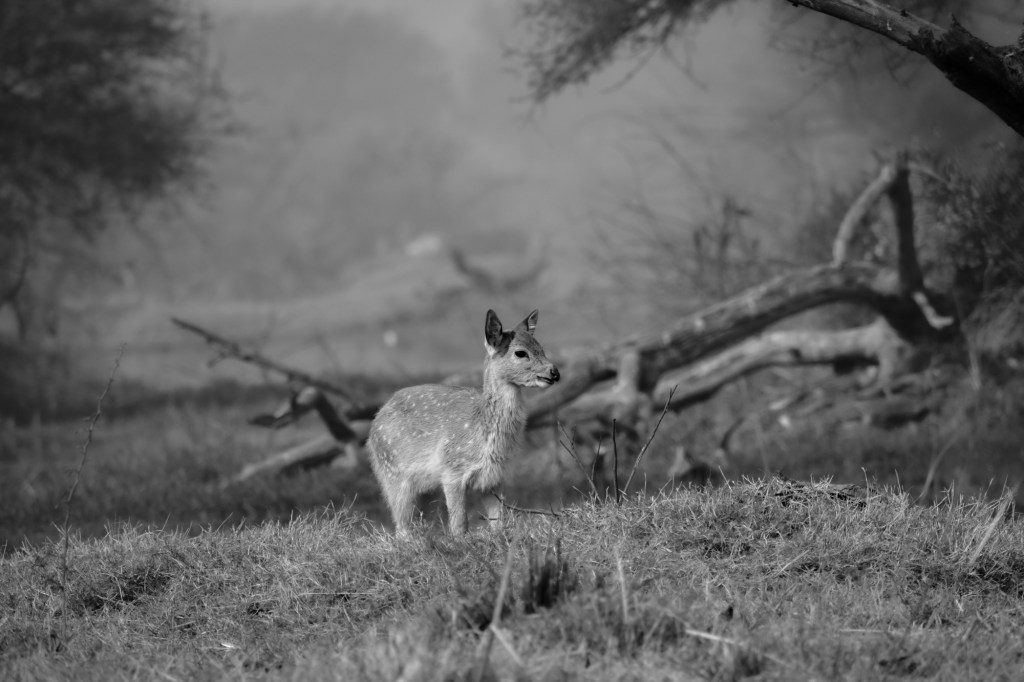
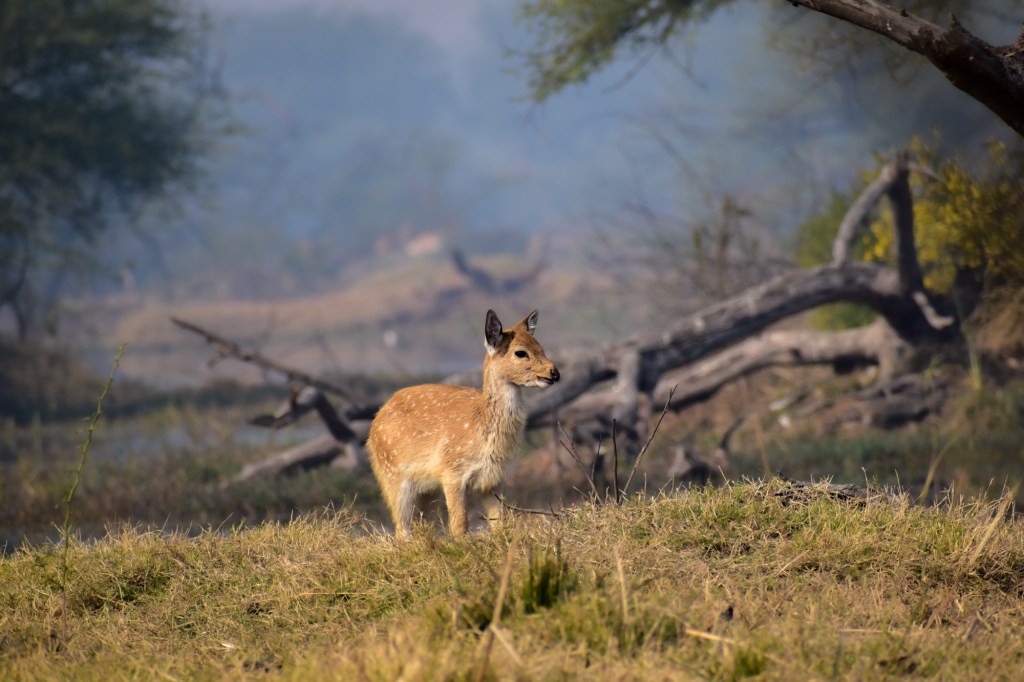
    Now, I donโ€™t remember the exact duration, but soon enough a small guest made an appearance. It was a little deer fawn, who had ventured out into the open. I couldnโ€™t believe my eyes. The herd had a fawn!

    The herd had also come out in the open to warm themselves in sunlight. But the curious fawn came further out and near to my side. I wasted no time and started photographing. While photographing I watched the fawn through the lens. He was so close and everything was so adorable about him. The innocence, and the happiness on his face as he ate the fresh grass. Some moment of silent photography, and then I got the urge, that may be I could get a little nearer. It was a wrong urge, a slight movement in the tent, and the fawn got alerted. He saw up and then moved back to the herd. The return of fawn alerted his mother. She was sitting near the bushes. Now she was staring straight at me through those small tent holes as if she has spotted me behind the camera. I couldnโ€™t even remember making a noise loud enough for her to hear. The fact that she pinpointed me at the same spot through those small holes left me feeling unintelligent. Her evolutionary intelligence and senses were simply very high.

    Some anxious time passed by, she was still alert and staring. But surprisingly she wasnโ€™t alerting the remaining herd. She wasnโ€™t making that barking sound. The fawn was now secure behind her and has joined the rest of the herd grazing. What could be stopping her? Maybe she hasnโ€™t yet seen me and only had a doubt. Or maybe she still wasnโ€™t sure whether I posed threat enough for the herd to be alerted. Anyway, moments passed by. I didnโ€™t make any other noise, and not even pressed the camera shutter. I wasnโ€™t willing to take any chance to give away my position. She then eventually relaxed. I also felt relieved that the herd wonโ€™t be disturbed because of me, as it wasnโ€™t my intent. I loved watching them and photographing them and I just did that. I had a few more opportunities to photograph the mother and fawn together. But the view was often obscured by the bulls coming in between. Eventually, the herd moved further away into the bushes, along with the fawn. It was time for me to move back too. I had a very deeply satisfying experience and now I was feeling hungry.

    I made sure to return as silently as I came. I was happy with the thought that the herd never could know of my presence. Only the fawn and mother had their suspicion. The only blunder that I made was forgetting to collect my winter cap. I hung it near the tent while photographing. Maybe when the mother and the fawn returned, the fawn would have confirmed my presence seeing it, and would be proud of himself to had successfully identified an intruder.

    I went back to the canteen, had tea and snacks, and met with the boy who was now busy with the tourists who came in plenty, as the day cleared up. I showed him the photos, and after a short chat said him goodbye.

    One thing that occurred to me after this experience was that I could now understand why the predators likes to ambush. The senses of deers are simply very high. Itโ€™s next to impossible to approach them without being spotted. Thus, the predators prefers to try their luck, waiting patiently for the deers to approach them. As I was returning back I still could remember the piercing eyes of the mother deer as she watched me sitting behind the tent!

    The fawn !

    Images

    Deers emerging into monkeys group
    The fawn !
  • Chandrashila – Tungnath Trek

    Chandrashila – Tungnath Trek

    September 2023. The weather forecast was showing mild rain for the upcoming days. It wasn’t a good choice of days for the trek, but then those were the free days available for me to do the trek. So, I took my chances.

    Day 1Saari to Deoria Taal

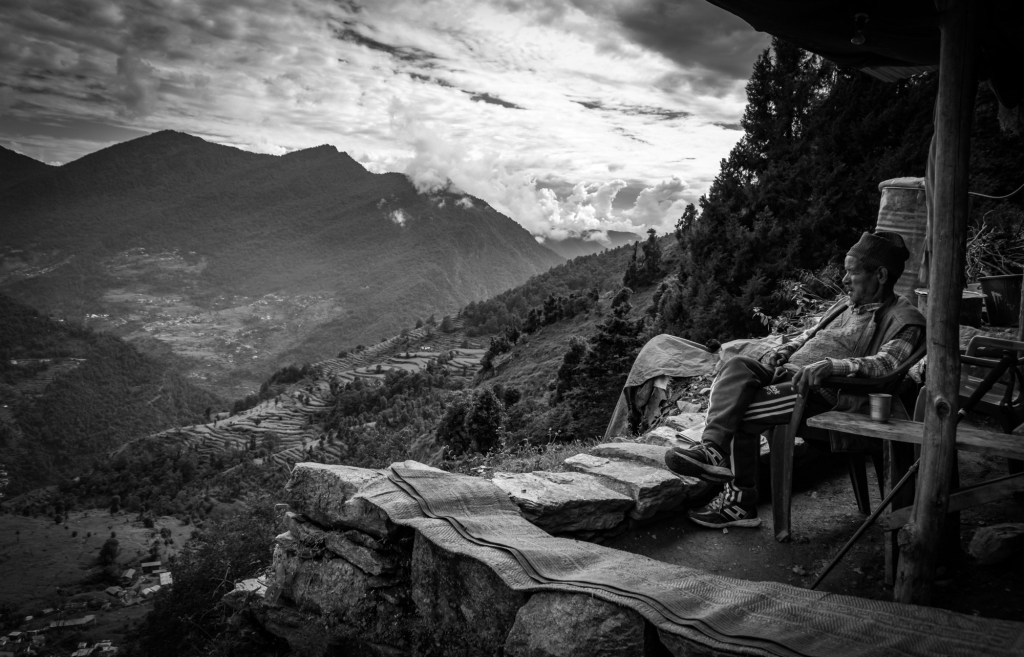
    Saari is a quiet and peaceful village in the Himalayan foothills. One has to reach there passing via Rudraprayag and Ukhimath. It also happens to be the starting place for Trek to Deoria Taal. The trek is essentially a steep hike of about 2.5 km. When I started the trek, it was noon time, and I had a heavy backpack. When I started climbing, I started to feel the pain on my shoulders. I kept on climbing at a slow pace, but the legs felt increasingly heavier. I was regretting that I probably overpacked. I started using the trekking pole, it helped somewhat but still couldn’t put the pain off. Finally, I had an idea that worked. I divided my backpack weight into two using a smaller bag and hung the smaller bag in front. This provided me stability over the slope and also relieved my back by distributing the weight. Now, I could walk smoothly, although at a slow pace. With the climb, views kept on getting better. I also had a refreshing drink made of rhododendron flowers, at a shop run by an old man. They call the drink Buransh in the local language. It was a tasty, and sour version of Roohafza. I asked him if I could take some of his pictures along with the valley (something I don’t ask people often, as I feel it makes them uncomfortable). He said fine, and I took some photographs. There was some uneasiness on his face, so I finished fast. A few of the pictures came out good, seeing them he was a bit satisfied with his participation in the activity. I then continued walking the path. And finally, after a climb of around 2.5 hrs, I reached Deoria Taal.
    The old man having his beautiful me time

    The lake is situated in the center of a meadow (a clearing with only grass). It’s beautiful for the eye-level view it offers and due to the reflections of the sky and mountains. I sat near the Lake for some time and took some photographs. At the far end of the lake, I could see a cormorant sitting and drying itself and there was a perfect reflection of it in the lake, then after some time it took the dip in the water. Several groups of tourists came in and returned and also a few Shepherds from Saari came to the meadows for foraging buffaloes.
    As the sun faded away, it began to become dark and cold near the water. I then went back to a campsite, situated in the middle of the mountain forest. It was a good resting place for the night.

    From the Shepherds I got contact of a guide whom I could go along with on the next day’s trek. It was a long 15 km jungle trek, with no habitation in between. Thus one may need a guide for directions. I was a bit concerned about going with the guide, as I was looking for solitude and felt it might take that away, but if I went solo and entered the wrong trail, then I would have no other option than to return to the starting point before night sets in. After these to- and- fro thoughts about safety and solitude, I decided to go along with the guide.

    Day 2: Jungle trail from Deoria tal to Chopta

    Cloudy weather – Fog and Drizzle

    In the morning around 7:30 am, I was ready to start with the trail. The weather was cloudy, and it might start to rain in a few hours. I was greeted by the guide (Manoj). He was quite fit, and our temperament matched, we both were like keeping with ourselves and valued solitude. I shared with him my last night’s dilemma about going along with a guide or not, and asked him if I could lead the trail. He agreed to it. We then discussed the map and began to walk. The trail climbed up towards a hilltop, Manoj had good knowledge of vegetation, and he showed me different varieties of oak trees that grow at different altitudes. All these trees were broadleaf and had a dense look. We soon got into clearings where the fog clouded us. I have always liked such weather for the fogginess and moistness it brings. The small droplets on the face felt very refreshing. We soon reached the top of the local hill (Jhandi top). There we took a break for some time, and we could see two groups of travelers coming towards us. They too joined us on top. While they took a rest, we started our journey ahead. We were now on a trail that passes through dense jungle with several climbs up and down. It started to drizzle. The forest was silent, with only the sounds of rain. After some time, the rain increased in intensity, and I had to wear a raincoat. Manoj had an umbrella to cover himself.

    Wilderness

    We had been moving for quite some time now, and Manoj came across a porcupine quill, that the porcupine shaded before. It was sharp at the ends, and hollow from inside. It was my first hand experience of porcupine quill and it was quite amusing. Then we came across a tree where there were scratch marks made by a bear. They were claw marks, probably the bear was rubbing himself against the tree. Then we came across Himalayan mushrooms which were beautiful by their design but were poisonous. Manoj suggested that one way to identify the poisonous variety is that there are very small insects moving over them. I looked and there were insects.

    We then moved ahead, and gradually we switched places, as he could move faster. The rain has made the soil muddy. I could see footprints of some buffaloes and deer on the way. I was watching them that at one point I came across an odd footprint. It was a large pugmark, much greater than that of a dog. I soon realised it was a leopard, as tigers were not there. The pugmark was going in the same direction that we had been moving, and they were fresh, as they were in the mud formed by rain. I looked around and saw nothing. Then I moved ahead and met Manoj. He was also of the view that it might be a leopard. Then we again got back on the trail and reached a clearing. There, the forest department had built a stone bund to check erosion, it was an impressive structure, amid the beautiful landscape. We could see mountains in the front, forests to our right and left, and a hill to our back. The clearing over which we were standing was completely green with grass.

    Manoj started with the trail, I followed him later on with a break. Again we were in the jungle, the mud had now started to deepen further due to the rain. I again came across the same pugmark on the trail. It was much clearer now, it was of a leopard. This means that the leopard had moved on the same trail as we had been moving for at least 20 minutes ( approximate time between two pugmarks). And it must have done it some time before as the mud has formed in the rain, which had started before an hour or so. Thus we were essentially following a leopard which might be following buffalo or sheep (as their footprints were also in the mud). I took the pugmark photograph. I walked ahead and met Manoj who was waiting ahead. I showed him the picture and now he also confirmed that it was a leopard which might be interested in the sheep. The prospect that there could be a leopard sighting in the jungle was both exciting and alerting. We both moved together afterward ( this happened subconsciously).

    After a walk of half an hour, we reached Rohini Bugyal. Bugyal are meadows in the local language. We rested under a tree near a small stream of water. We had food (which we packed before leaving for the trail) and water from the stream. It was cold water but tasted good. All this while it rained continuously, and it looked beautiful. After the break, as we were about to leave the other two groups also joined us at the same place for the break, and appeared to be unaware of the leopard trail, we also didn’t bother them with the detail.

    Waterfall

    We started our trek again and entered the forest. The forest looked dense and beautiful. The trees were big, with rain the leaves looked fresh, and the tree roots were extending all over the place. We hiked for around 1 hour and could see no more of the leopard, our trail probably separated from the Bugyal.

    From here on, a path climbed down steeply. After climbing down for half an hour or so we reached a bridge over Akshakamini river. It was a very serene place, with sounds of flowing water, and falling rain. I had been completely drenched by now, water had seeped inside the raincoat, and it had begun to feel cold. I saw Manoj he had an umbrella, and seemed to be better off, as the rain was not coming in direct contact with his body, while on the raincoat, the water flowing over the raincoat also had some chilling effect. We rested there for half an hour, it was a very rich place for nature’s experience, and I wanted to spend as much time immersing in it, as possible. But then it began to feel much colder inside, and now I was wishing for some warm clothes.

    So we got back on the trek, the forest had now begun to clear up and become less dense. There was a big tree which had fallen on the path, blocking it. Thus, Manoj took a shortcut, which was a steep climb up the hill. Theron, we got on our original path. Finally, by 3:30 pm we reached the road to Chopta, 1 km walk from here will lead to the settlement.

    This was the end of our path. Manoj set out to return to Saari by road, while I went towards Chopta, which is a very small settlement of 20-30 people I assume. The trek from Chandrashila and Tungnath starts from here.

    The night

    Soon after reaching Chopta, I changed my wet clothes in a wooden hut. It felt good in warm clothes. I had tea and some food. As it was still raining, I decided to stay in the hut itself. It was an overpriced hut, with basic facilities. There are a few things about Chopta. First, it’s famous as mini Switzerland, maybe due to the mountains it’s surrounded by. Second, it has a beautiful sunset. Third it comes under the forest department, so for ecological reasons, they have restricted the development of the settlement, so basically there are no ATMs, no power supply (only solar), and an almost nonexistent network. The only place, that had a good network was below a solar panel. The first two things I couldn’t see due to cloudy weather. The third thing was real for me. I was standing below the solar panel, making online payments to the hut owner, and sending messages to my family and friends about my whereabouts.

    It became night soon, I was in the hut. There was only one set of windows, I had to keep them open for ventilation. Then the hut was shared by other beings as well. One was an old spider on the wall adjacent to the washroom. Then there were flies that I could see mating inside the room, It was probably a good time for them to populate. I made sure all were far away from my bed, and I slept. I planned to leave around 2:30 a.m. for the Chandrashila trek so that I could watch the sunrise from the top. But given, if the rain stops !

    At 2 p.m., I woke up with an alarm. It was still raining, I could hear the sounds of rain falling over the hut, and it was a very calming experience. But as it was raining, I slept. After a few hours, I woke up again, It was still dark outside the window, and the rain sounds had intensified. It was beautiful and frightening at the same time. I could hear the sounds of water flowing outside the hut, I tried to recall, but couldn’t remember any rivulet earlier. Maybe it was no longer safe, inside the hut. I saw the spider, it was still there with a slight change in position. It was comforting to see that it hadn’t run away yet. I kept listening to the sounds for some time, then I woke up and got ready for the trek. As it was raining, I realised I needed an umbrella to do the trek, as the raincoat wasn’t enough, and I had the last set of warm clothes left to do the trek. I waited for the day to break, bought an umbrella, and left for the trek around 7:30 a.m. I could see small streams that had actually come up in the night.

    Day 3: Tungnath – Chandrashila trek

    One way, Tungnath is a 5-6 km trek, followed by 1 km more for the Chandrashila peak. Tungnath is among the highest Shiva temples, while Chandrashila is at an altitude of approx 3600 m and its famous for the views it offers. On my way to Tungnath, it rained continuously, and the umbrella was working fine. There were many other pilgrims also, who were doing the trek in raincoats. After around 2 hrs I reached Tungnath. It was a beautiful Shiva temple, but the rains had made it so cold, that it felt difficult to stand barefoot in the temple. After offering my part of the prayers, I left for Chandrashila. I was considering leaving Chandrashila as the weather wasn’t good, and no views could be seen in such weather. But I felt like trying it, as I had come for a trek, and if the weather worsened, I could return midway. After about 45 mins of steep climbing, I reached Chandrashila top, holding an umbrella. The rain has reduced a bit, but the winds were strong, so I had to close the umbrella. The view from the top was grand, one can look in all directions. There were a few small Shiva temples and the stones kept one over another. I sat there for half an hour trying to absorb the view as much as possible. Few distant peaks appeared here and there out of the fog, but overall, they were behind the curtains of cloud. I could see Chaukhamba Peak and a few more. A Himalayan Griffon vulture was also somewhere down the peak, it flew away extending its big wings, and that was amazing. I couldn’t use the handheld camera due to the rain, but I took several pictures from the mobile. Then I sat there still for a few minutes, just witnessing it all, and no clear thoughts. It was like getting lost in it (a bit). Then I felt cold again, so it was time for me to leave.

    There were other travelers also, who reached the peak. A few of them climbed for the first time to such height. They climbed up slowly and descended slowly, braving against the odds of rain, wind and slippery slopes. For, if the climb is difficult, one can keep going slowly one step at a time, and will reach the places!

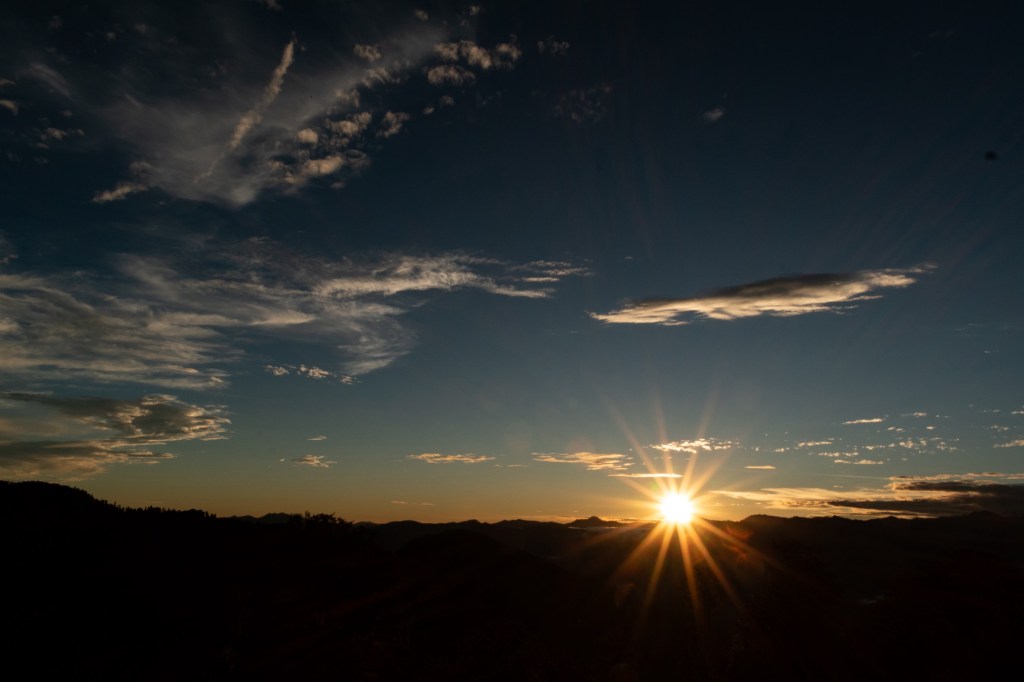
    I too climbed down back from Chandrashila to Chopta by about 3 pm. I packed my bags, had food, and was about to leave when the weather suddenly cleared up. All the surrounding peaks suddenly became visible, the sun came up bright, and mares became uncontrollable and started running on the meadows in excitement. It was surprising, how suddenly the weather changed. I stayed there till sunset. Finally, I had a view of much famed Chopta Sunset !

    Sunset amid clear blue skies

    Pages: 1 2

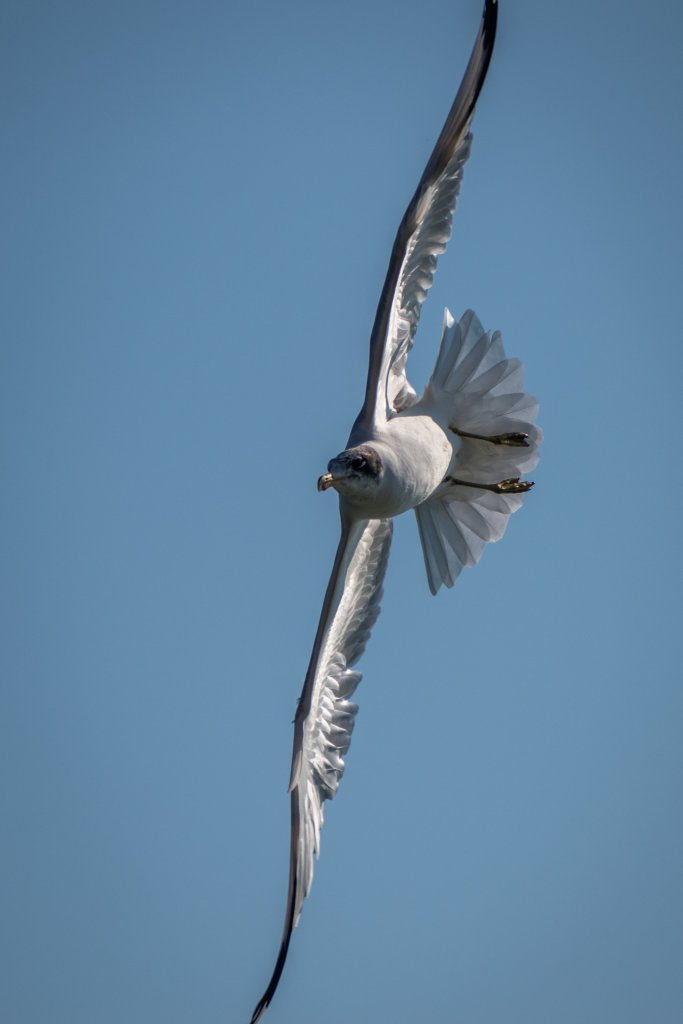
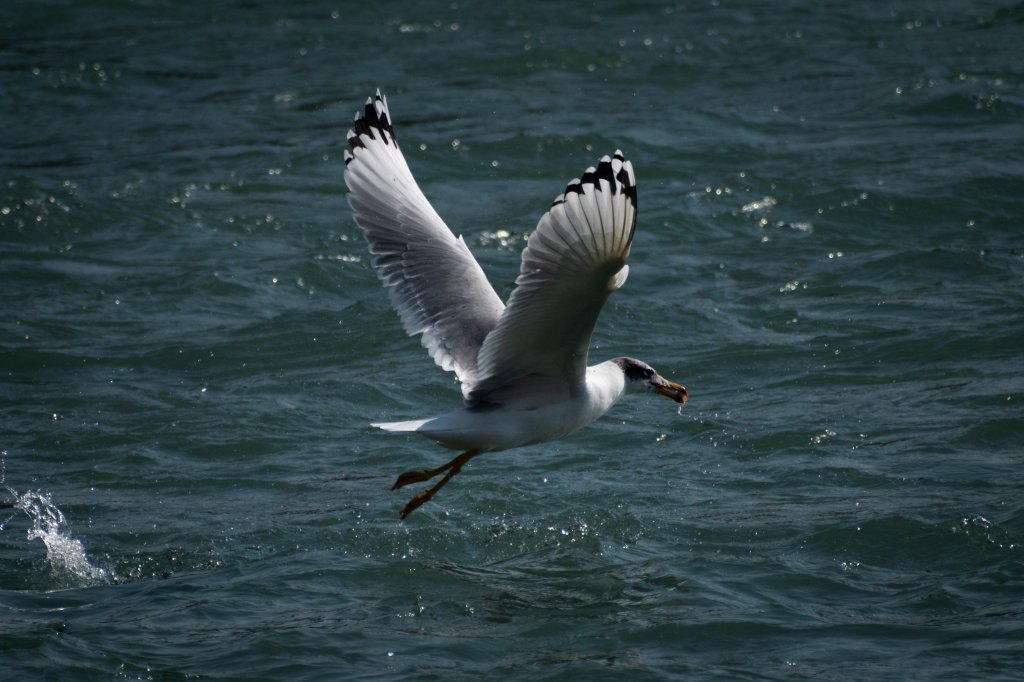
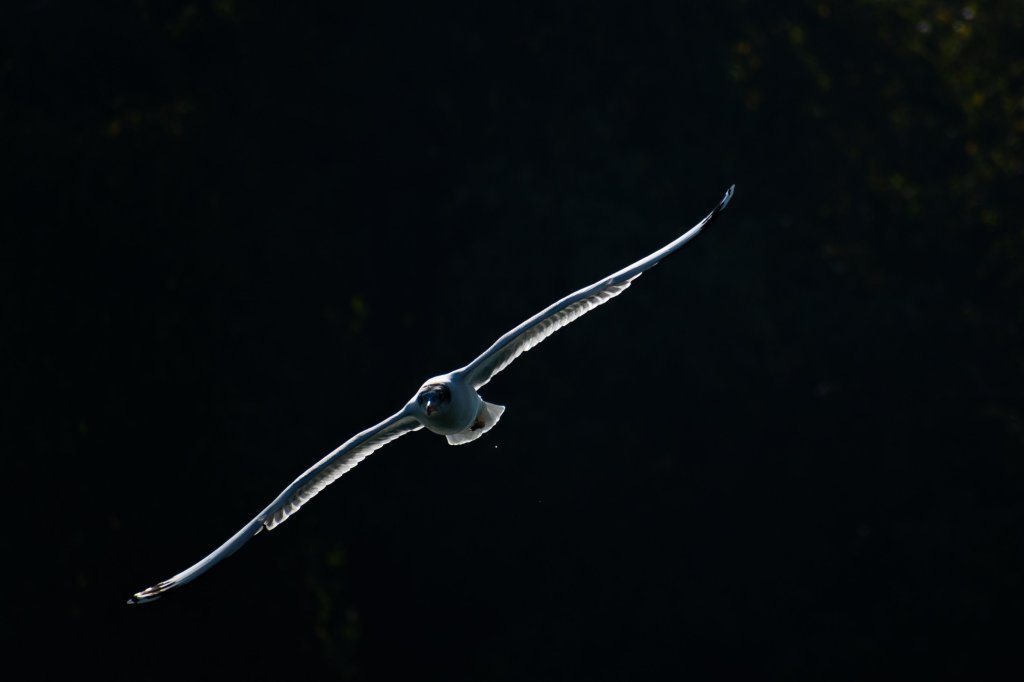
  • Pallas’s Gull

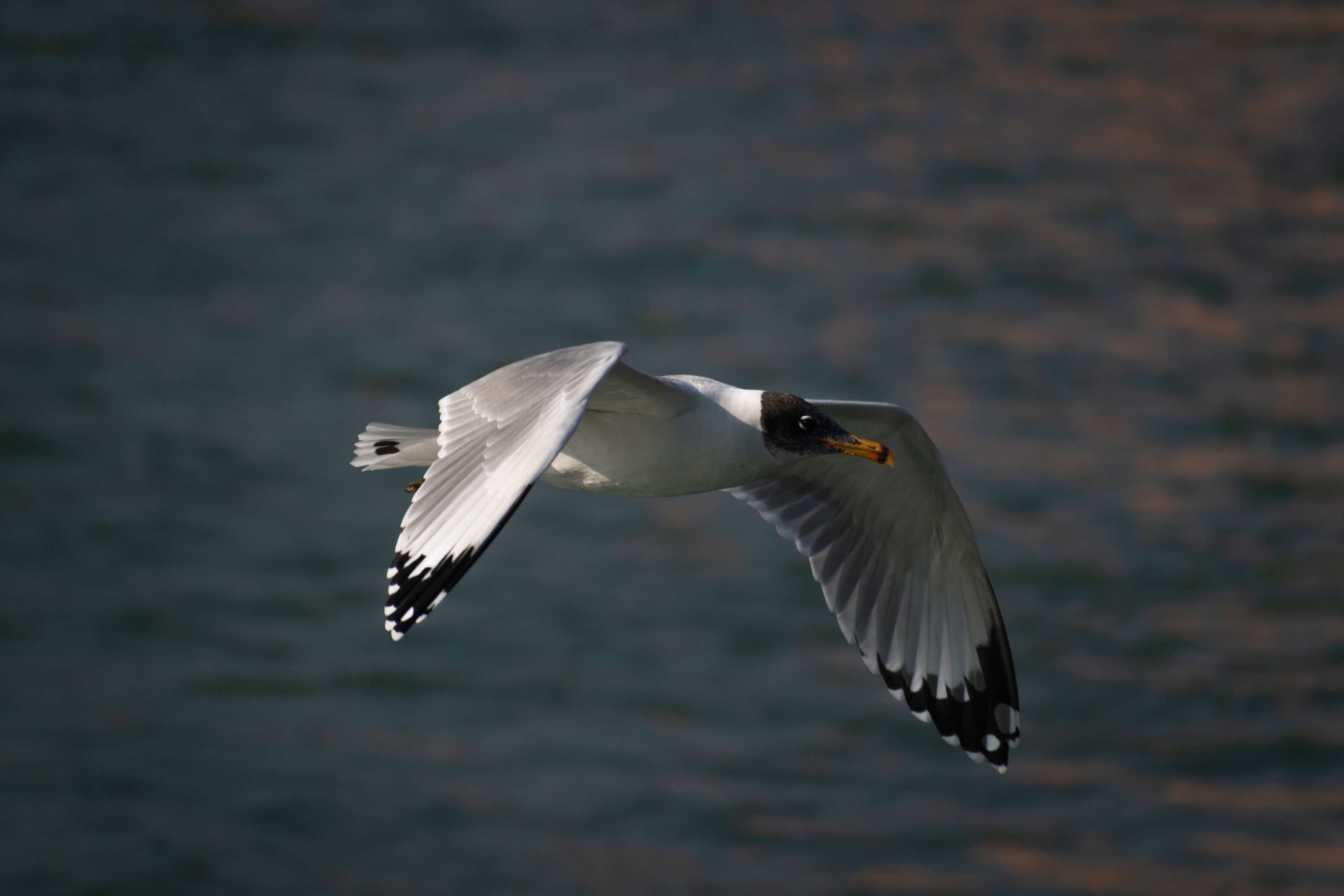
    (photographed in Haridwar)


    Unique flight

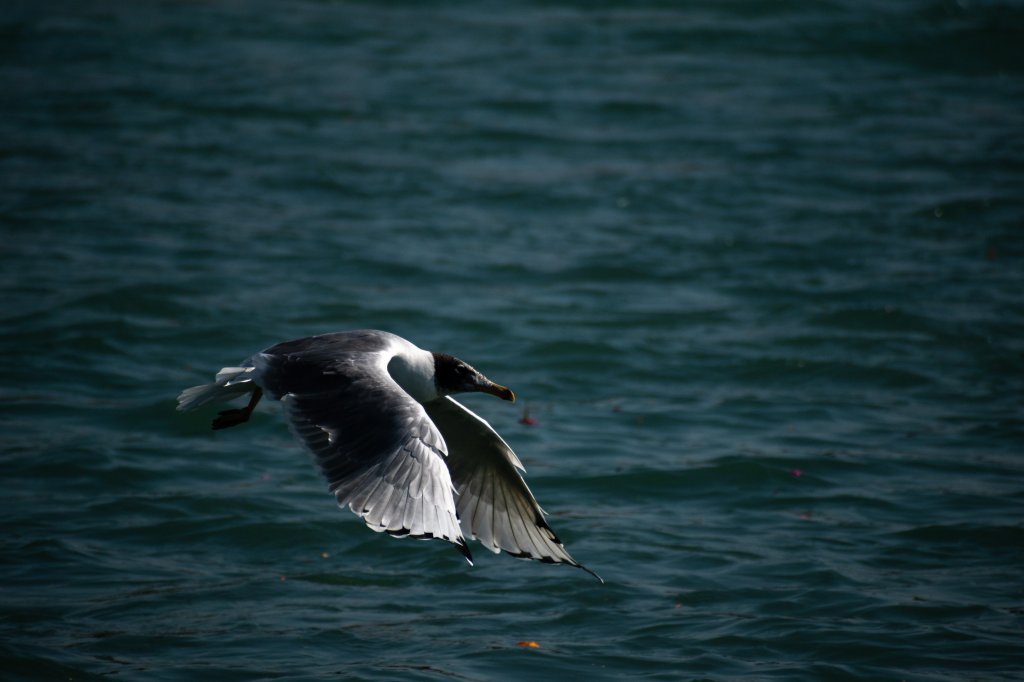
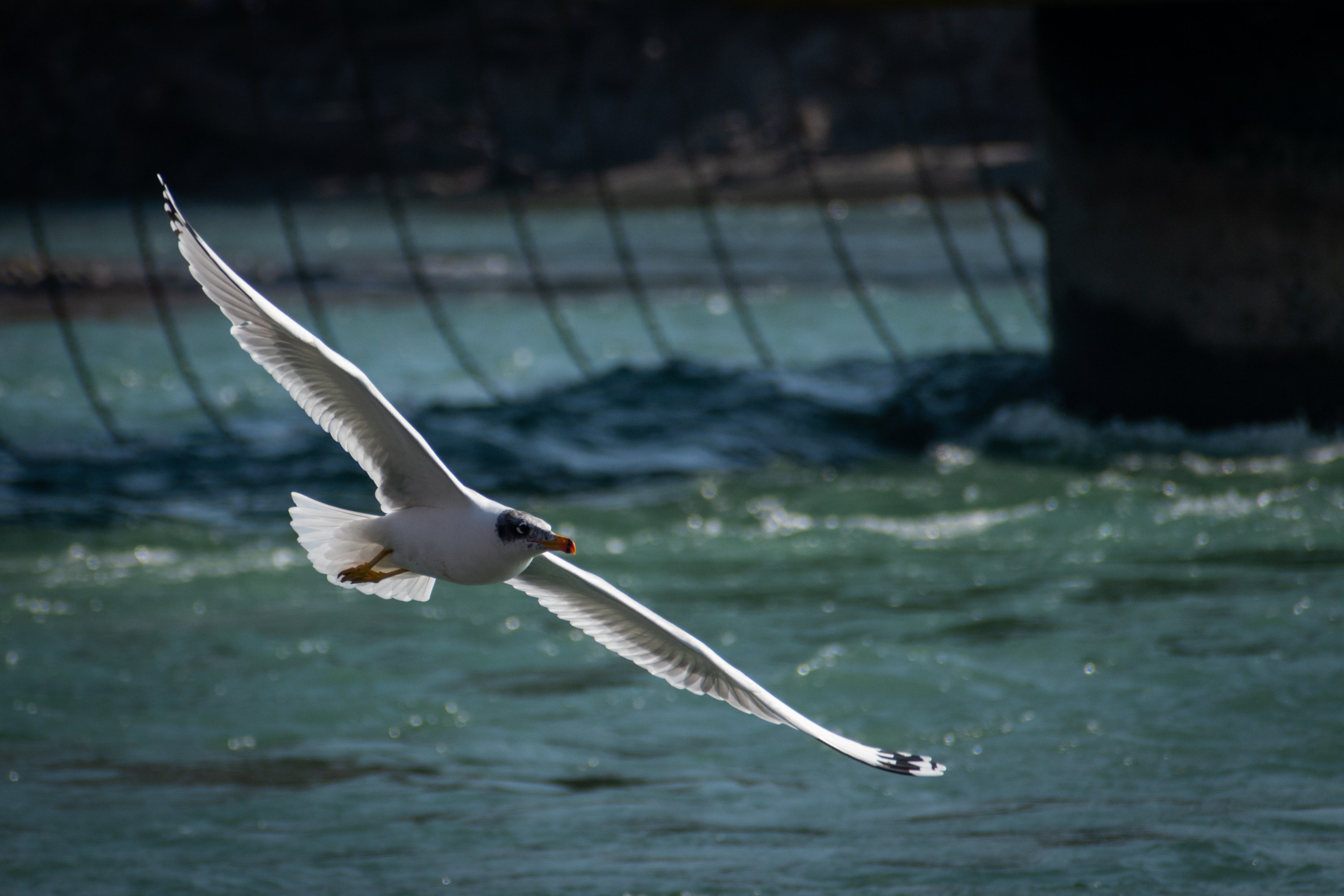
    The way these birds were gliding over Hardiwar bridge caught my eye. The glide was slow like a parachute sailing through the air. For a second, I thought they might be an eagle or a hawk, as the size was similar. But there drift in the air was much slower.

    As I moved closer, I could see the birds were different. In one instance, they were moving near to the water, and in other they lifted up to the top of the bridge. The rapid rise in height with so much grace was rather suprising.

    Hunt begins

    In the moments that follow, the hunt begins. 

    The near vertical maneuver

    These birds in a group of 4-5 individuals, were particularly interested in a slower water area. Anything small and living, which could fit in their beak, was picked up from the water.

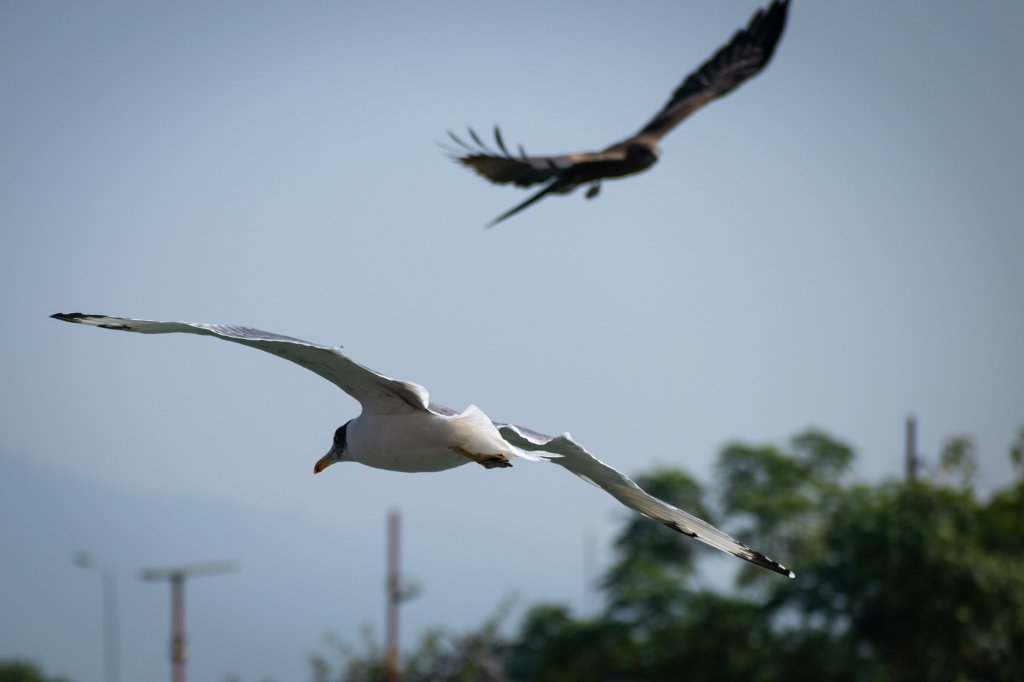
    Eagles intrude

    The birds succeeded so well, that the party drew the local resident eagles. Soon the eagles in a group of 3-4 mobbed them and intimidated the gulls to move away .

    Having eliminated competition, the eagles began to hunt for themselves. But they weren’t that successful, as they lacked the water adaptations of the gull. Neither they had webbed feats like gull nor their wings were waterproof, so they couldn’t risk getting wet while hunting.

    Gull’s returned

    Shortly the eagles lost the interest and moved on. The gulls soon returned, and I could sense their eagerness, as it was their favourite hunting spot.


    Later I learned (from Wikipedia) that these birds are migratory, with India being their wintering ground. The fact which somehow increased my respect for them.

  • Hope

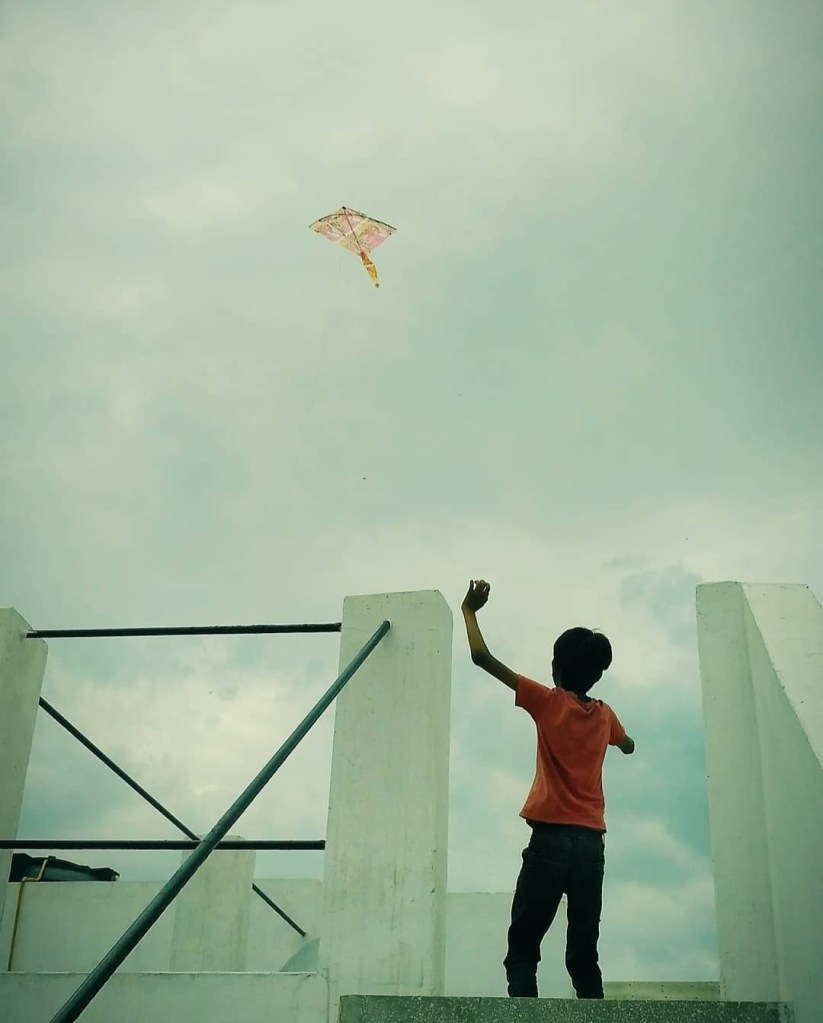
    Little Sailors, trying to catch the wind.
    After days of struggle with the kite, the kids finally succeeded, thanks to the favourable winds.
    I have been seeing them for days now.ย  The kids with all their energy put the kite in the air, tried to do all their maneuvers with the thread, but still the kite came crashing down. Bit frustrating it was, as in their imagination the kite should be flying high in the air, but in reality it is lying close to them. They kept trying, vowing to stay till the last light of setting sun. But unsuccessful, they wrapped up for the day, claiming that it was because of the stagnant wind their kite couldn’t succeed.
    The spark again ignites in them the next evening. Hoping for the best, they are back again with their sails.
    Day after Day, trying, their kite finally succeeded. This time as the wind blew and the sailors had their experience, the kite was high in the air. The happiness sparkled in the eyes and the Children thenย  thoroughly enjoyed and had their fun with the kite.
    The picture is of the day, they succeeded ๐Ÿ™‚

Is this your new site? Log in to activate admin features and dismiss this message
Log In