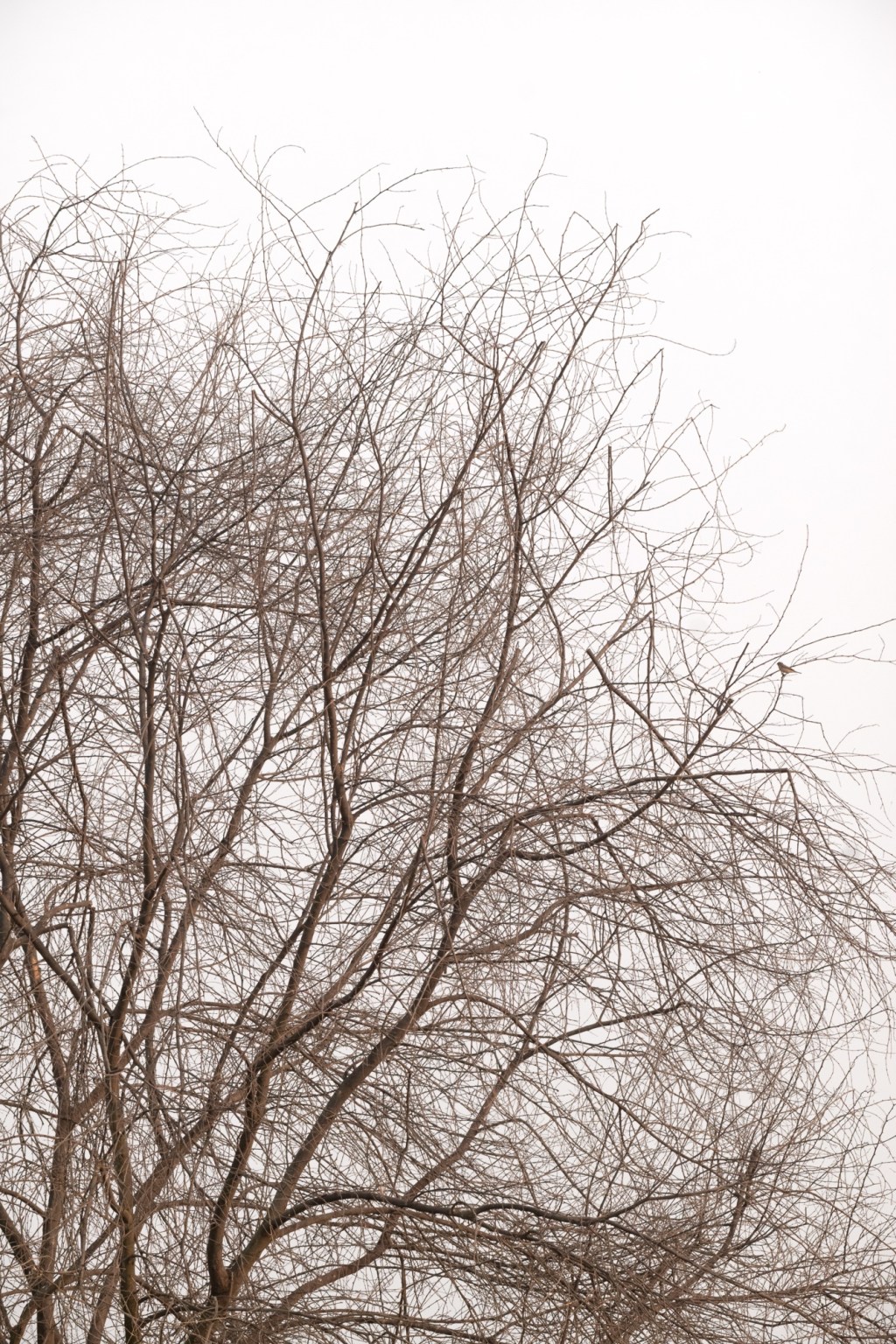
We are taught to look away when something dies. Nature does not.
When something dies, we often assume that it has lost its meaning and relevance. That is what death is supposed to be about. Nature, however, sees things differently.
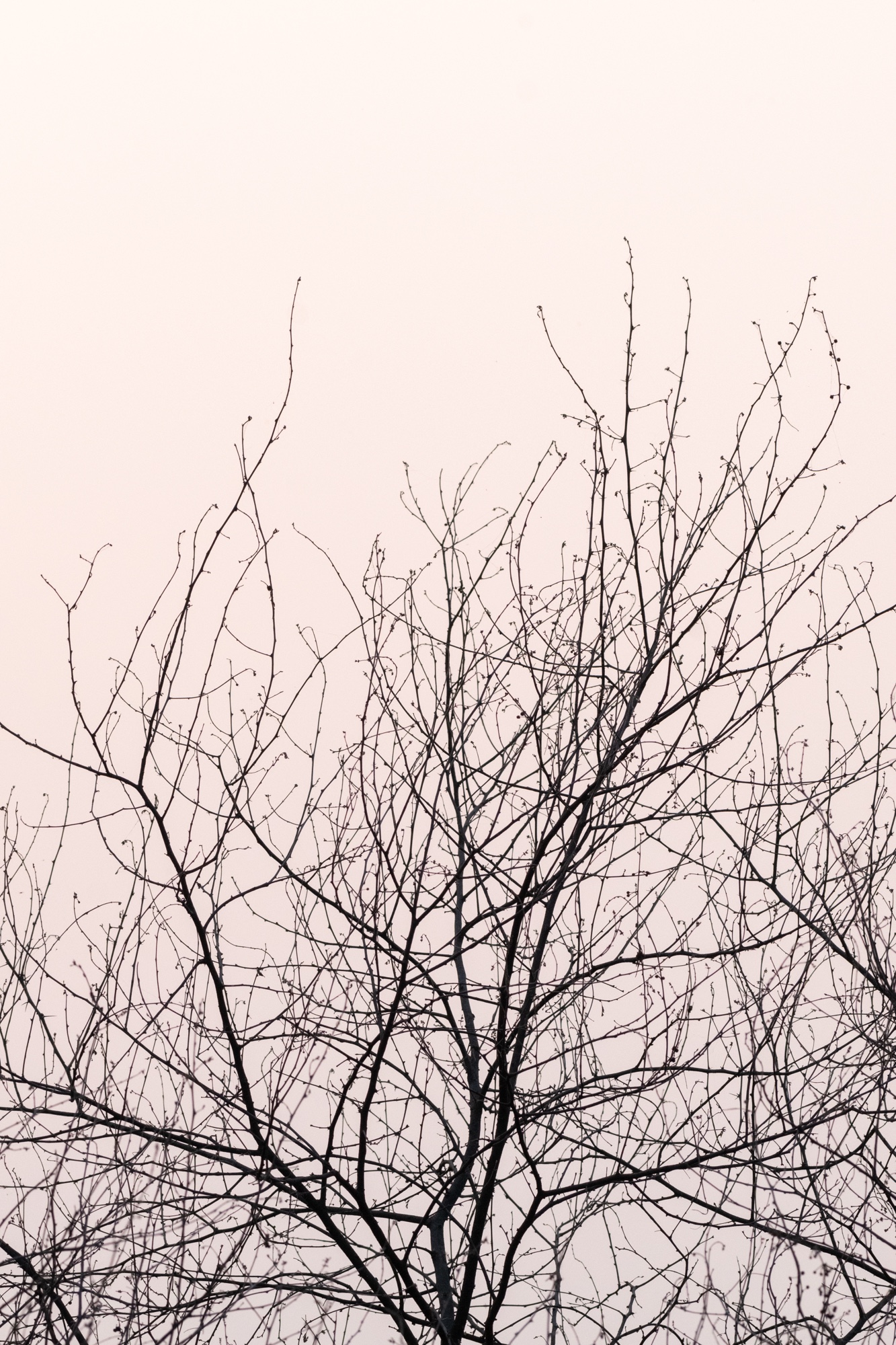
Walking through the Bharatpur wetlands, one can notice stretches of grassland surrounding the water. Among the green trees, dead ones stood apart in silent contrast. They once sustained life; now they wait calmly seemingly devoid of it, until a bird comes and settles on their bare branches.
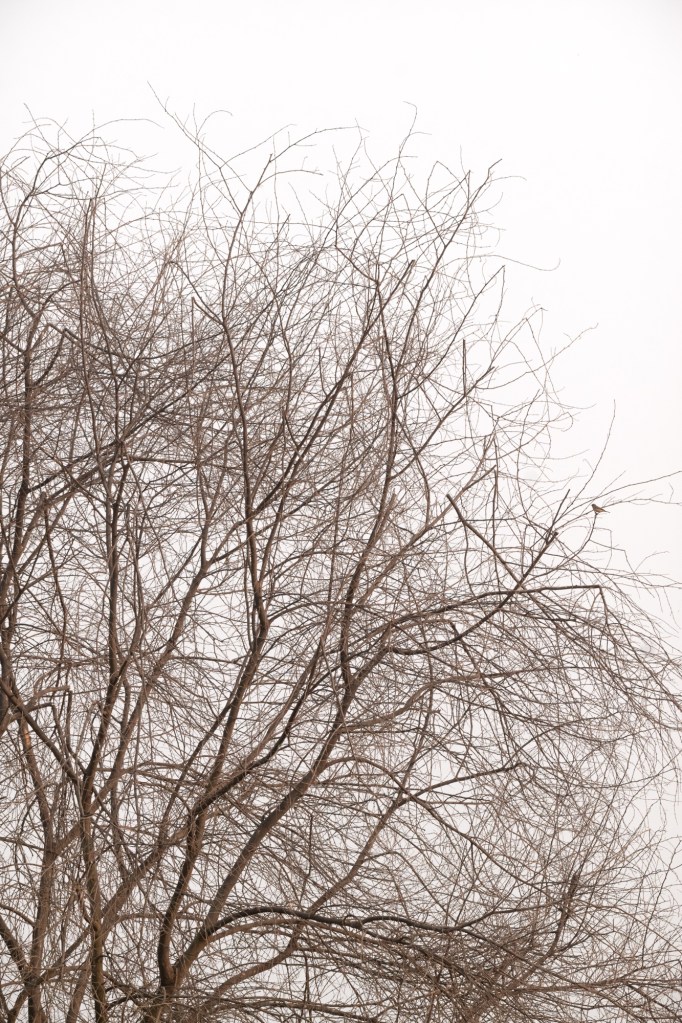
Dead trees possess a unique kind of beauty. Their large branches rise upward, shaped by years of reaching for sunlight, while smaller secondary branches spread outward, once holding dense foliage for photosynthesis.What remains now is a bare mesh of branches exposed to the sky.
Yet, if we look more closely, these trees have a purpose beyond aesthetics. Nature continues to keep them standing alongside the green ones.
Supporting Life Even in Death
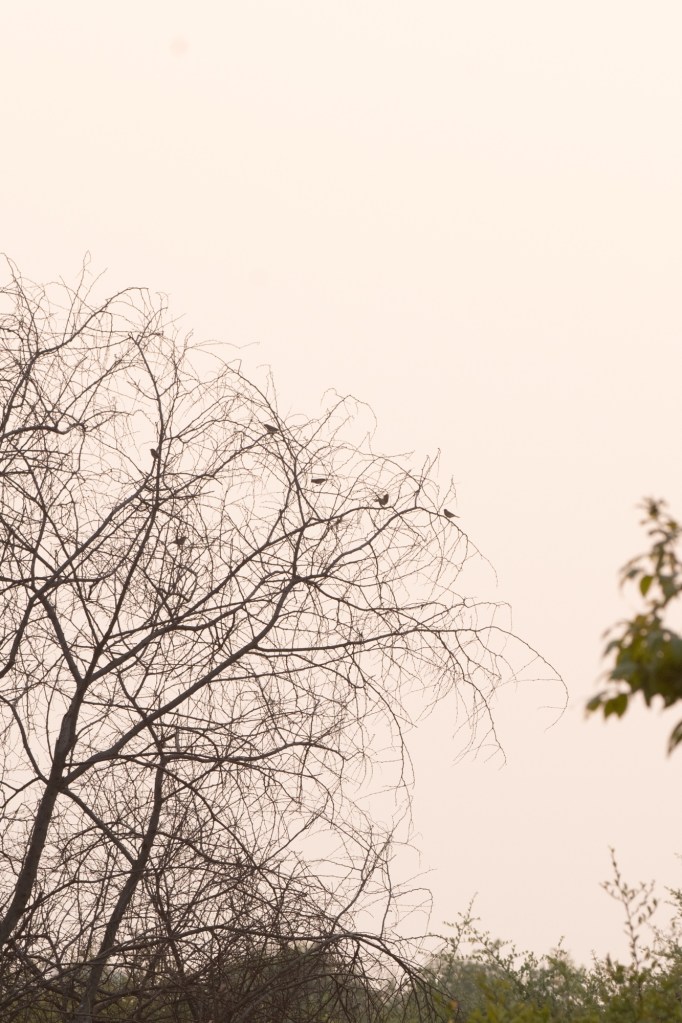
Small birds, find dead trees as good perching sites. During dawn or dusk, birds arrive to rest and play on these branches. The tree provide them protection through it’s branches, gives them clear visibility, and a comfortable resting place.
The birds, in turn, do not leave the tree empty, and fill it with their plays and their songs. As if they don’t see death of tree as sorrow, but as a continuation of life.
Different Birds, Different Uses
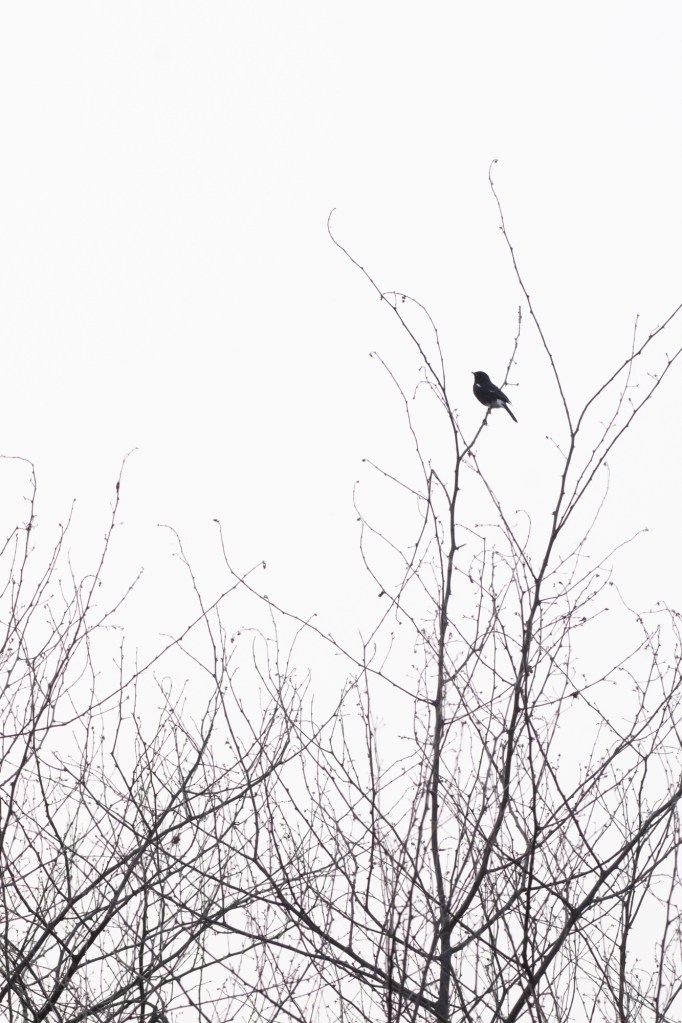
Some birds, particularly insect-eaters like robins, use dead trees as perching sites, as they provide good visibility, for the bird to fly and catch insects mid air.
While the others, like Sunbirds, use to pause and perch briefly, while they scan for next flowering plants to hop on.
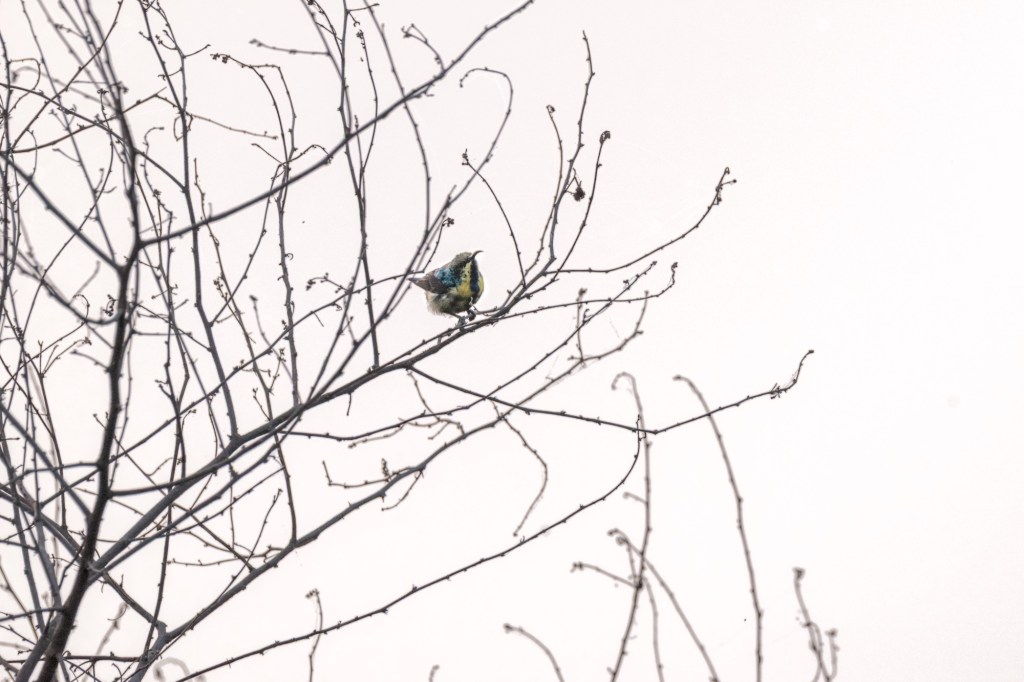
Sunbirds are active nectar feeders, constantly on the move and rarely sit still. Dead trees provide them with a place to pause and rest briefly before moving on to the next cluster of flowers.
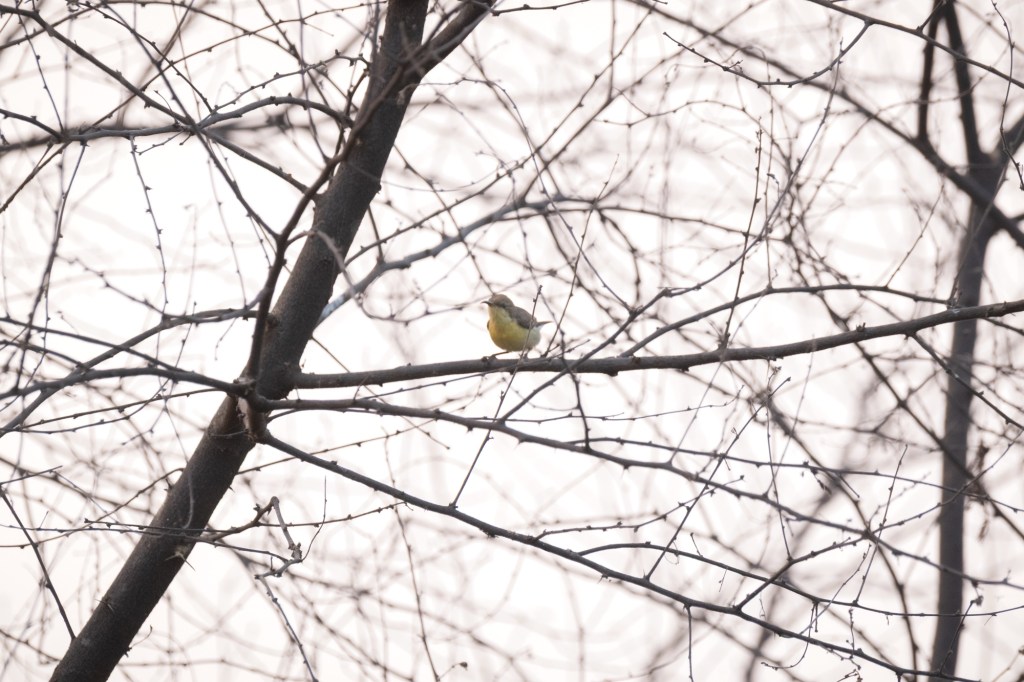
Warblers, on the other hand, often use the lower branches of dead trees to move back into nearby bushes, where they forage for insects
The large bushes can be disorienting, and here the dead tree acts as a reference point, helping the bird reorient itself.
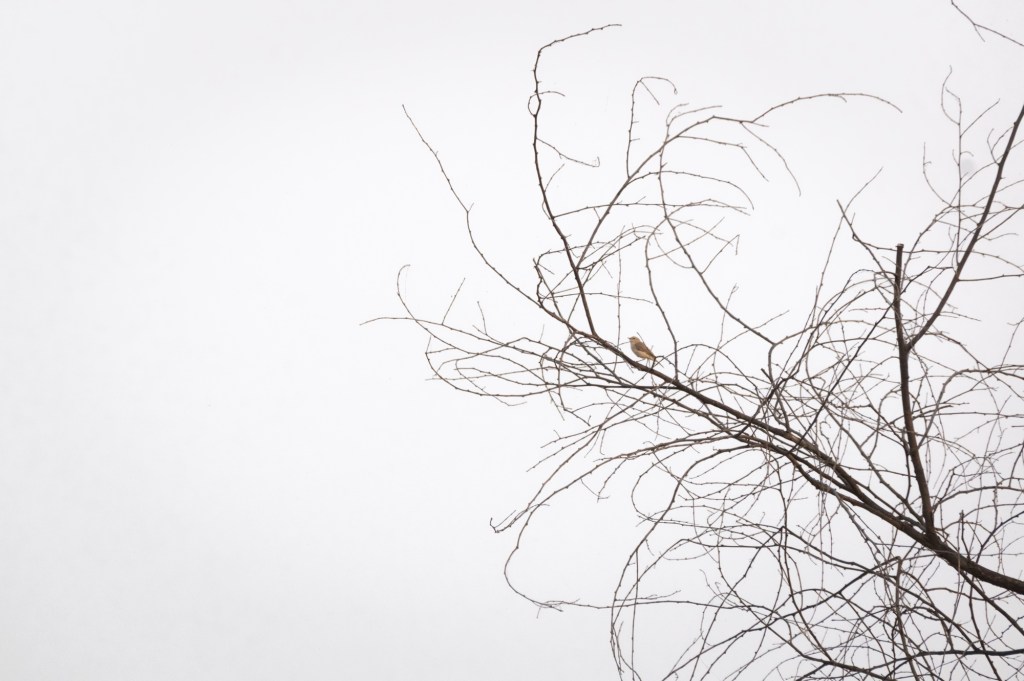
Doves are cautious birds, alert to threats from both land and sky. They prefer perching on dead trees because the height offers a clear view and an easy escape.
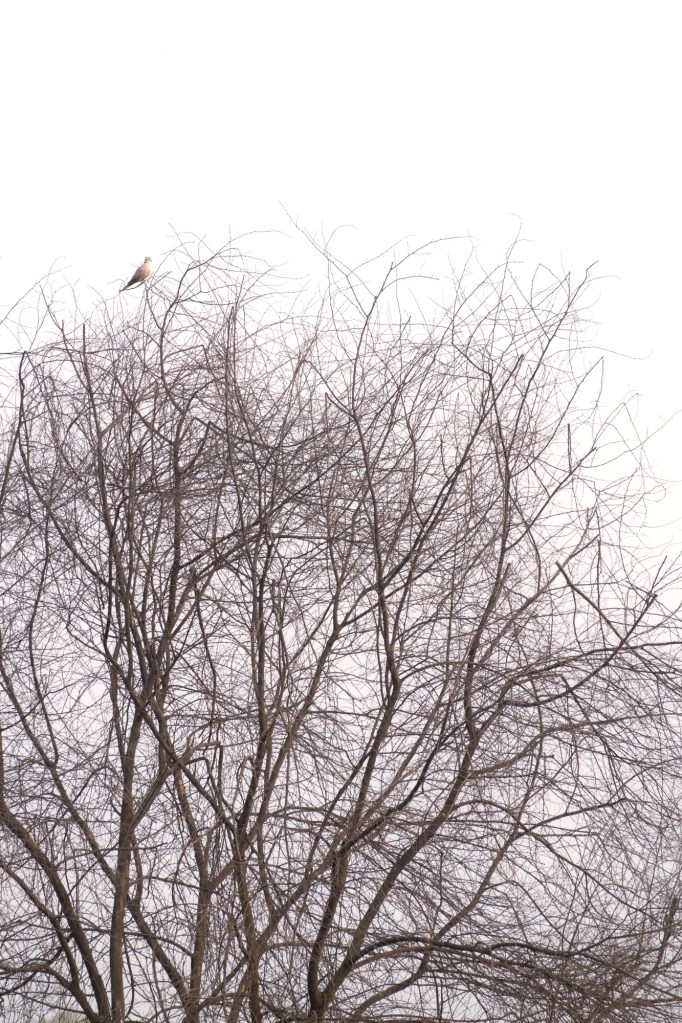
For some birds, dead trees are not just perches but homes. As with this owlet.
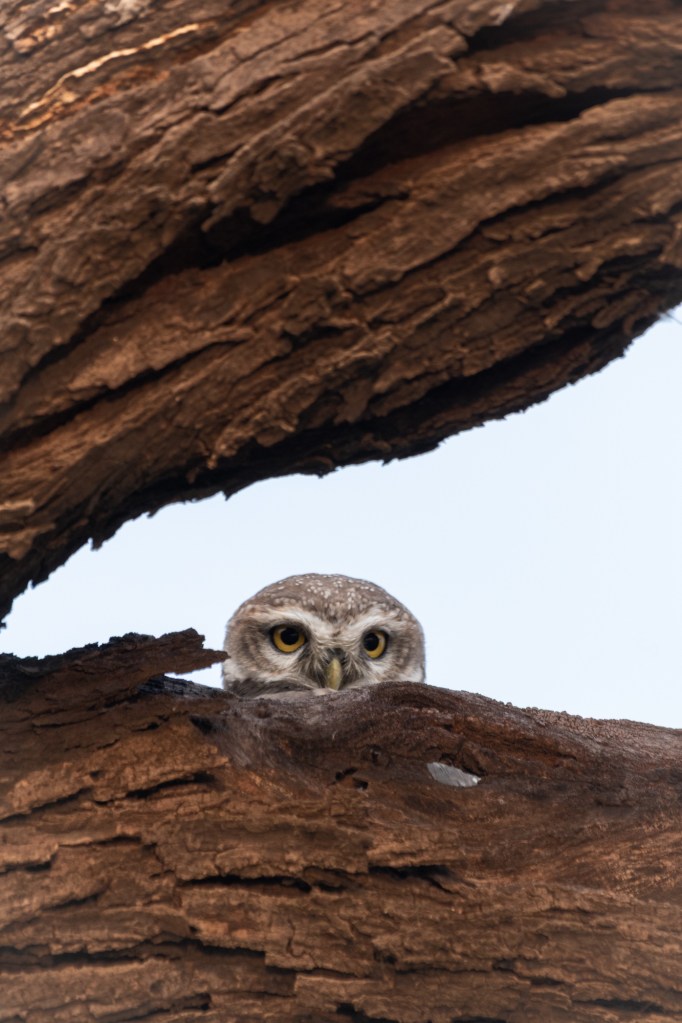
Dead trees provide natural hollows for the owlets to hide and rest during day time, as they are nocturnal hunters. Only to emerge at night, listening silently for the rodents and insects. Then also, they prefer perching on dead trees, for less obstruction and silent flights.
A Human Perspective
As humans, we often remove things that appear useless, rarely thinking about the role they may still play. Saying dead trees should remain because birds need them is a sound ecological argument.
But it also raises a deeper question: how do we define irrelevance?
In nature, everything, dead or alive, has a place. We tend to value things by their usefulness, and when we cannot see that use, we stop noticing them.Yet these overlooked things continue to exist and hold value in nature. When we say dead trees seem unimportant, what we really mean is that we do not yet know how to appreciate them.
Perhaps irrelevance is not a quality of things themselves, but a limitation of our own understanding , and a good place to begin is by seeing them the way birds do: open-minded and unjudging.


 Curious Little
Leave a comment