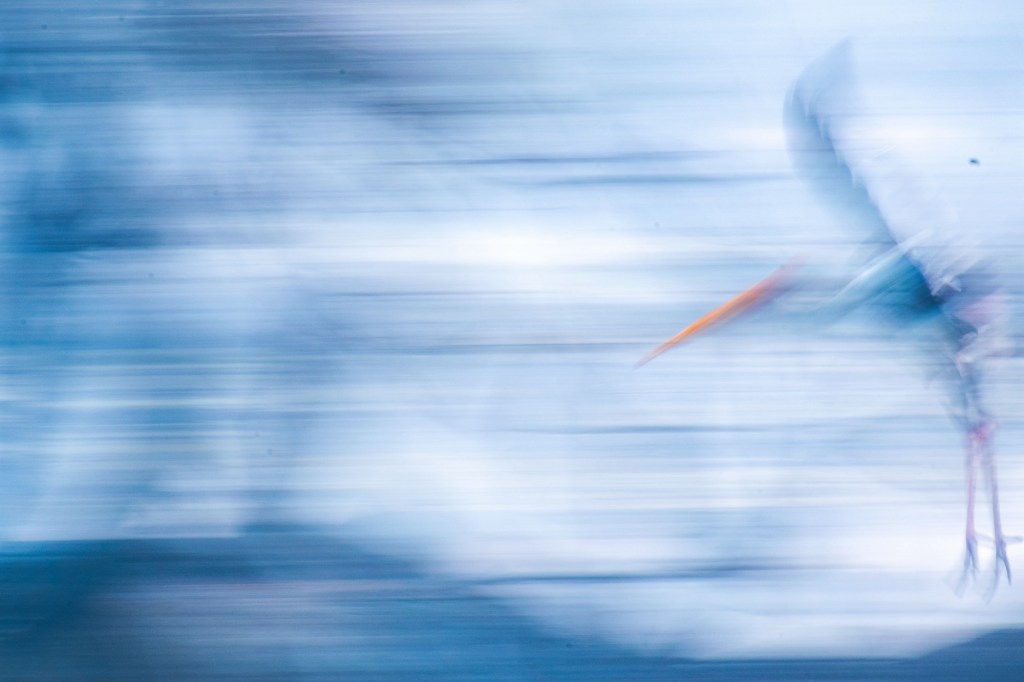
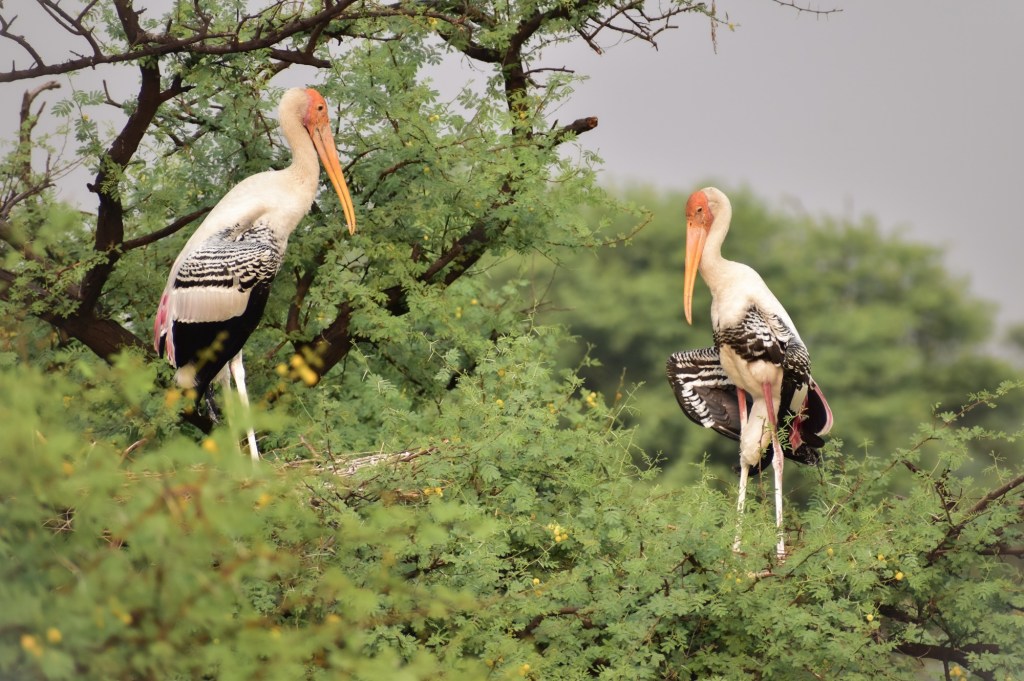
Painted storks are human sized, colourful storks. They are among the first species to catch your eyes, if you happen to visit a wetland. These photos take a deep dive into their live below the surface
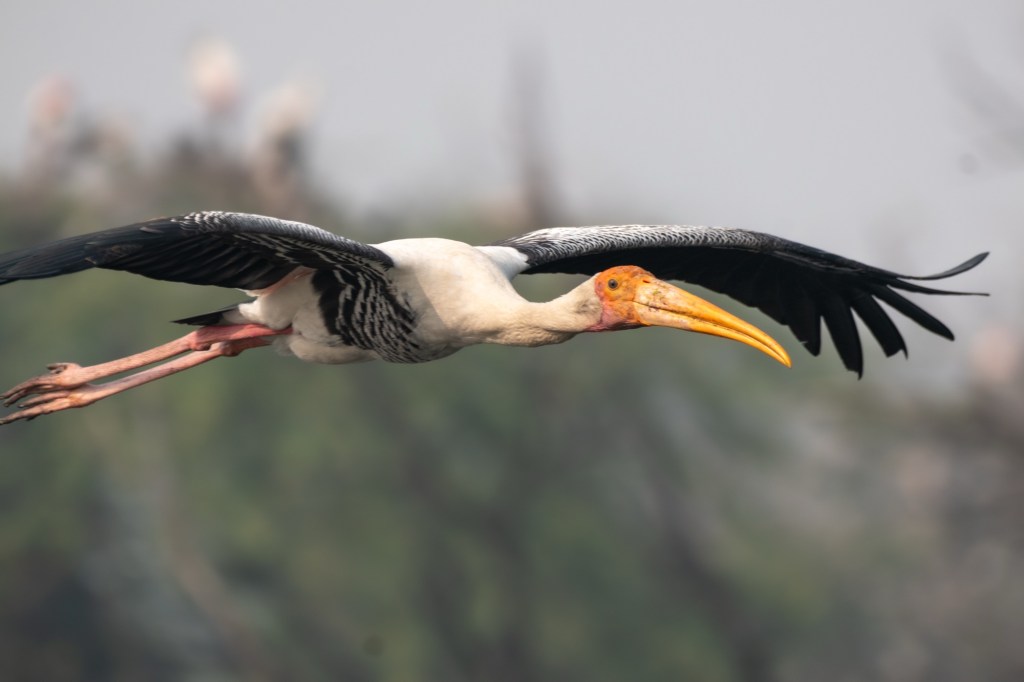
Flying Strong
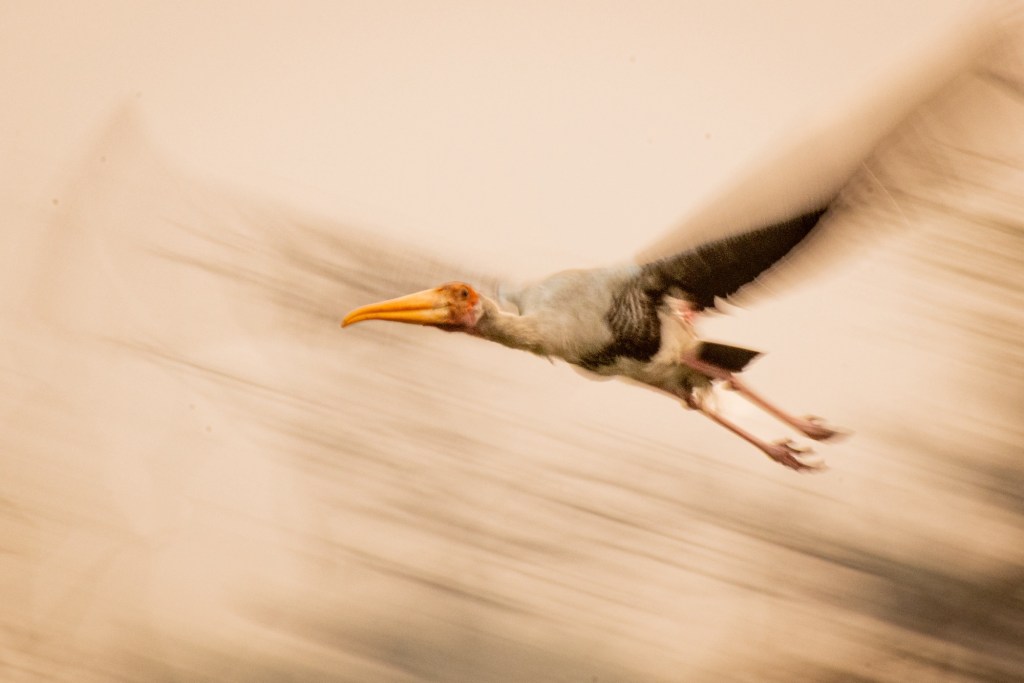
The storks have to make a lot of flights in a day, foraging , scouting wetlands and returning back to feed their growing chicks. The chicks are born blind and rely on parents to feed them food. Their ever growing hunger keep both the parents on toes to find them food. The storks, have adopted biparenting roles to meet these demands.
The Landing Challenge
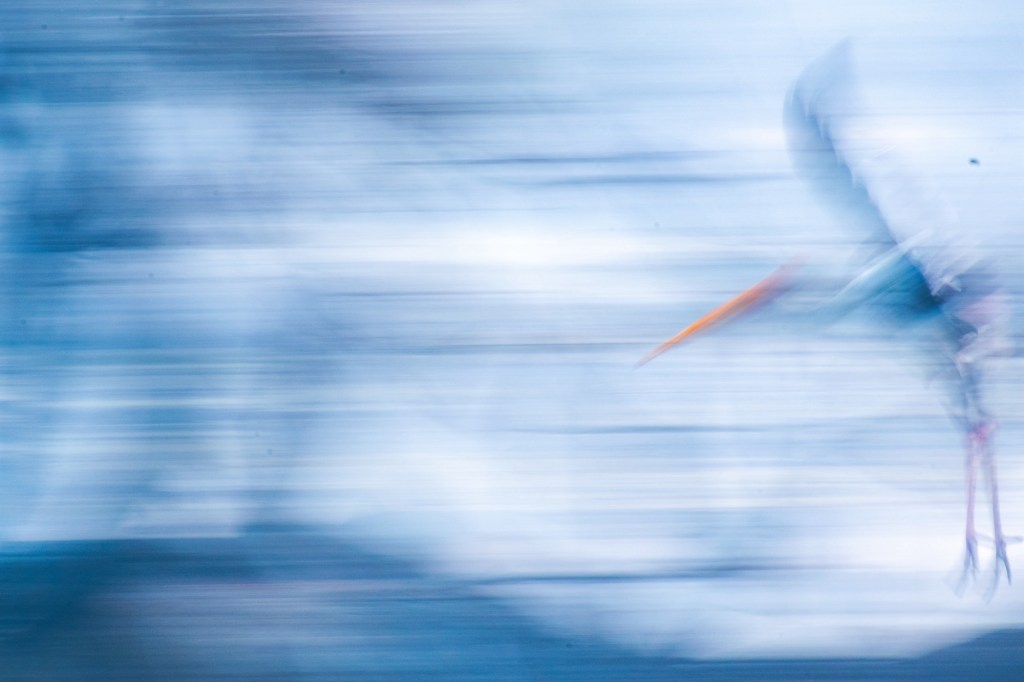
Once the bird has dived from its tall nesting tree and picked up speed through flapping and short glides, it must slow down to perch safely without breaking the delicate branch beneath. Along with strong wings to support their heavy bodies, this moment demands precise timing — the bird must drop its legs and tilt its body upright to create drag and brake quickly. It’s a skill they master while growing up, after many attempts, corrections, and small errors.
Parental Duty
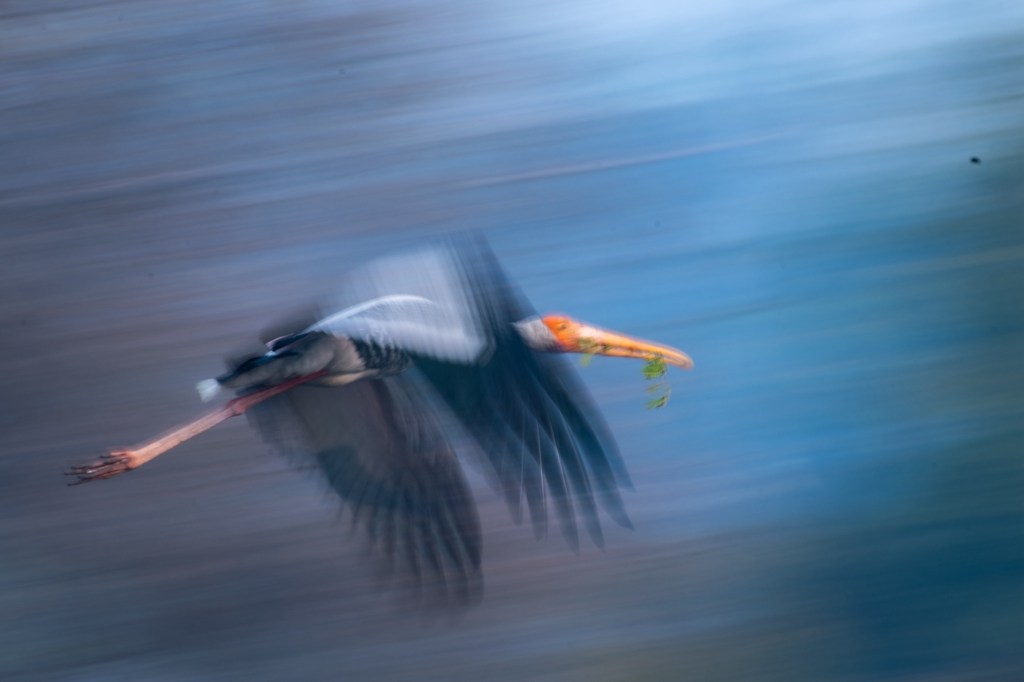
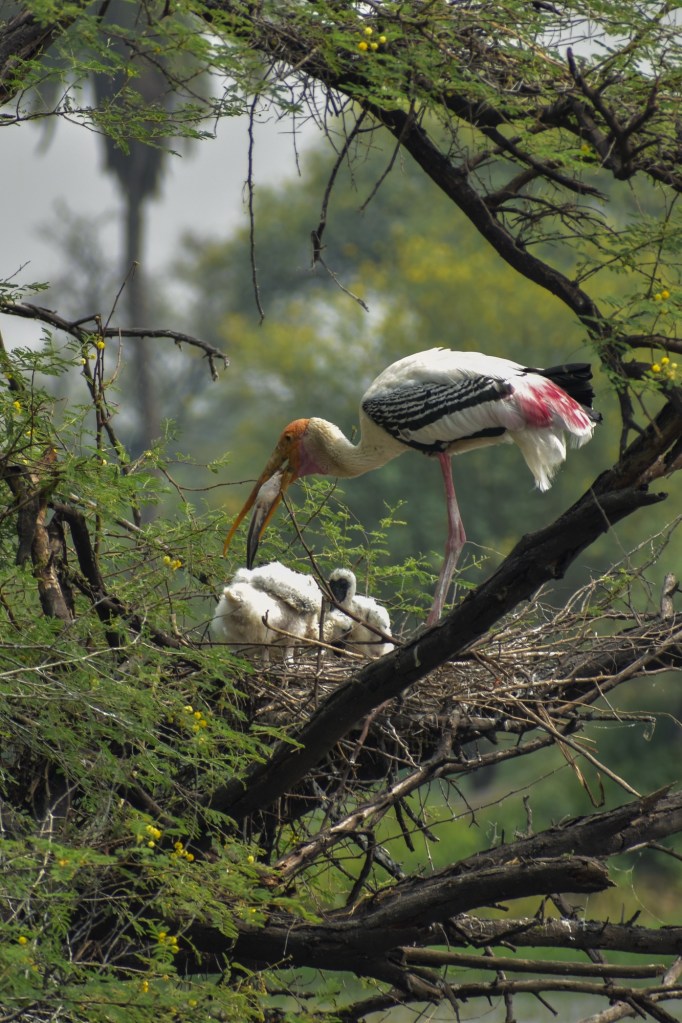
Surprising as it may sound, the stork makes many to-and-fro flights to bring fresh branches and strengthen the nest — often just as frequently, or even more, than it brings fish. It must do this to prevent chicks from falling, a risk that is almost always fatal. Fallen chicks cannot climb back, and parents rarely feed them on the ground, leaving them weak and vulnerable to predators.
Juvenile Learning to Fly
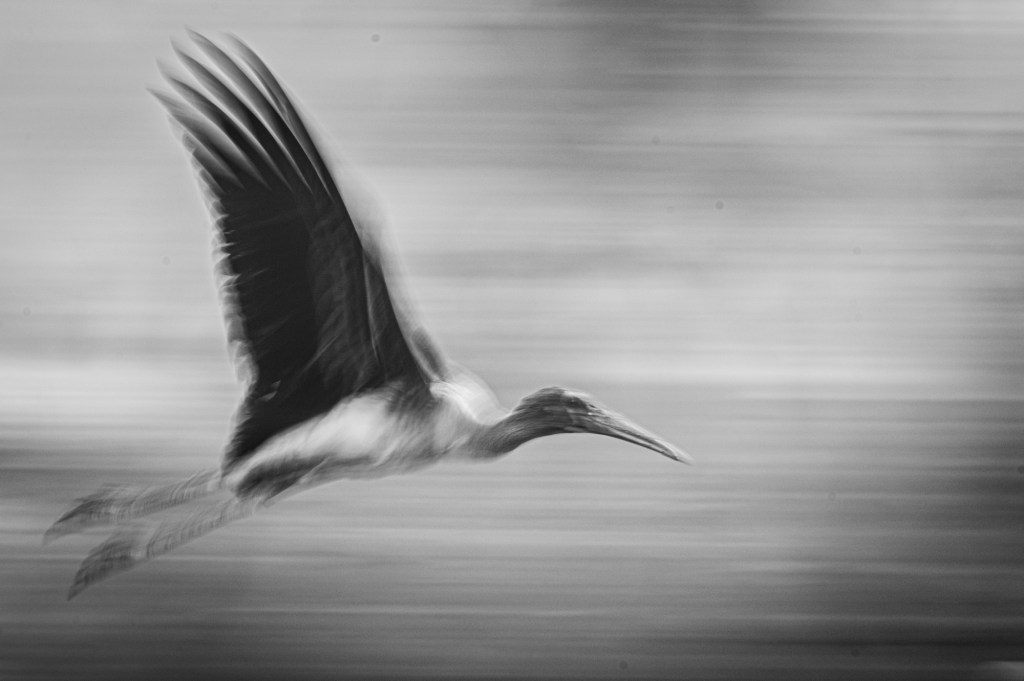
Flying is an important skill a juvenile must learn before it can leave its parents’ nest. As chicks grow into juveniles, their wings become strong enough for small jumps between branches, but true independence begins with their first real flights. They take this step in faith — jumping, flapping, and making short, shaky circles around the nest. Juveniles often drop their legs long before landing, a natural part of learning as they adjust to wind, height, and distance. With each attempt, they gain steadiness and confidence, slowly preparing for the day they finally leave the nest
Steadier in Flight
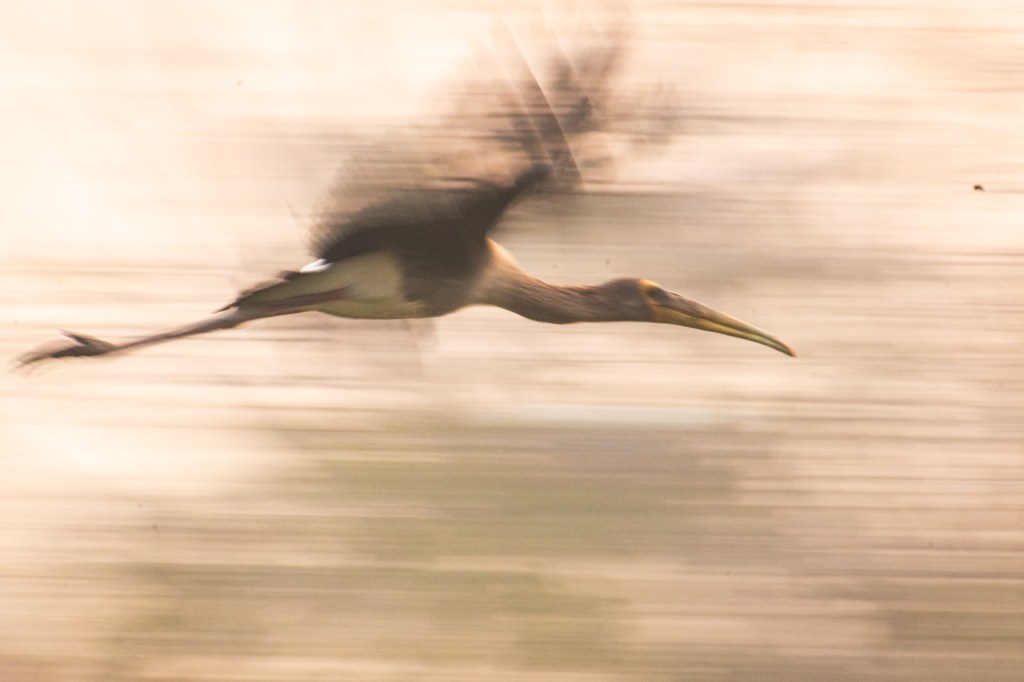
As the juveniles become steadier in flight, they promote themselves to a new found juvenile colony on nearby trees, away from their parent nests.Their faces carry a new sense of independence, and their calls for the adults become less frequent. The next challenge is learning to fish — a skill for which they still depend on their parents. Adult storks hunt by sweeping their open bill through shallow water and snapping it shut the moment a fish touches it, a technique that demands patience and quick reflexes. Juveniles, meanwhile, miss far more fish than they catch, slowly improving with each attempt.
Gentle Arrival
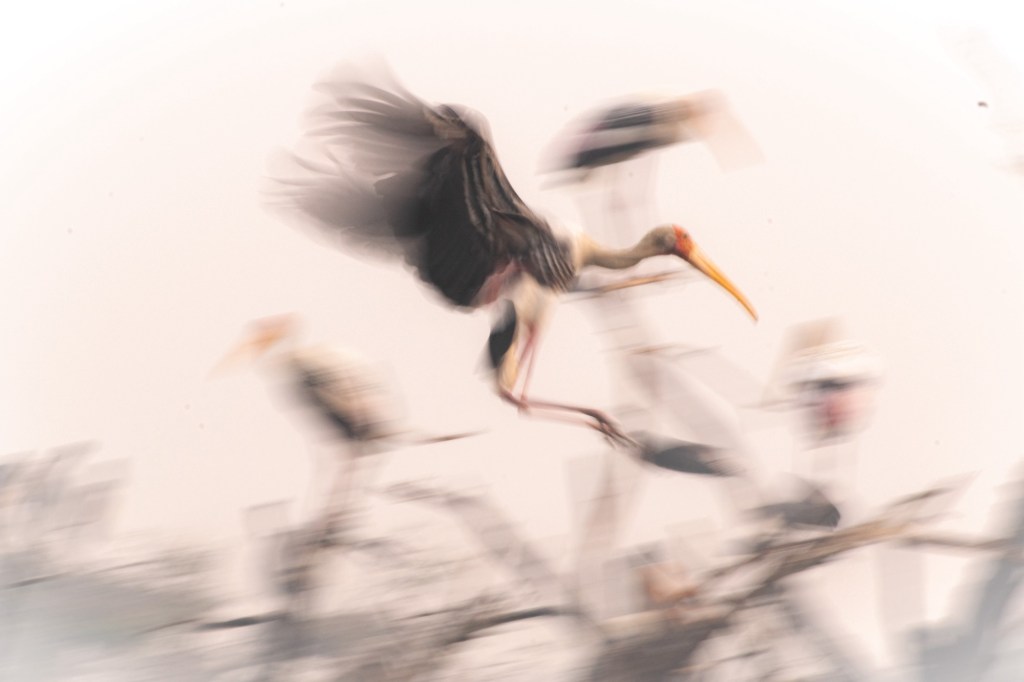
A stork descends onto a tree in its nesting colony, wings beating in soft blur. Around it, other storks form a gentle, panned backdrop — a glimpse of the communal life that young storks will eventually become part of. These colonies, especially during the winter breeding season, provide safety from predators, guidance in foraging, and a sense of belonging. Once breeding concludes, storks disperse to a more nomadic life during summer when wetlands shrink, only to return to their “breeding cities” in the following winter.
The unlikely resemblance of the live of storks to us, makes us wonder whether we are so different? Or, just like storks our lives also revolve around parentage, growth and finding home in the cities !
Gallery
 Curious Little
Leave a comment